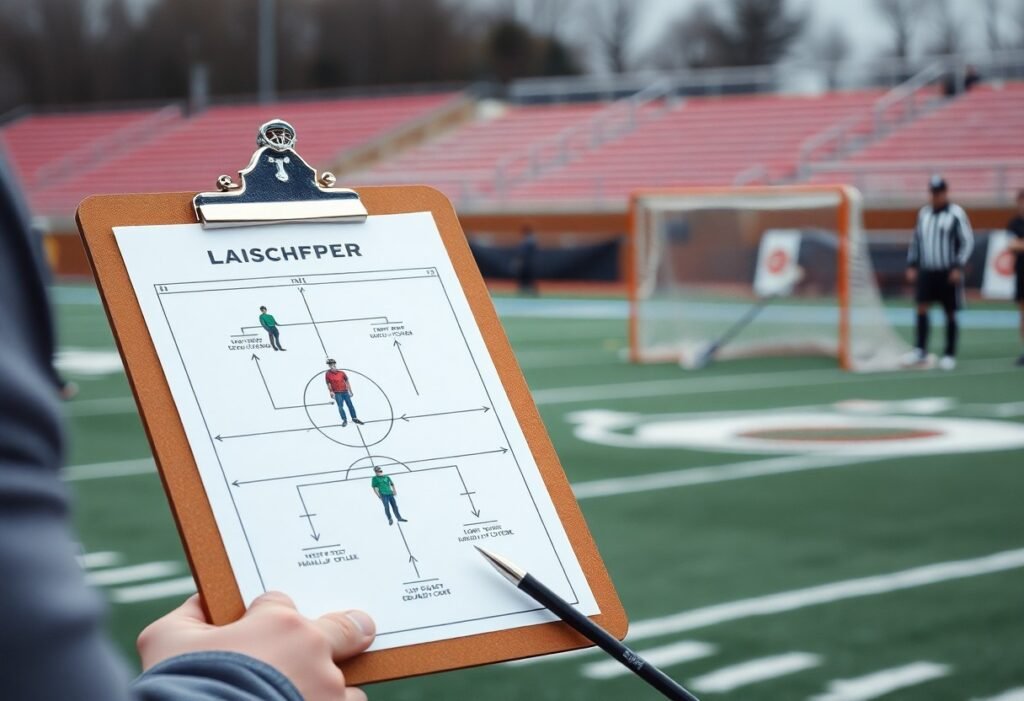

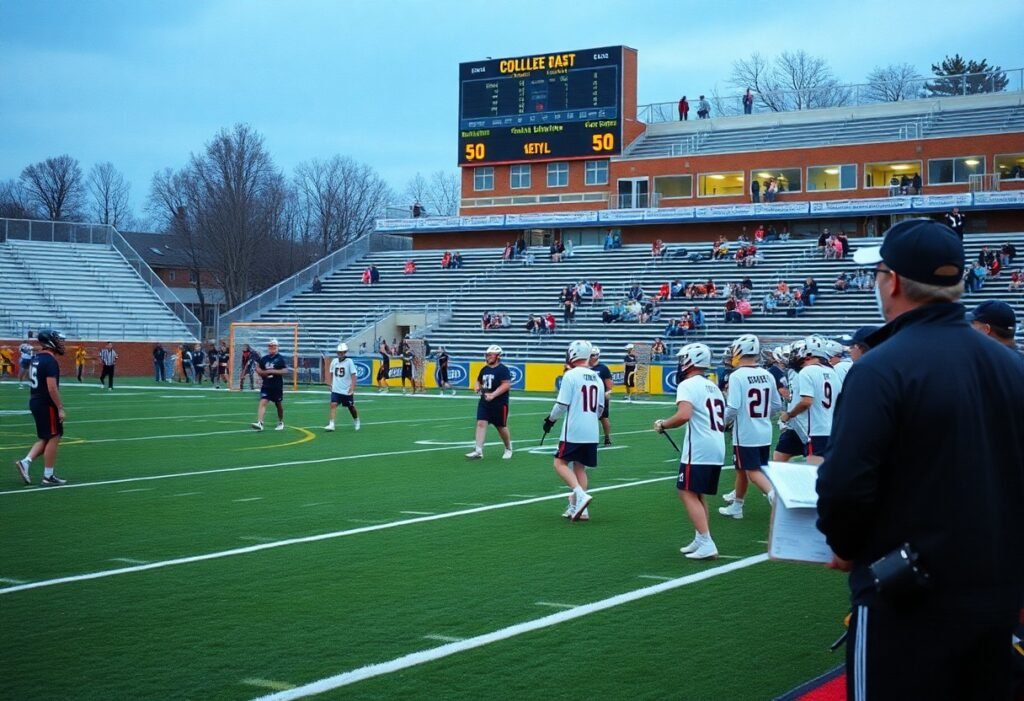
Education has propelled lacrosse from a regional pastime into a nationwide scholastic force, and you can track how expanded programs reshape athletic pathways; as a player or fan you witness rapid participation growth, increased media attention, and new coaching resources, but you must also weigh injury risks like concussions and high-contact play alongside the sport’s benefits, including expanded scholarship opportunities and stronger community engagement that boost your team’s competitiveness and student development.
Key Takeaways:
- Rapid participation growth and geographic spread: lacrosse has expanded beyond Northeast roots into Midwest, South, and West, with rising youth and high school teams feeding college programs.
- Institutional investment and competitive pathways: more high schools and colleges add varsity programs, scholarships, and dedicated facilities, increasing recruiting intensity and athlete development pipelines.
- Cultural and media momentum: growing media coverage, professional leagues, and diverse player demographics are raising the sport’s profile and creating clearer career and community opportunities.
The History of Lacrosse in America
You trace modern lacrosse from Indigenous traditions through 19th-century codification: the Haudenosaunee played large-scale games called baggataway/tewaarathon, William George Beers began standardizing rules in the 1860s, and lacrosse reached the Olympic stage in 1904 and 1908; since then, institutional adoption at colleges and high schools has been driven by equipment, rule changes, and organized championships that reshaped how you see the sport today.
Origins of the Game
You encounter lacrosse first as an Indigenous institution across the Eastern Woodlands, where matches united communities for spiritual, diplomatic, and training purposes; games sometimes involved hundreds of players over fields stretching miles, fostering endurance and skill, and those traditional forms – especially among the Haudenosaunee – directly influenced the stick designs and positional play you still recognize.
Evolution Through the Ages
You watch the game evolve as 19th-century codification, collegiate programs in the late 1800s, and technological shifts – notably mesh pockets and synthetic shafts in the 1970s-80s – accelerated scoring and speed, while rule revisions and protective gear responded to rising concerns about concussions and player safety.
You can pinpoint institutional milestones: the NCAA inaugurated the men’s championship in 1971 and the women’s in 1982, Title IX spurred rapid growth in female participation, and professional outlets like Major League Lacrosse (founded 2001) and the Premier Lacrosse League (launched 2019) created new career paths; as you study these shifts, equipment innovations and rule tweaks repeatedly changed tactics, recruiting, and the pace at which programs-from prep schools to Johns Hopkins and other long-standing powerhouses-develop talent.
The Growth of Lacrosse in High Schools
Expansion into nontraditional states has shifted recruiting and competition: US Lacrosse reports over 825,000 participants nationwide, with a substantial portion coming from newly established high school programs in Texas, California, and Colorado. You see districts adding varsity and junior-varsity teams, private clubs feeding school rosters, and college coaches scouting these emerging hotbeds, which reshapes scholarship pipelines and local athletic budgets.
Increasing Participation Rates
Participation shows sustained momentum, with many state associations reporting double-digit growth in school-based programs; girls’ lacrosse frequently leads that surge. You observe varsity team counts rise by roughly 20-50% in several regions over the past decade, prompting earlier specialization, expanded offseason training, and intensified competition for roster spots.
Impact of Youth Programs
Youth clubs and middle-school leagues are feeding high schools: a growing share-often cited at about one-third-of high school rosters now includes players with organized club experience, so you notice higher technical skill levels and tactical awareness when athletes arrive. That pipeline deepens talent pools but also pressures coaching, programming, and school budgets.
Those youth programs give you targeted skill development, year-round competition, and exposure to college coaches through club tournaments and regional showcases, which can accelerate recruiting. At the same time, increased travel costs, early specialization, and higher injury risk can limit access for lower-income families, so your district’s commitment to affordable, community-based programming determines whether growth remains equitable.
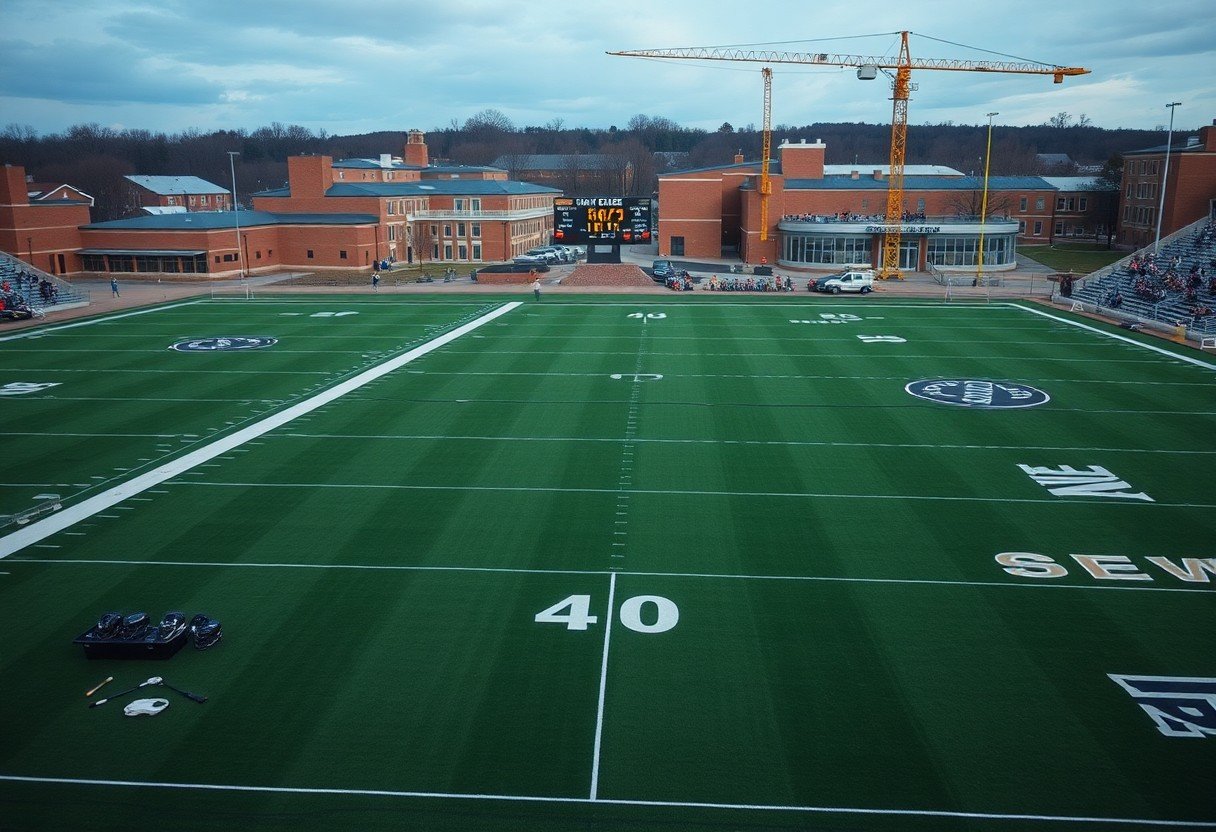
Lacrosse’s Expansion in Colleges
You see the sport move from regional niche to national stage as more programs join conference play, with the NCAA men’s championship running since 1971 and the women’s since 1982. Traditional powerhouses like Syracuse, Duke and Maryland still dominate recruitment pipelines, while mid-majors and SUNY schools have added varsity teams, increasing competitive depth and television exposure that boosts scouting and club-to-college transitions.
NCAA Involvement and Regulations
The NCAA now controls eligibility, postseason formats and safety standards, and you feel the impact of rules like the transfer portal (introduced 2018) and NIL policies (effective 2021) on roster movement and recruiting. Compliance offices enforce limits on practice hours and scholarships, while mandated concussion protocols and baseline testing shape game-day decisions and long-term athlete care.
The Rise of Women’s Lacrosse
You’ve watched women’s lacrosse expand rapidly: the NCAA championship (since 1982) and Title IX-driven funding have grown the college ranks, and programs such as Maryland and Northwestern consistently attract top recruits from elite club circuits. Increased media coverage and youth participation feed college rosters, creating deeper competition across Divisions I-III.
Digging deeper, you notice pro opportunities (for example, Athletes Unlimited launching a women’s pro lacrosse league in 2021) and elevated recruiting intensity-coaches scout national tournaments and offer earlier-while safety debates and resource allocation continue to influence how your program develops athletes and retains talent.
Major Lacrosse Championships and Events
High School Tournaments
State tournaments in New York, Maryland, and Pennsylvania often set the pace, drawing scouts and fans to weekend finals. You follow marquee events like the US Lacrosse All‑America selections and regional invitationals that surface college recruits; dozens of state championships across over 30 states feed the college pipeline. High school showcase games and the Under Armour All‑America matchup let you see the nation’s top seniors, and those events attract college coaches and pro scouts.
College Championships
Since 1971 the NCAA Division I men’s championship (and the women’s since 1982) has been college lacrosse’s centerpiece. You watch powerhouse programs – Syracuse, Johns Hopkins, Duke, Maryland – compete in a postseason that culminates in a Final Four weekend which draws tens of thousands of fans and major media coverage.
The tournament uses single-elimination brackets, combining automatic qualifiers from conferences like the ACC, Big Ten, and Ivy League with at-large bids; you can trace champions through memorable upsets and dynasties. Semifinals and finals are staged at neutral sites, broadcast on ESPN, and the expanding field has increased exposure, recruiting pressure, and NIL opportunities for players.
The Cultural Impact of Lacrosse
You see lacrosse reshape local identity as youth leagues multiply and college programs expand, with pro exposure driving recruitment; explore Why Lacrosse is Growing in Popularity. You also confront its Indigenous origins and debates over cultural use, while championship weekends drawing 20,000-30,000+ fans inject significant economic and civic pride into host cities.
Community Engagement and Support
You witness parents, alumni, and businesses sustaining teams through volunteer coaching, booster fundraising, and free clinic days; many programs generate tens of thousands of dollars yearly for turf, travel, and scholarships. You benefit when school-club partnerships bring equipment and coaching into underserved neighborhoods, expanding access and college pathways.
Lacrosse in Popular Media
The media landscape has shifted significantly since the Premier Lacrosse League launched in 2019. More games now appear on ESPN and streaming platforms. Production values have increased notably. Athlete-driven storytelling has become more prominent.
You can watch highlight reels on TikTok and Instagram. Short-form clips amplify player profiles effectively. This exposure boosts merchandise sales significantly. It also drives youth participation and program sign-ups.
The NCAA finals often draw 20,000-30,000 attendees. PLL tour stops place pro games in college towns to grow local fan bases. Sponsorships increase revenue for programs across the sport.
However, you feel pressure balancing competitive growth with preserving authentic youth experiences. Programs must carefully manage this expansion while maintaining their core values.

Future Trends in Lacrosse
Expect expansion into nontraditional states like Texas, Florida and Arizona as youth clubs feed high school pipelines; professional visibility from the PLL (since 2019) and more college broadcasts on ESPN/BTN accelerate recruiting. You’ll see programs invest in scholarships and club-to-varsity transitions, with increased participation reshaping regional dominance and talent scouting.
Technology and Training Innovations
D1 and elite clubs now use GPS and IMU wearables extensively. Heart-rate monitoring and video-analysis platforms track load, shot locations, and possession metrics. Advances from brands like STX and Warrior produce lighter, more responsive gear. Pro teams are testing ball and goal sensors to capture additional data.
These technologies raise performance levels significantly. However, they also elevate concussion and shoulder injury risk. Therefore, your training must prioritize prevention and recovery protocols.
Predictions for Continued Growth
Expect more varsity programs at high school and college levels. Growth will be especially strong across the Sun Belt and Mountain West. Title IX pressures and youth demand push institutions to add teams.
NIL and professional pathways will make lacrosse a viable career track. This creates new opportunities in scholarships and coaching jobs. Pro contracts will also expand. These developments will change how you recruit and develop talent.
Community initiatives like US Lacrosse’s Grow the Game program expand recruiting bases. Urban outreach in cities such as Baltimore and Philadelphia diversifies talent pools. Women’s programs receive particular investment to satisfy equity requirements. Colleges increasingly rely on analytics and local pipelines. As a coach or administrator, you should prioritize youth partnerships. Coaching clinics and data systems help capture the next generation of players.
To wrap up
Lacrosse is rising in American high schools and colleges. This sustained transformation is driven by expanding youth participation. Investment in coaching and facilities also fuels growth. Diversified recruiting pipelines and growing media support contribute as well. This trend broadens scholarship and leadership opportunities for athletes. It reshapes campus athletic priorities nationwide. Continued growth in competitive and recreational programs is expected.
FAQ
Q: Why has lacrosse grown so rapidly in American high schools and colleges?
A: Investment in youth leagues and travel clubs has created a steady talent pipeline. Expanded media coverage and social media highlights have boosted visibility. Coaching education and converted turf fields make it easier for schools to add programs. The sport’s fast pace attracts multi-sport athletes. Its skills transfer naturally from basketball, soccer, and hockey.
Q: Which regions are seeing the biggest increases in participation and why?
A: The Northeast and Mid-Atlantic remain traditional strongholds. However, the Midwest, South, and West have seen the fastest recent growth. This expansion results from family relocation and aggressive club development. Partnerships with recreation departments have also fueled growth. Additionally, private academies and prep schools invest heavily. They export coaching models and recruiting networks to new regions.
Q: How have recruiting and scholarship opportunities changed for high school players?
A: College recruiting now starts earlier than ever. It relies heavily on club tournaments, recruiting platforms, game film, and showcases. More colleges across all NCAA levels and NAIA are adding programs. This increases roster spots and scholarship competition. Scholarship amounts vary by division and gender. NIL opportunities and private endorsements are beginning to affect top recruits. This change comes as the sport’s profile continues to rise.
Q: What impact has the growth of women’s lacrosse and Title IX had on the sport’s expansion?
A: Title IX funding has accelerated the addition of women’s varsity programs. This creates more roster opportunities and coaching positions. Women’s lacrosse has its own rule set and culture. Its rapid expansion has driven facility improvements and conference realignment. Youth outreach from this growth benefits the entire sport.
Q: What challenges and trends should programs and players prepare for going forward?
A: Programs must manage costs for equipment and travel. They must prioritize head safety protocols and coaching certification. Competitive equity and access in underrepresented communities also require attention.
Trends include growth of box and indoor lacrosse. Data-driven coaching is becoming more common. Debates continue over year-round specialization versus multi-sport participation. There is continued emphasis on creating sustainable youth-to-college pathways.