
Custom lacrosse gear can give you a precise fit that enhances comfort and better performance, while offering specialized protection that lowers your risk of injury; however, you should weigh that against the higher upfront cost and potential maintenance needs. Assess how often you play, your position, and whether the gear’s long-term value in durability and confidence justifies the investment for your game.
Key Takeaways:
- Better fit and comfort – tailored helmets, shoulder pads, and gloves improve protection, reduce chafing, and enhance mobility.
- Performance gains – customized sticks and heads tuned to your play style boost accuracy, ball control, and shot power.
- Higher upfront cost but long-term value – durable, personalized gear can lower replacement frequency, help prevent injuries, and reinforce team identity.
Benefits of Custom Lacrosse Gear
Beyond aesthetics, custom gear tailors protection, weight, and handling to your role on the field. You get equipment matched to your stance, reach, and typical contact patterns, which translates into fewer adjustments during play and more consistent reps in practice. Teams also use coordinated custom kits to boost cohesion and visibility, while individual players gain confidence from gear built to their exact specs.
Enhanced Performance
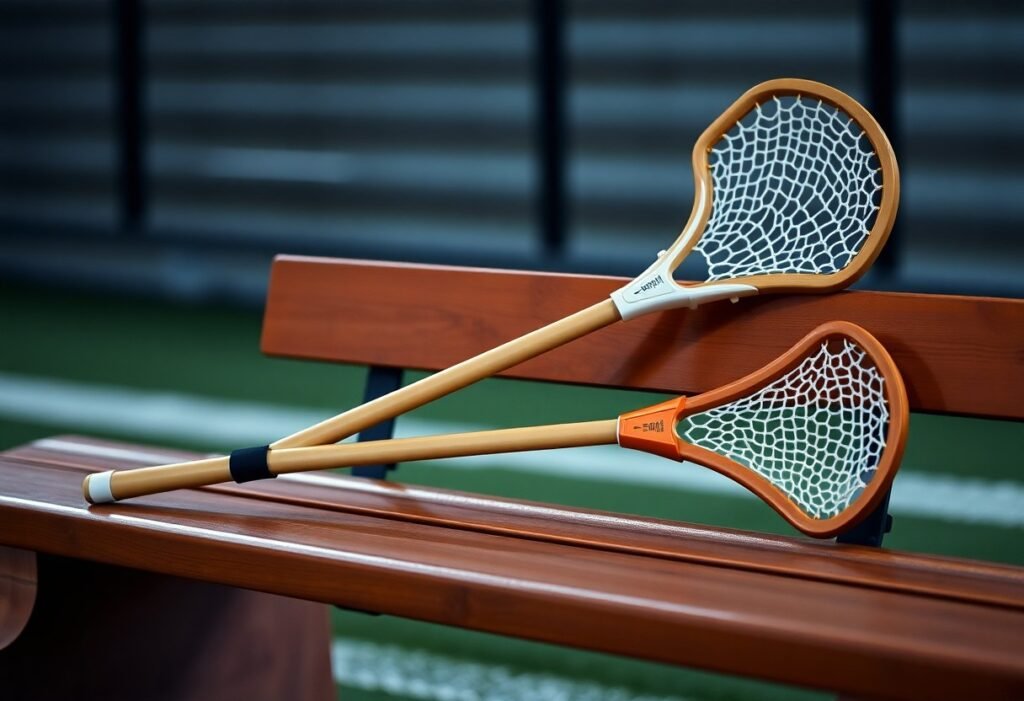
Custom heads, mesh and shafts let you optimize release point and ball retention for your position: attackers favor tighter pockets and firmer mesh, defenders prefer wider mouths and stiffer shafts. You can shave 10-30 g off shaft weight to increase swing speed, and pros who use signature heads report noticeably crisper releases-translating into faster shot release and improved ball control under pressure.
Personalized Fit
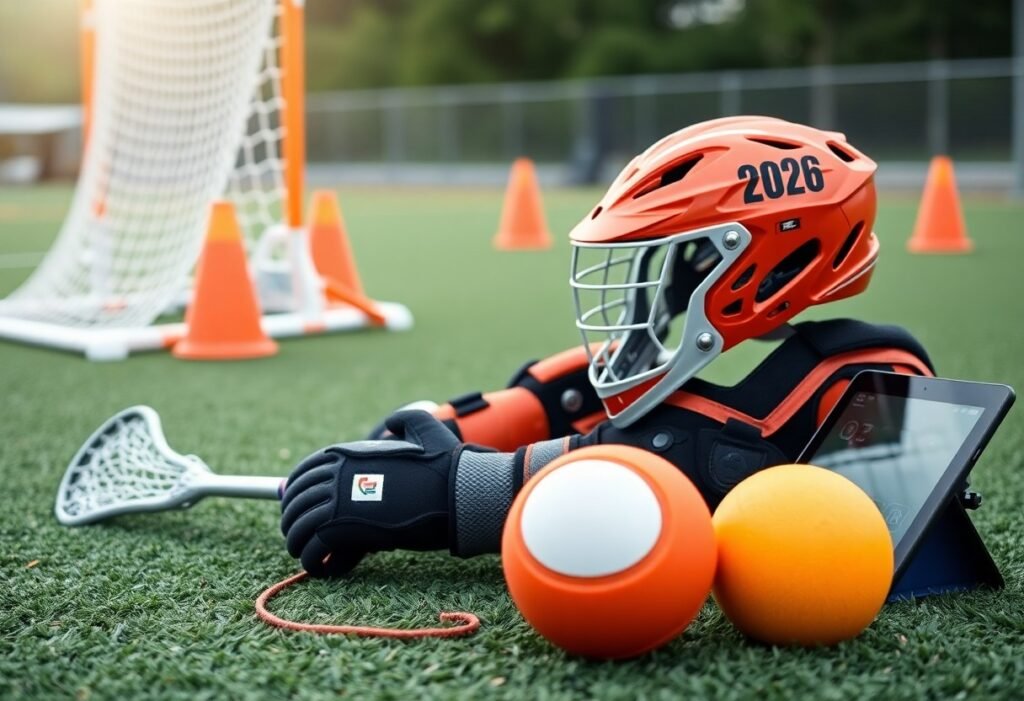
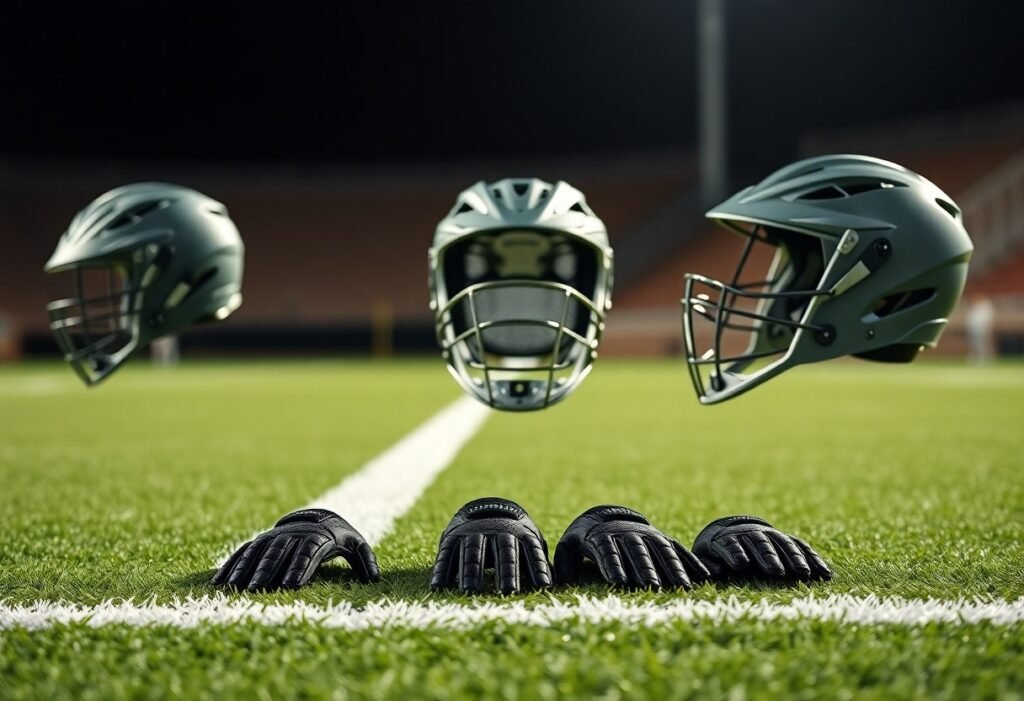
Custom gloves, shoulder pads and helmets are made to your hand shape, shoulder width and neck length, reducing bulk where you don’t need it and adding padding where you do. Expect custom gloves to range from $120-$250, shoulder pads $80-$220 and custom mouthguards $50-$150; the result is better dexterity, fewer hot spots, and improved protection that matches your movement.
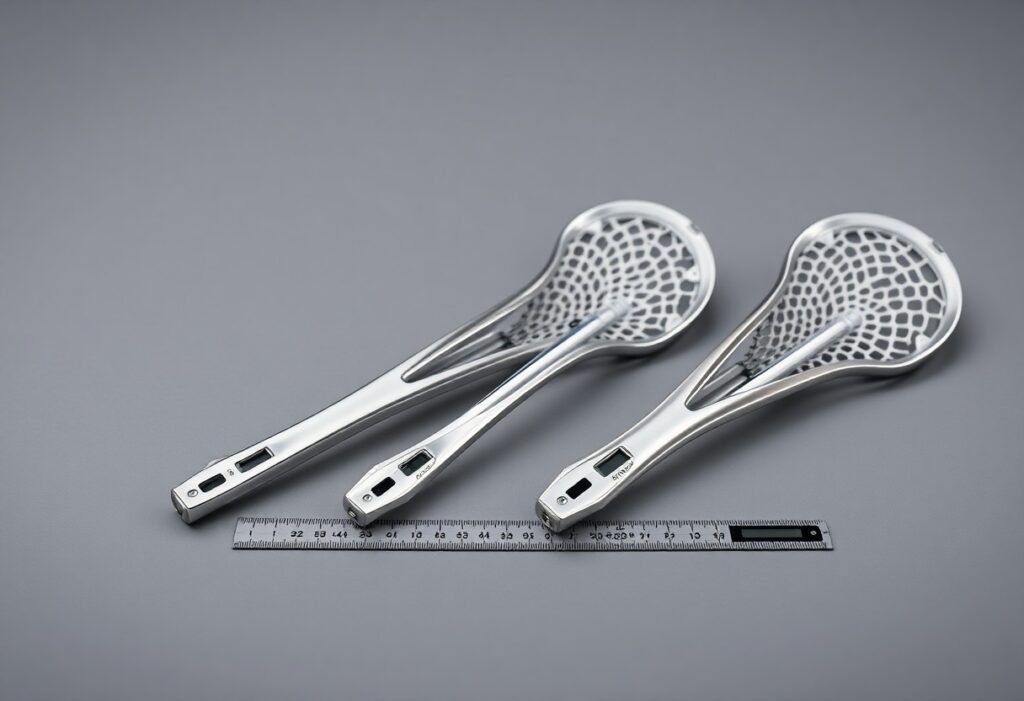
Fitting often uses 3-4 precise measurements or a quick 3D scan, followed by heat-molding or strap adjustments so padding sits exactly where it should. Turnaround times typically run 2-4 weeks, and ordering for a full roster can unlock bulk discounts; manufacturers also log your specs for easy reorders or incremental upgrades.
Cost Analysis
Compare typical price ranges: custom heads $80-$250, specialty shafts $120-$350, and full custom setups often $300-$700, versus standard complete sticks at $100-$250. If you want improved fit and performance, you’ll pay more up front but can offset costs with longer use and higher resale; see Complete Stick or DIY Buy? Why purchasing a Full Stick Setup… for buying guidance.
Comparison with Standard Gear
You’ll notice custom gear emphasizes tailored fit, lighter materials, and tunable balance, while standard gear offers predictability and lower entry cost; the table below breaks down the trade-offs so you can match choice to play style and budget.
Quick Comparison
| Custom Gear | Standard Gear |
|---|---|
| Cost: $300-$700 upfront | Cost: $100-$250 upfront |
| Fit/Performance: personalized, often lighter | Fit/Performance: generic, consistent feel |
| Durability: higher-grade materials, 2-5 seasons | Durability: 1-3 seasons typical |
| Resale: 30-60% retained value | Resale: 10-30% typical |
Long-term Investment Value
When you amortize cost over seasons, a $500 custom used three seasons is about $167 per season versus $100 per season for a $200 standard used two seasons; because custom parts often last longer and hold higher resale, committed players frequently see net value after 1-3 seasons.
Also factor maintenance and play volume: replaceable components, 1-2 year warranties, and quality mesh can reduce mid-season replacements. If you play 50+ games annually, add $30-$80 per year for upkeep; weighing those costs against improved handling, reduced fatigue from better balance, and resale, custom gear often becomes cost-effective for regular competitors.
Customization Options
You can choose from a mix of material upgrades, pocket styles, colorways and branding: typically options include three shaft materials (aluminum, scandium alloy, carbon composite), 4-5 pocket profiles (shallow to deep), full-color wraps or vinyl decals, helmet and glove color matching, and player numbering; expect custom costs from about $20-$200 and lead times of 7-21 days depending on complexity.
Material Quality
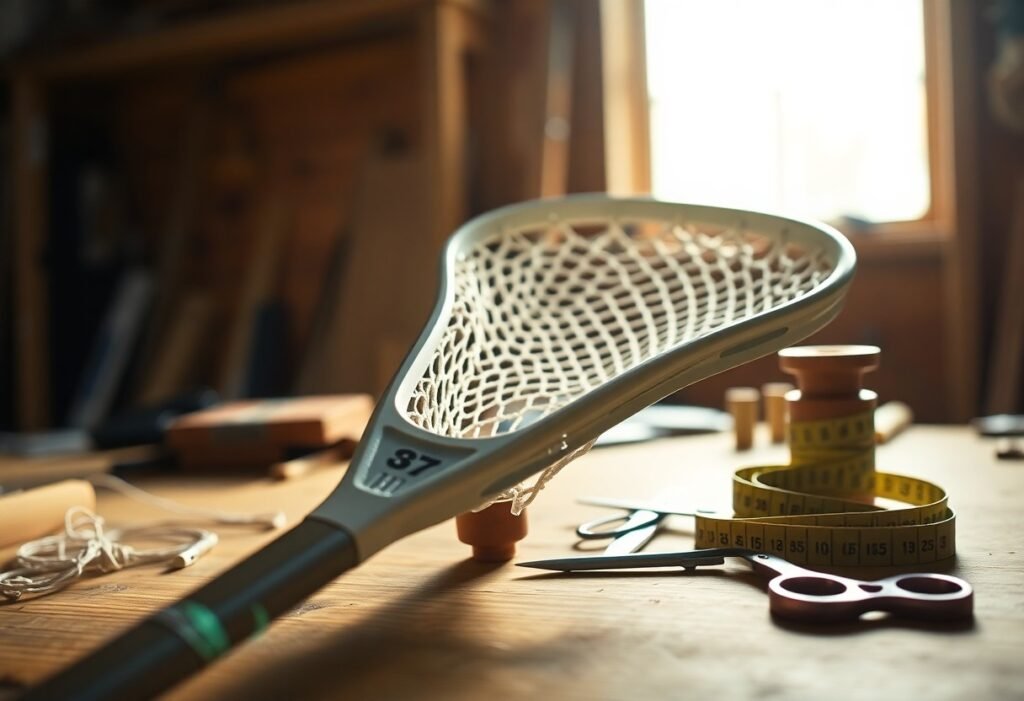
You should weigh shaft and head materials for durability versus weight: carbon composite gives you a lighter, stiffer feel while aluminum is cheaper but dents more easily, and scandium alloys sit between the two. Mesh choices matter too-synthetic mesh typically breaks in after 1-3 games versus leather-style pockets that take weeks. Prioritize impact protection and reinforced stitching on gloves and pads to reduce risk of mid-game failure.
Design and Aesthetics
You’ll get choices from simple team colors to full dye-sublimation artwork, metallic hydro finishes, and custom etching; vinyl decals and laser engraving handle logos and numbers cleanly. Designers often charge extra for multi-color or bespoke artwork, with small custom decals around $20-$60 and full-wrap or pro-shop builds nearer $75-$200, so budget for visibility if you want to stand out on the field.
For deeper detail, dye-sublimation delivers photo-quality, UV-resistant graphics that won’t peel, while hydro dipping and clear-coated paint give metallic or textured effects-each adds cost and may increase turnaround to 2-4 weeks. You should ask for a physical sample or digital mock-up before ordering large batches; teams that order a single prototype first avoid costly reprints and ensure color matching across sticks, helmets and jerseys.
Brand Considerations
Reputation and Reliability
Check how long a brand has produced lacrosse gear, its pro sponsorships, and whether it publishes warranty and testing data. Established names like Warrior, STX, and Epoch typically offer industry-standard warranties of 1-2 years and more consistent quality control, while boutique makers may deliver tailored options but variable QA. Give weight to brands that disclose testing methods and use proven materials; shoddy construction can cause failures and injury.
Customer Reviews
Scan retailer reviews, Reddit threads, and team-store feedback for patterns; prioritize reviews with verified purchases and photos or videos. Models with fewer than 10 reviews are riskier, whereas dozens to hundreds of reviews provide more reliable signals. Focus on consistent complaints about durability, sizing, or factory defects-repeating issues matter far more than single positive comments.
Dig deeper by tracking review timelines-recent spikes in defects often indicate a bad production run-and note if the manufacturer responds to complaints or issues refunds. You should weigh reviews by sample size, seek out video field tests from trusted sources, and value pro-player feedback combined with 200+ honest user reviews over curated marketing copy.
The Process of Ordering Custom Gear
When you place a custom order the workflow moves quickly from design to delivery: choose models and materials, upload logos and color specs, approve a digital mockup, and pay a deposit to begin production. For example, a 20-player team set often requires a 30-50% deposit, a typical production window of 10-14 business days, then 3-7 days shipping. Vendors frequently offer rush options that cut production to 3-5 business days for a fee, so your approval timing directly affects schedule.
Steps to Place an Order
Select the gear, pick templates or custom silhouettes, and upload your artwork in SVG or EPS format with Pantone color codes for accurate matches. Most suppliers send a digital mockup within 24-72 hours; you review and request edits, then pay the agreed deposit to lock in production. For team buys, provide a CSV roster and size breakdown to avoid costly reorders and fit issues.
Timelines for Delivery
Production generally runs from 7-21 business days depending on technique, while rush services advertise 3-7 business days; domestic shipping adds roughly 2-10 days, so plan for a total of 2-5 weeks on standard orders. As an example, custom gloves often ship in 10-21 days, but painted helmets or multi-component pads can stretch to 3-5 weeks, so align ordering with your season schedule.
Delays commonly stem from complexity (embroidery can add 3-5 days), order size (team orders over 20 units may add 7-10 days), and international customs (often adding 7-14 days). Production does not start until you approve the final mockup and pay the deposit, and incorrect file formats or missing size charts create hold-ups-supplying SVG logos and Pantone codes reduces revisions and can shave several days off delivery.
Potential Downsides of Custom Gear
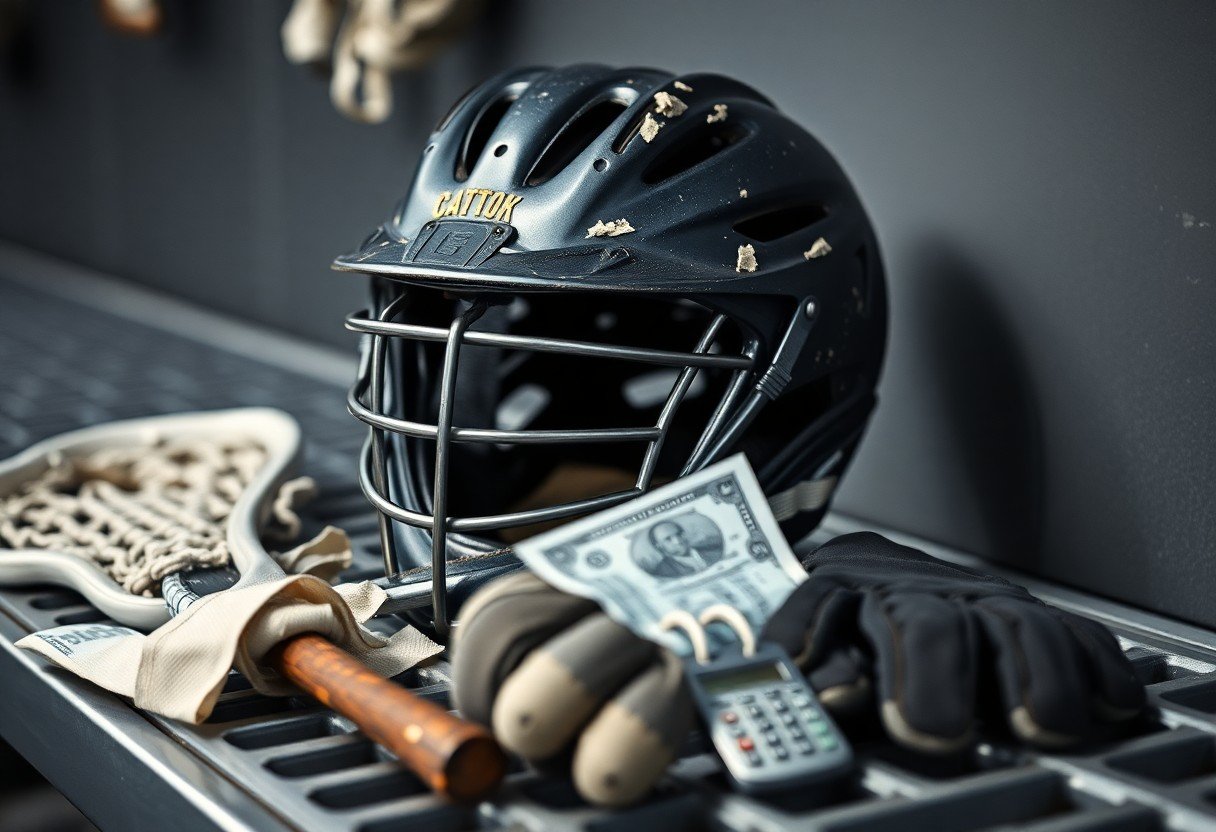
Even when customization gives your setup an edge, you face tangible trade-offs: higher upfront cost, longer lead times (often 2-6 weeks), potential fit mismatches when ordering remotely, and a smaller secondary market for personalized items. You should weigh whether a $50-$200 customization fee or a 20-50% price premium is worth the performance or branding gains for your season and budget.
Higher Initial Costs
Custom shafts, heads, or complete sticks commonly push prices into the $250-$500 range versus $120-$250 for off-the-shelf options, meaning you often pay 20-50% more. If you add custom paint or graphics, expect an extra $50-$150. You’ll want to factor these figures against how long you’ll keep the gear and whether team discounts or bulk orders reduce per-player cost.
Limited Resale Value
Personalized colors, names, or nonstandard specs shrink the pool of interested buyers, so your item can sit longer and sell for less; used lacrosse gear typically sells for 30-60% of retail, but strongly customized pieces often land at 20-40% of original price. You should plan for that steeper depreciation if you intend to recoup costs later.
For example, a custom-painted helmet bought at $400 might only attract offers around $120-$180 unless you keep colors neutral and remove names. Listings on marketplaces like eBay and Facebook show customized heads and helmets average more days on market; you can improve resale by saving original packaging, documenting specs, and offering clear, neutral photos to broaden appeal.
Final Words
On the whole, investing in custom lacrosse gear is worth it when you want improved fit, protection, and performance; personalized equipment enhances comfort and confidence, reduces injury risk, and can last longer, and by prioritizing key pieces and selecting only meaningful upgrades you can control cost, making customization a sensible long-term choice for committed players.
FAQ
Q: Is custom lacrosse gear worth the investment?
A: Custom gear is worth it when you value fit, performance, or personalization. Properly sized helmets, shoulder pads, gloves and sticks reduce distractions, improve mobility, and can lower injury risk. For serious players, travel athletes, or those with unique sizing needs, the performance and confidence gains often justify higher upfront costs. Casual players who prioritize budget and flexibility may find high-quality off-the-shelf options sufficient.
Q: How does custom gear affect performance and safety?
A: Custom gear improves performance and safety by matching protective padding, shaft flex, head pocket and glove fit to the player’s body and playing style. A correctly tuned shaft and properly strung head enhance ball control, release speed and accuracy. Helmets and pads fitted to the individual minimize shifting during contact, maintaining protection and sightlines. These refinements can reduce soreness, improve reaction times, and support longer, more effective play.
Q: What are the cost differences and long-term value of custom gear?
A: Upfront costs for custom equipment are higher due to materials, labor and personalization. Long-term value depends on usage: frequent players spread the cost over many seasons, and higher-quality components often last longer or can be repaired. Consider resale value for limited-edition or well-maintained custom items. Compare total cost per season and expected lifespan against the performance benefits to judge ROI for your situation.
Q: Is custom stick or head tuning worth it compared to standard options?
A: Custom stick tuning-shaft flex, weight, grip and head pocket-can be a game-changing investment for offensive and defensive specialists. Tailored pockets and stringing optimize hold, release point and accuracy, while shaft selection influences shot power and handling. For players seeking predictable performance and a specific feel, customization beats trial-and-error with off-the-shelf gear. Ensure any modifications comply with league rules before investing.
Q: How should I choose a custom gear provider and what should I expect?
A: Choose providers with clear sizing processes, examples of past work, customer reviews and transparent warranties. Expect a fitting session or detailed measurement guide, material and color choices, a timeline for production, and a return or adjustment policy. Ask about repair options, lead times for replacements, and whether demo gear is available before finalizing custom specifications. Verify certification or endorsements from coaches or pro players when possible.