
There’s a clear path to learning lacrosse: you learn basic rules, common positions, and simple plays while developing stick skills and conditioning. Focus on mastering passing, catching, and cradling, understand each role-attack, midfield, defense, goalie-and how they work together. Be aware of body contact and checking, always wear protective equipment, and practice to build speed and teamwork so your gameplay is effective and safe.
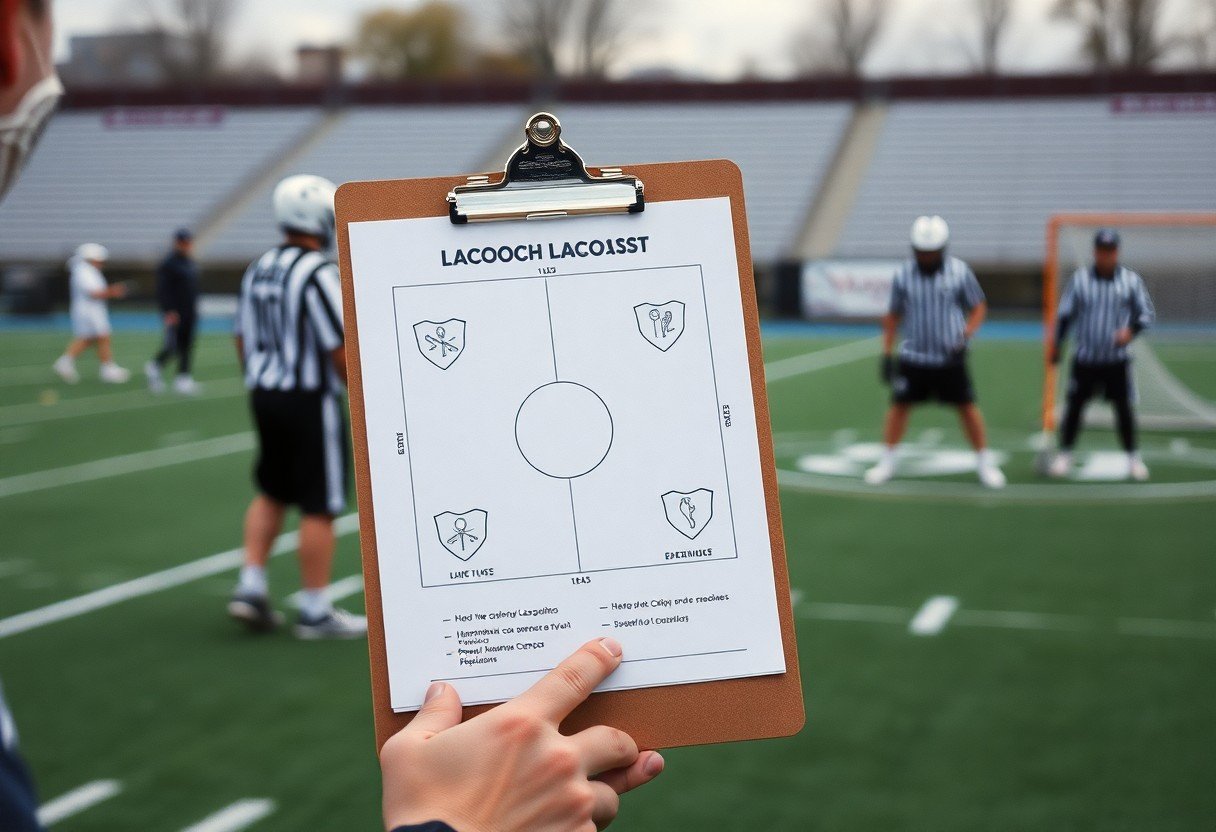
Key Takeaways:
- Objective & basic gameplay: teams use a crosse to pass, catch, cradle, and shoot to score in the opponent’s goal; games are played in timed periods and start with a face-off or draw, with possession changing on turnovers, saves, or penalties.
- Positions and roles: attack players focus on scoring and creating chances near the opponent’s goal; midfielders transition between offense and defense and cover the field; defenders and the goalie protect the net and initiate clears.
- Core rules and penalties: offsides and possession rules limit player locations; fouls are divided into personal (illegal contact) and technical (stick/possession violations) and lead to turnovers or time in the penalty box, creating man-up/man-down situations.
How to Play Lacrosse: The Basics
Understanding the Objective
You aim to outscore the opponent by putting the ball into a 6×6-foot goal; teams restart play with a faceoff at center after goals and between quarters. In men’s field lacrosse you play with 10 players (3 attack, 3 midfield, 3 defense, 1 goalie) and in women’s with 12. Quick transitions, possession wins, and ground-ball dominance usually decide close games.
Basic Gameplay Mechanics
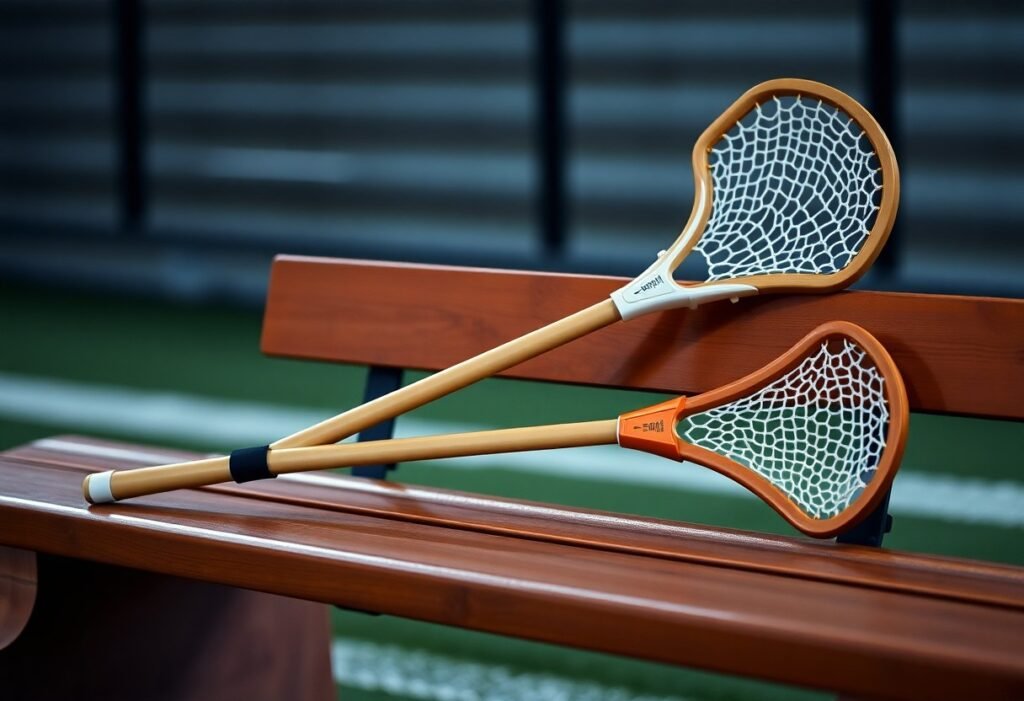
You move the ball with passing, catching, cradling, and shooting; short sticks (about 40-42 inches) give you quick control while long sticks (52-72 inches) extend reach for defensive plays. Men’s rules permit body checks to the torso and stick checks, but illegal hits to the head or slashing draw immediate penalties. Timing and spacing create high-percentage shot opportunities.
You handle transitions by clearing the ball past midfield. Run set offenses like a 2-3-1 scheme while the opponent pressures with a ride. Penalties create man-down situations that become opponent power plays. Professional formats often use a shot clock, such as 52 seconds in some leagues. This forces faster possessions and structured play calls.
Lacrosse Rules
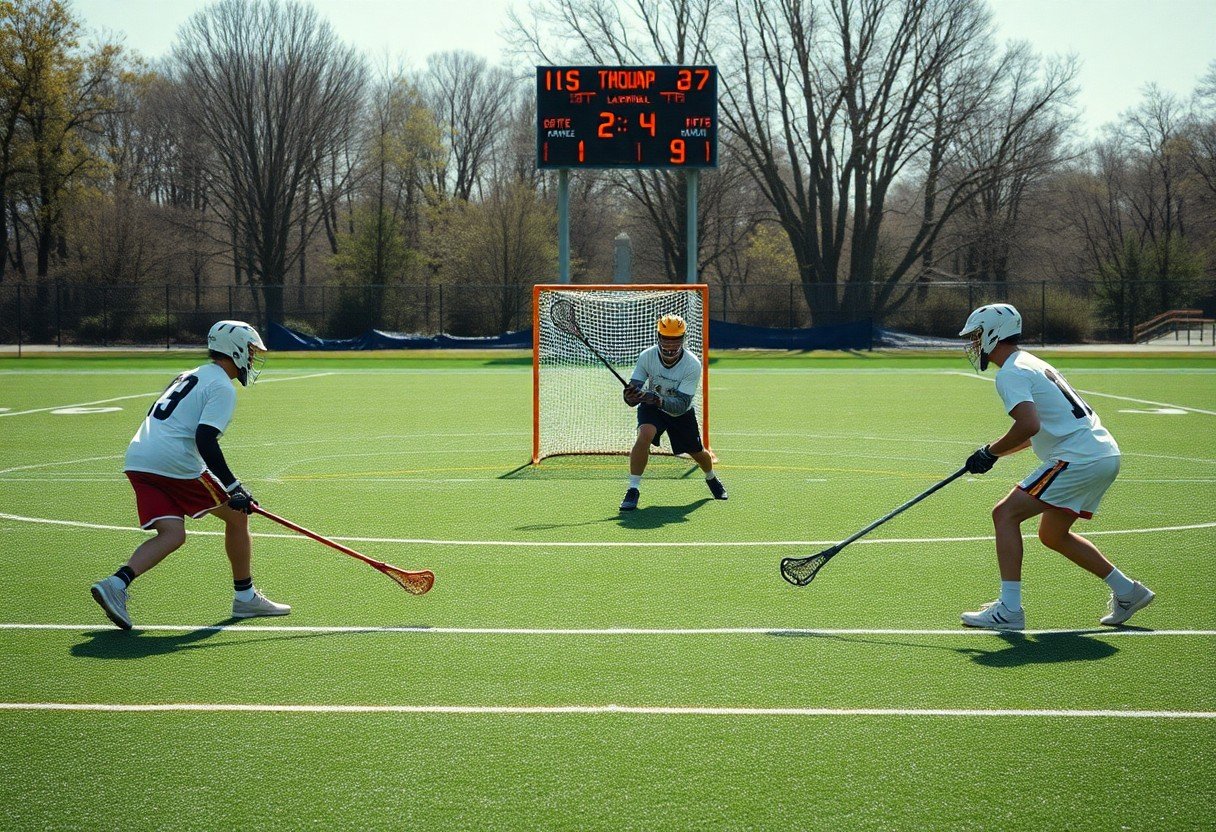
You’ll see teams field 10 players in men’s and 12 in women’s lacrosse, with four 15-minute quarters common at college and pro levels. Substitute on the fly through the substitution boxes, and follow stick-length rules (attack 40-42″, defense 52-72″). Shot clocks vary by league-often 30-80 seconds; for example, the PLL uses a 52-second clock. Offside, crease protection, and possession mechanics shape transitions and scoring opportunities, so you must internalize these specifics to avoid turnovers and penalties.
Key Rules for Players
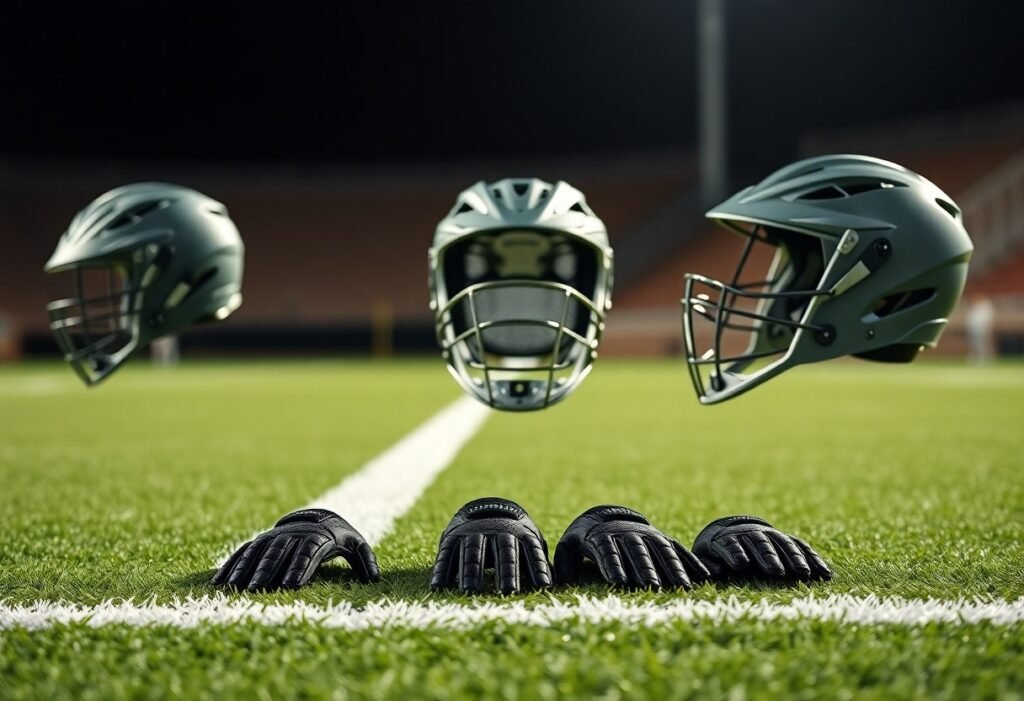
You must stay onside-violating the midfield balance results in an offside penalty; formations typically keep three attack, three midfield, three defense, and a goalie in men’s play. Face-offs restart play after goals and at period starts, giving you a chance to win immediate possession. Wear mandated equipment in men’s lacrosse: helmet, mouthguard, gloves, arm and shoulder pads. Women’s rules limit physical contact, so your stick work and foot speed become the primary tools for gaining and maintaining possession.
Fouls and Penalties
You’ll encounter two main foul classes: technical (offsides, holding, push checks) and personal (e.g., slashing, cross-checking, illegal body checks). Technical fouls typically result in about 30 seconds in the penalty box, while personal fouls often carry 1-3 minute penalties and can be non-releasable. Officials signal each infraction-adjust quickly to cover space, pick up loose balls, and avoid compounding penalties with reactive fouls.
When shorthanded, special teams determine outcomes. Effective clearing and strategic riding help you survive and convert on power plays. Certain leagues issue cards or ejections for repeated violent fouls. A foul that prevents a clear scoring chance can result in a penalty shot. Practice man-up and man-down schemes. This lets you exploit extra attackers and limit opponents’ high-percentage looks.
Positions in Lacrosse
Overview of Different Positions
Teams play with 10 players on the field: three attackers, three midfielders, three defenders, and one goalie. Attackers use short sticks (40-42 inches) to generate scoring chances near the opponent’s goal. Midfielders cover both ends and often include a faceoff specialist (a FOGO). Defenders commonly wield long poles (up to 72 inches) for reach. Your goalie protects a 6×6 net and directs the defensive alignments.
Responsibilities of Each Position
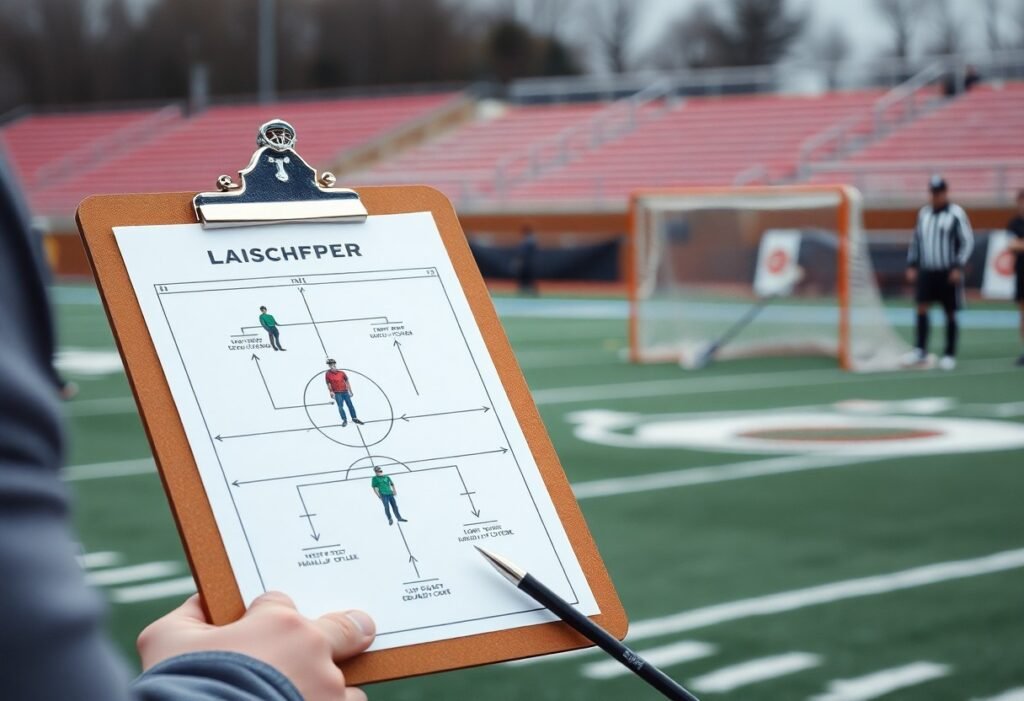
Attackers focus on creating and finishing plays with picks, cuts, and quick shots; your job is to get quality attempts on goal. Midfielders handle transitions, win possessions at the faceoff, and support clears and rides. Defenders force turnovers through positioning, angles, and poke checks using long poles to disrupt passing lanes. Your goalie stops shots, calls slides, and organizes the defense; on extra-man plays everyone shifts responsibilities to open space and exploit matchups.
Going deeper, defensive schemes alternate between man and zone. When an attacker beats you, teammates must slide within 2-3 seconds to prevent an easy shot. During clears, you fill designated lanes. If you lose possession, your team must immediately ride to delay the opponent. Faceoff specialists can swing momentum. Top college FOGOs win over 60% of draws. Practice timing, communication, and mechanics to convert possessions into goals.
Tips for Beginners
You should focus on daily habits that build stick skills, conditioning, and game sense for better results. Spend 20-30 minutes on wall ball, 10-15 minutes on targeted shooting, and play small-sided games to learn spacing and positions. Drill with teammates to simulate pressure, track simple metrics like catch percentage and shot placement, and review clips to correct patterns. This structured routine shortens your learning curve and improves performance under game stress.
- Wall ball: 20-30 min/day
- Passing: focus on accuracy within 2-3 yards
- Shooting: 50 quality reps from 8-12 yards
- Conditioning: 6×40 yd sprints, 60-90 sec rest
- Protective gear: always wear helmet and mouthguard
Essential Skills to Develop
You need consistent work on catching, passing, cradling, shooting, and footwork to move up quickly. Aim for 200-300 wall-ball exchanges weekly. Complete 50 focused shooting reps twice a week. Practice one-on-one dodges in sets of 10 reps per side. Incorporate stick-protection drills and close-range finishing. Failing to train contact awareness increases risk. Always use proper helmet and pads when doing live checks.
Practice Drills and Techniques
Start sessions with dynamic warm-ups. Rotate through 6-8 minute stations including wall ball, partner passing with movement, 1v1 dodge, and shooting progressions. Include a small-sided 3v3 or 4v4 for 10-15 minutes to simulate decision-making under pressure. Finish with 6×40 yard sprint intervals for conditioning. Emphasize quality reps. Perfect mechanics on 30-50 shots beats mindless volume. Use video to track improvements in shot placement.
For a weekly plan, schedule three skill sessions and one team scrimmage.
Session A includes a 10-minute warm-up, 25 minutes of wall ball and passing circuits, 20 minutes of shooting progressing from stationary to on-the-run to pick-and-roll, and a 10-minute cool-down.
Session B features 15 minutes of footwork and agility, 20 minutes of 1v1 and 2v2 dodging drills with 10 reps each, and 15 minutes of situational plays.
The team scrimmage consists of 30-40 minutes of live play emphasizing rotations. Progress from unopposed reps to contested drills. Keep contact drills controlled to avoid injury. Treat high-impact plays with extra focus on head and neck safety.
Factors to Consider When Playing Lacrosse
You should adjust for contact level, rules variations (youth vs. college), and your fitness; college games use 12-minute quarters and a standard field is 110×60 yards with a 9-foot goal crease. Use the Key Fundamentals to Playing Lacrosse for drills that translate across levels. Assume that you prioritize protective equipment, consistent conditioning (3-5 sessions/week), and quality coaching to reduce injury and raise skill.
- Protective Equipment
- Field Dimensions
- Rule Variations
- Playing Surface
- Coaching & Practice Frequency
Equipment and Gear
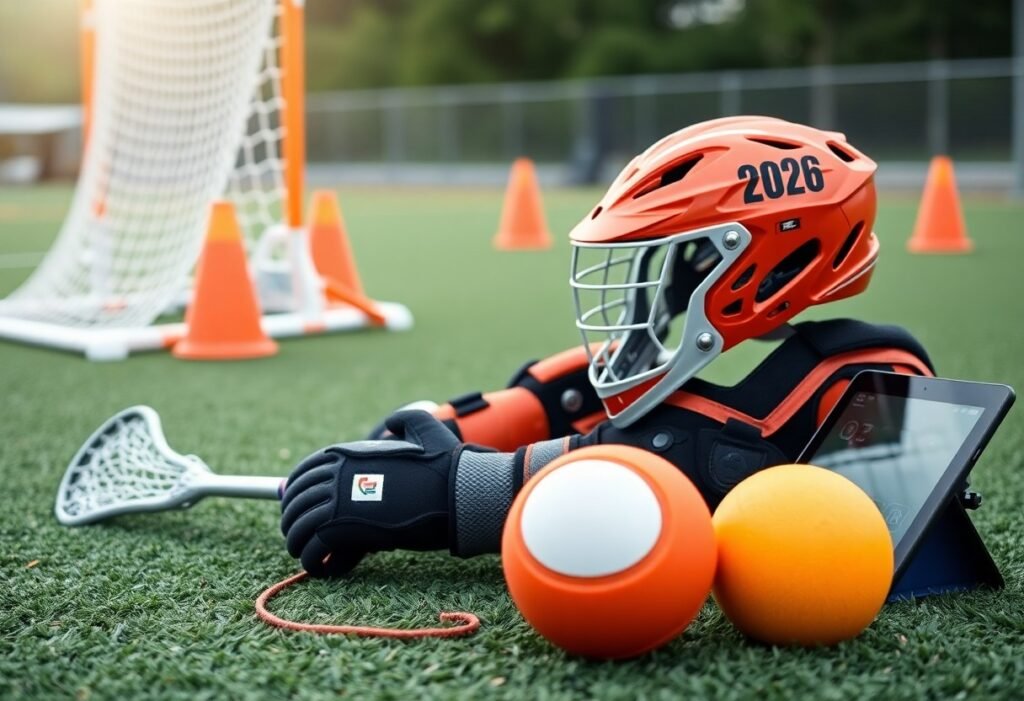
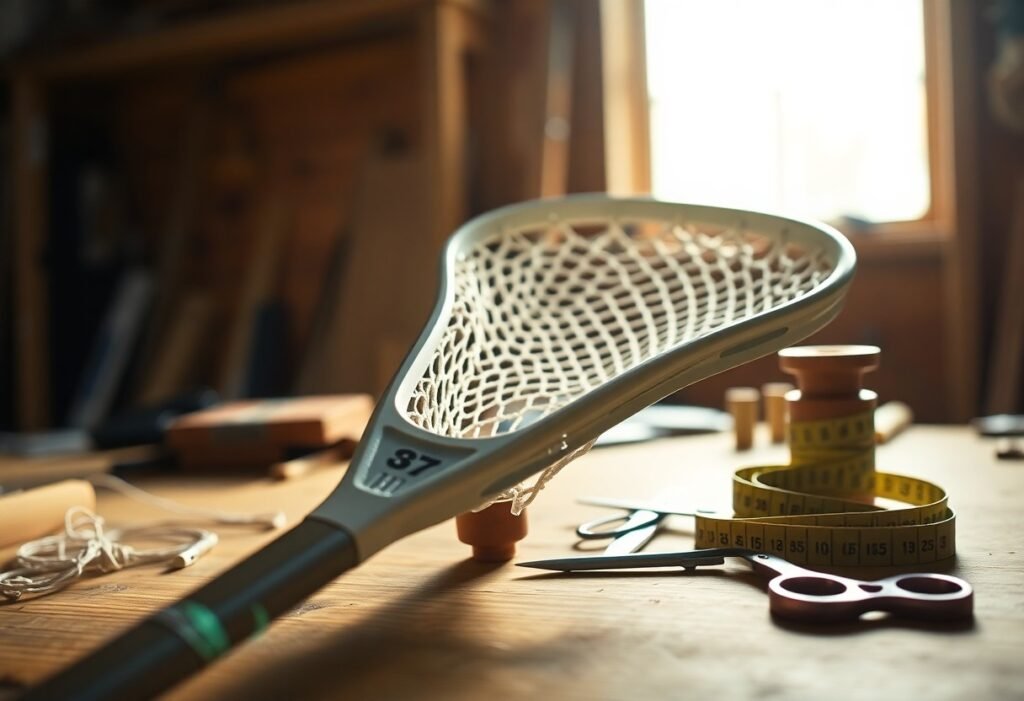
You need a properly fitted, NOCSAE-certified helmet with secure chinstrap, gloves, shoulder and arm pads, and a mouthguard; attack sticks are typically 40-42 inches while defensive sticks range up to 72 inches. Goalies require a larger head, chest protector, and throat guard. Inspect padding, replace cracked helmets, and carry spare strings and tape to avoid mid-game failures; helmet fit and chinstrap tension directly affect concussion risk.
Choosing the Right Field or Arena
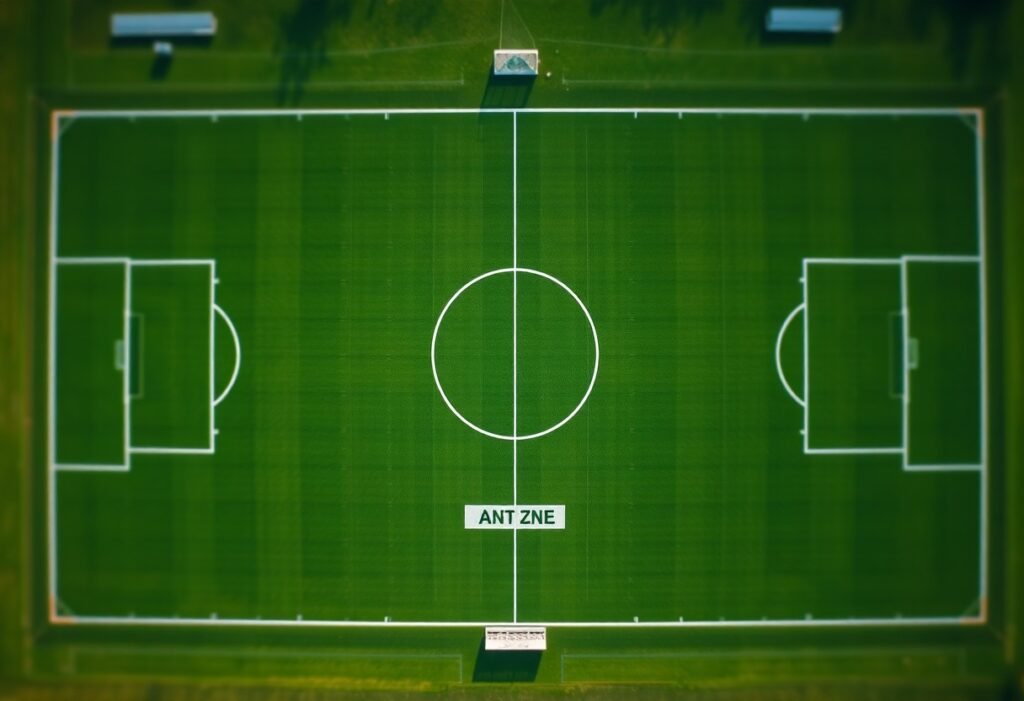
You should pick a surface that matches your play style: natural grass slows the ball and cushions falls, while turf increases ball speed and drainage for fewer cancellations. Outdoor field dimensions are generally 110×60 yards with a 9-foot crease; box lacrosse uses a hockey rink (~200×85 ft) with boards. Poor lighting or uneven turf raises collision and ankle-injury risk, so inspect surfaces before play.
When preparing a venue, check line markings, goal anchoring, and board/glass integrity for box play; confirm floodlights provide at least 300 lux for evening practices. You should schedule maintenance-mowing, drag-matting, or infill leveling-weekly during season, and store spare nets, boundary flags, and first-aid supplies on-site to minimize interruptions and safety hazards.
Final Words
Now you understand lacrosse rules, positions, and basic gameplay; use that knowledge to play with focus, respect for safety, and strategic awareness. Practice stick skills, communication, and positioning, learn officiating signals, and study game situations so you can make smart decisions under pressure and contribute effectively to your team’s performance.
FAQ
Q: What is the objective of lacrosse and how is the field laid out?
A: The objective is to score by getting the ball into the opponent’s goal more times than they score. Field lacrosse is played on a rectangular field with goals centered inside each end. In men’s field lacrosse each team has 10 players on the field (3 attack, 3 midfield, 3 defense, 1 goalie); women’s field lacrosse typically uses 12 players (3 attack, 5 midfield, 3 defense, 1 goalie). Key field markings include the midline, restraining lines, the attack area, the defensive area, and the crease (a circular arc around each goal where only the goalie may stand under specific conditions). Games are divided into quarters (length varies by level) and restart after goals with a clear or draw; possession changes on turnovers, saves, and fouls.
Q: What are the basic rules and common fouls I should know?
A: Basic rules cover offsides (a minimum number of players must stay on each half), ball-in-play procedures, and how scoring is counted. Common fouls include personal fouls (slashing, cross-checking, illegal body check, tripping) that usually carry a 1-3 minute penalty and technical fouls (offside, crease violation, holding, interference) that often result in a turnover or 30-second penalty. In men’s lacrosse body checking is allowed within rules; in women’s lacrosse contact is limited and stick checks are restricted. Face-offs (men) or draws (women) start play at the beginning of periods and after goals. Penalty enforcement can create man-up (extra attacker) or man-down situations that strongly affect strategy.
Q: What are the main positions and what does each player do?
A: Attack players concentrate on creating scoring opportunities and usually stay on the offensive half; they specialize in dodging, shooting, and quick passes. Midfielders (middies) play both offense and defense, run the full field, handle clears and rides, and often include a face-off specialist (FOGO) in men’s lacrosse. Defenders use longer sticks to disrupt passes, checks, and clear lanes; they guard opposing attackmen and work with the goalie on the defensive scheme. The goalie protects the net, directs the defense, initiates clears with outlet passes, and makes saves using positioning and reflexes. Lineup formations vary (e.g., 3-3-3 in men’s or 3-5-3 in women’s) depending on tactics.
Q: What equipment and protective gear are required?
A: Required equipment differs by gender and level. Men’s field players wear a helmet with facemask, mouthguard, gloves, shoulder pads, arm pads, and a stick; goalies also wear chest protectors and throat guards. Women’s players wear goggles/eye protection, mouthguards, gloves (optional at some levels for field players), and sticks; goalies wear additional padding and often helmets with throat guards. All sticks must meet league specifications for shaft length and head pocket depth. Properly fitting gear reduces injury risk and ensures compliance with rules enforced by youth, high school, collegiate, and national bodies.
Q: What basic skills and strategies should beginners practice to get started?
A: Begin with fundamental stick skills: cradling to keep possession, two-handed passing and catching for accuracy, and shooting techniques (overhand, sidearm, bounce shots) for scoring. Practice ground-ball drills, quick outlet passes, and basic dodges (split dodge, roll dodge) to beat defenders. Defensive fundamentals include footwork, proper stick positioning, and body positioning to force turnovers. Learn set plays like clears, rides, and pick-and-rolls; work on communication, transitions between offense and defense, and spacing to create lanes for passes and shots. Drills that simulate game speed, repetitive reps for passing/shooting, and situational scrimmages accelerate skill transfer to games.