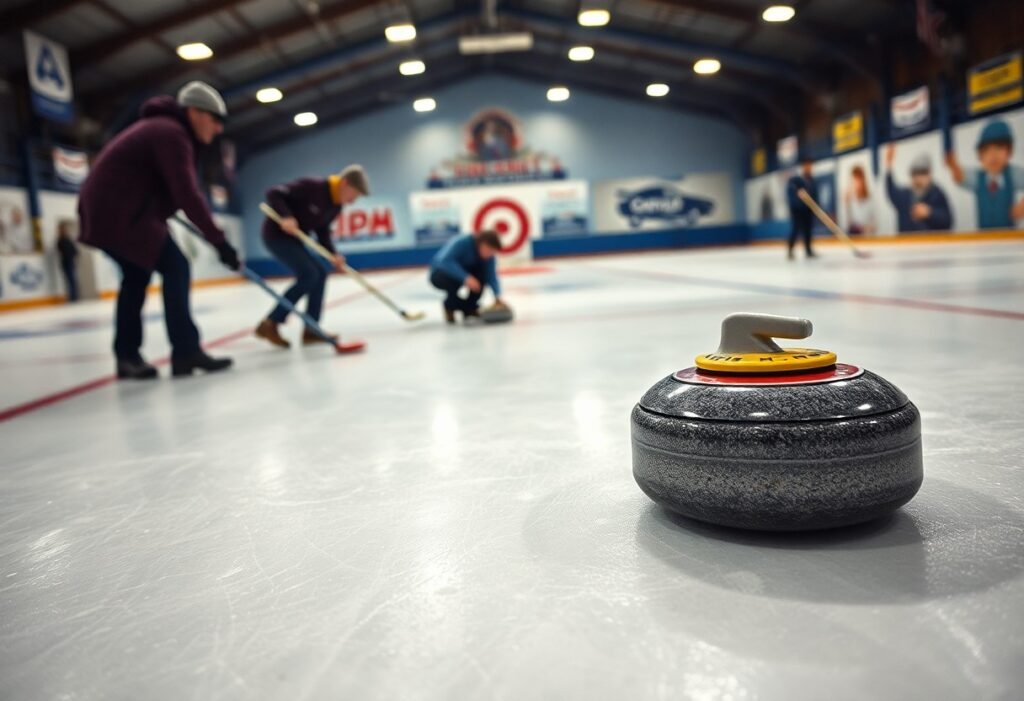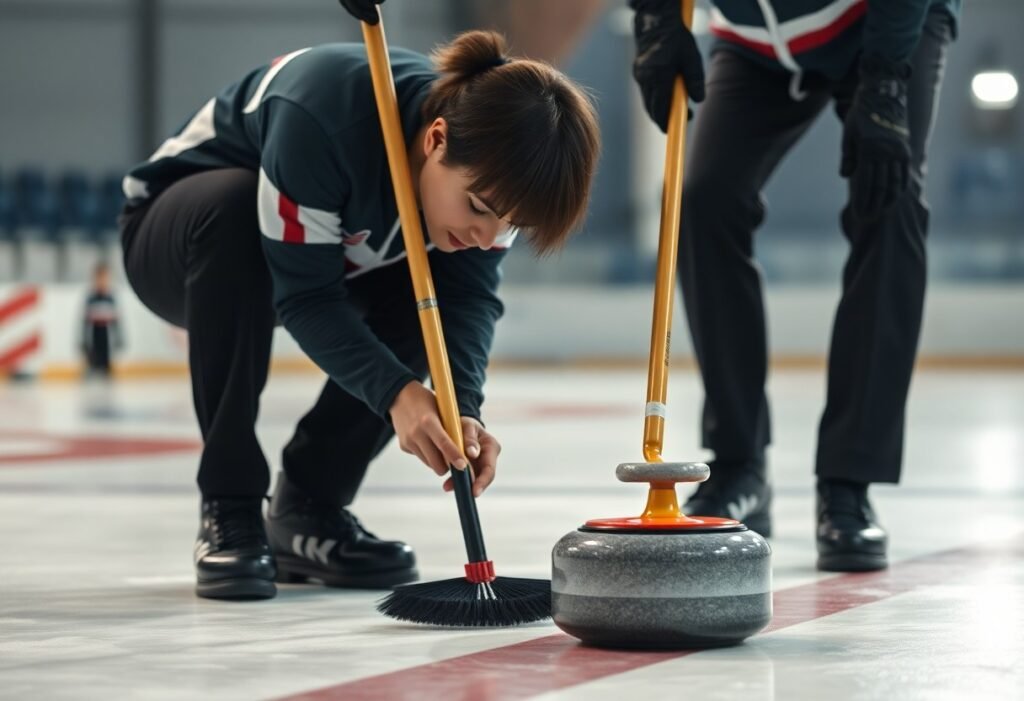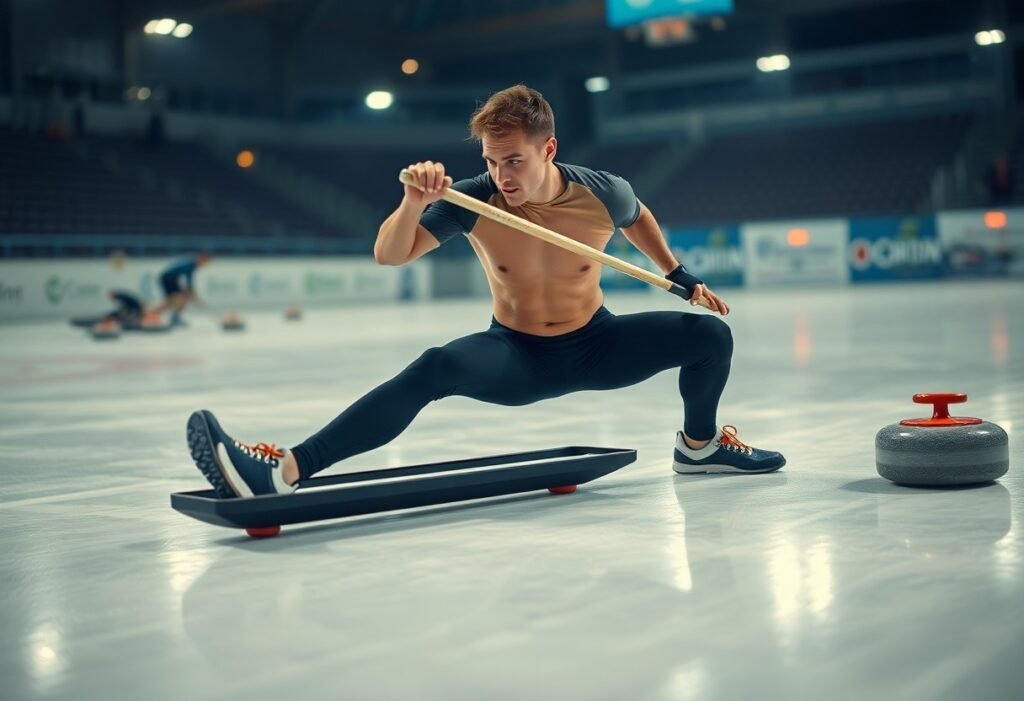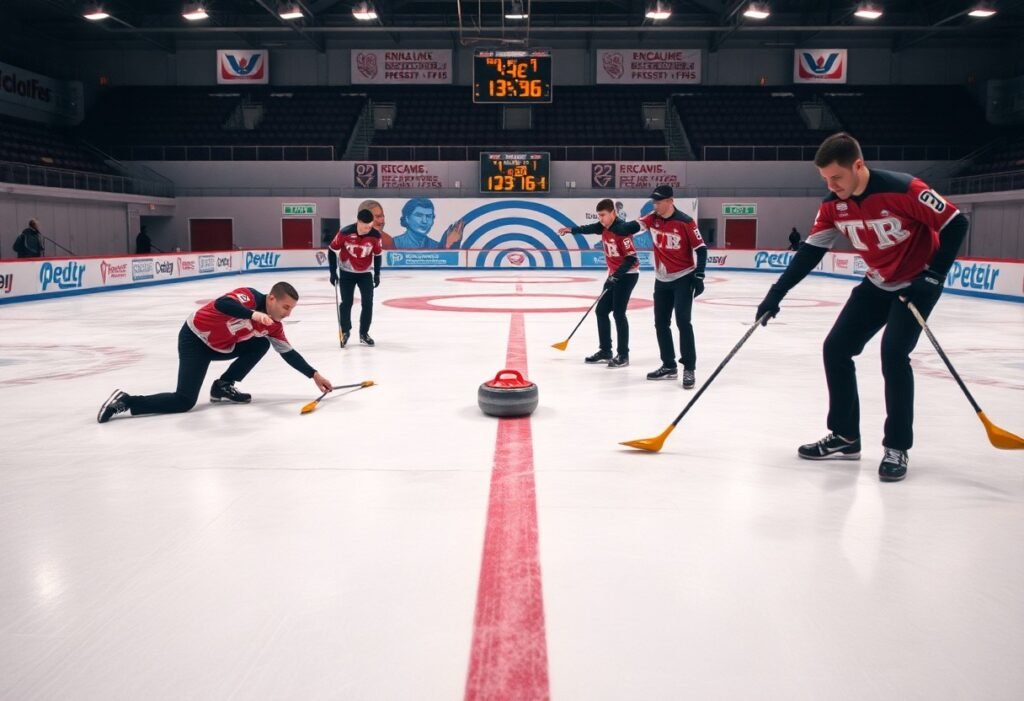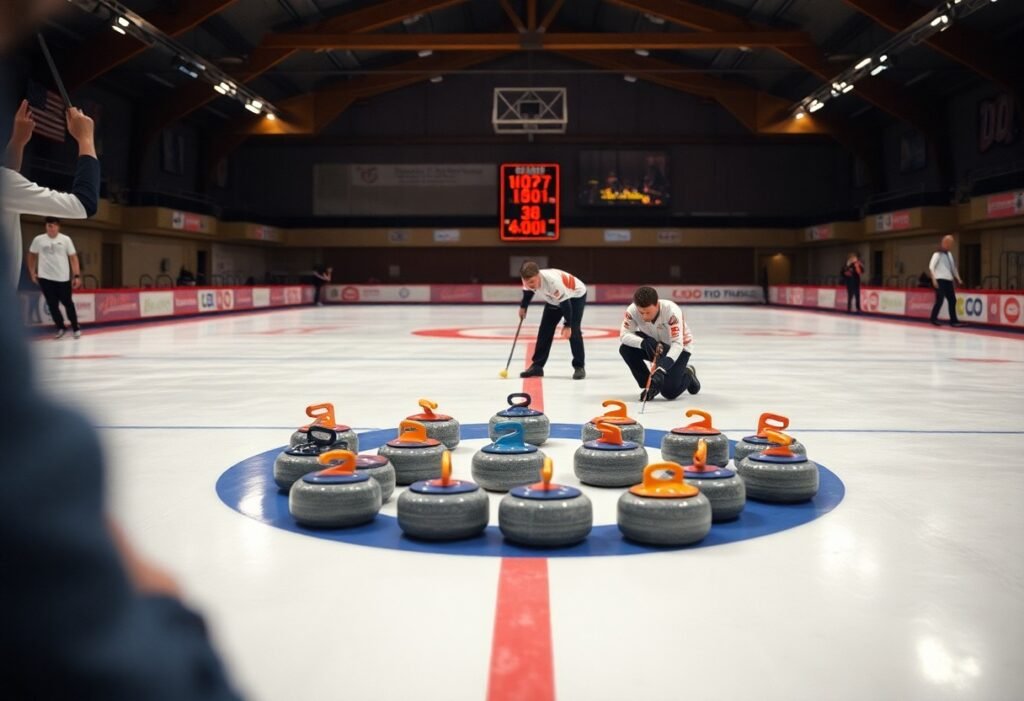

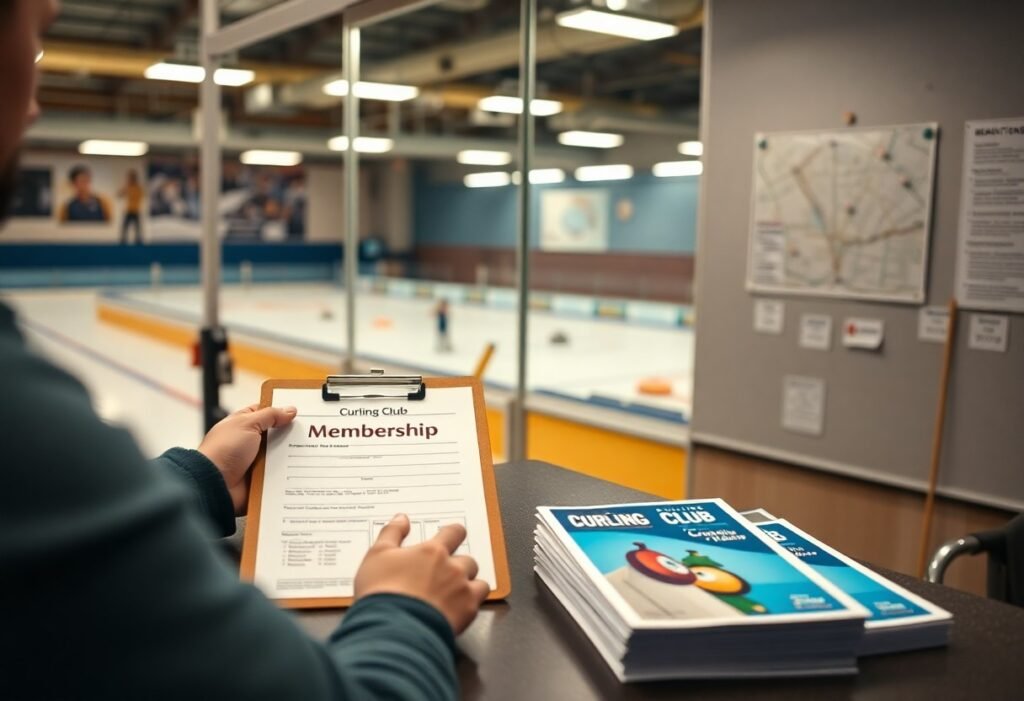
Curling is accessible and social, and if you want to join a local club you should start by researching nearby rinks, checking learn-to-curl sessions and membership options, and contacting club officials about your skill level and fees. Visit a session to assess your risk from slippery ice and falls and what gear you need, take an introductory class, and connect with members to learn about leagues, coaching, and the welcome community and fitness benefits that make curling rewarding.
Key Takeaways:
- Search for nearby clubs on national association sites, Google Maps, or community center listings; look for learn-to-curl events and drop-in sessions.
- Contact the club to ask about membership options, fees, equipment rental, and beginner programs or leagues.
- Attend a beginner clinic or drop-in, try rental equipment, then join a novice league or volunteer to meet members and build skills.
Understanding Curling
On the ice you’ll see a game of precision: two teams alternate sliding granite stones toward a 12-foot target called the house, aiming to score after each of the standard 10 ends in championship play. Teams of four coordinate delivery, sweeping and strategy; each stone weighs about 38-44 lb, and the sheet stretches roughly 45 m from hack to hog line, so pace and placement matter more than raw strength.
What is Curling?
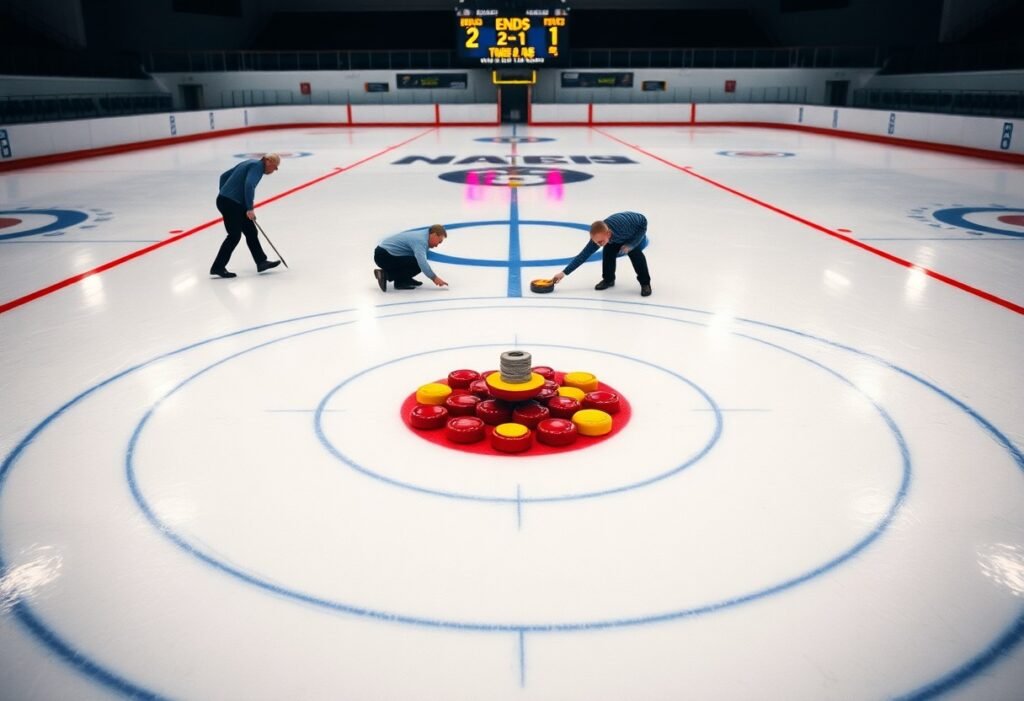
It’s a blend of skill and tactics where you deliver a stone, teammates sweep to influence speed and curl, and the skip calls shots; positions are lead, second, vice, and skip, each with specific roles in sweeping and shot-making. The objective is to finish an end with your stones closer to the button than your opponent’s, using measured weight, line, and team communication.
The Benefits of Joining a Curling Club
You gain fitness, camaraderie and competitive play: curling offers low-impact aerobic activity that sharpens balance and core strength, plus regular leagues and clinics build skills quickly. Many clubs run weeknight leagues and host bonspiels drawing 8-32 teams, so you’ll find social play, competitive ladders, and volunteer roles to deepen your involvement.
Beginner sessions typically run 6-8 weeks, letting you learn delivery, sweeping technique and etiquette while using club gear or affordable rentals. You’ll join structured practice drills, mixed or gender leagues, and occasional travel bonspiels; be aware that falls on ice can cause sprains, so clubs emphasize balance drills and helmet use for novices to reduce injury risk.
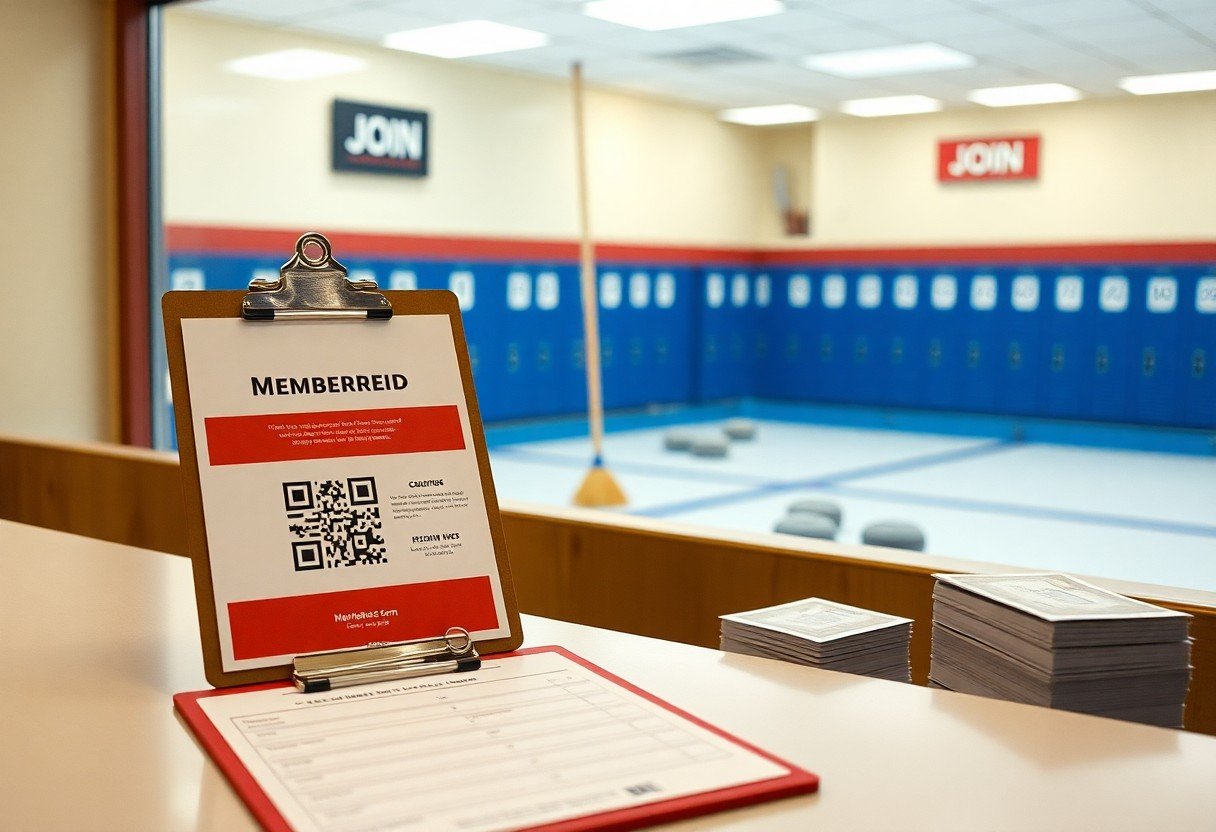
How to Find a Curling Club Near You
You can locate clubs using a mix of national directories, Google Maps, and local listings; search by your postal code and set a radius of 10-50 miles to compare options. National bodies like the World Curling Federation, Curling Canada, and USA Curling often link to member clubs, while club pages usually show rink hours, league types, and contact details. Call before driving: ice times change seasonally and some rinks limit drop-ins.
Online Resources and Directories
CurlingZone and national sites provide searchable club lists, maps, and event calendars; CurlingZone’s club pages often include league schedules and recent results. Social platforms like Facebook and Meetup host local groups where you can find learn-to-curl events and pickup games. Use filters for “beginner” or “rental equipment” and save contact emails; many clubs update openings weekly during peak season (Oct-Mar).
Local Sports Associations
State or provincial curling associations compile club directories, run coaching certification, and organize regional bonspiels-events commonly featuring 8-16 teams-so they’re a strong point of contact. Contact your parks & recreation department and community centres too; they often manage ice bookings and run recreational programs where you can join a beginner night or youth league. Associations can also advise on grants or reduced-fee programs.
When you reach out, ask specific questions: ice availability, typical membership fees, equipment rental, and volunteer expectations; seasonal beginner packages often cost between $50-$200. Request a club’s schedule for open ‘Try Curling‘ sessions and whether certified coaches run learn-to-curl classes-these sessions include basic safety instruction and loaner grippers for new players.
Factors to Consider When Choosing a Club
Balance practical needs and experience when choosing a curling club: assess ice quality, coaching, cost and schedule. Example metrics: many clubs run October-April seasons, offer 2-8 sheets of ice, and leagues field 6-10 teams. Compare fees ($100-$600/season), beginner clinics and youth programs. Look at nearby clubs like St. Louis Curling Club – Home for session times and events. Key factors include:
- Location & travel time
- Accessibility & parking/transit
- Club culture & leagues
- Costs & coaching
After you visit a practice and review schedules, decide which fits your goals.
Location and Accessibility
Prioritize convenient location so you can attend weekly; many members drive under 30-45 minutes to reach a rink. Check for on-site parking, evening public transit options, and whether peak-hour travel adds 10-20 minutes. Confirm session times match your work or family routine, and verify rink accessibility for gear drop-off and storage so your trips are efficient.
Club Culture and Community
Evaluate the club’s club culture by attending a mixer or open house to gauge friendliness, coaching style, and competitiveness; some clubs emphasize social play and monthly bonspiels while others focus on championship training. Ask about volunteer roles, frequency of social events, and how new members are mentored to see if your personality and goals align.
Clubs often run regular mixers, junior programs, and charity bonspiels-expect examples like weekly social nights, seasonal leagues (8-12 weeks), and volunteer commitments of about 2-4 hours/month for event support or ice maintenance; these details reveal whether the community rewards participation with coaching, camaraderie, and competitive opportunities that match your ambitions.
Tips for Joining a Curling Club
Try a short learn-to-curl session (many clubs run 6-8 week courses for $50-$100) to assess fit, attend a couple of drop-in practices to meet players, and ask about membership tiers and volunteer expectations; clubs often charge $100-$400 per season and offer discounts for students or families. Balance league commitments with practice-aim for one to two sessions weekly to improve. Recognizing how drop-in nights, mentorship programs, and volunteering accelerate your integration is important.
- Learn-to-curl sessions: book the beginner course first
- Equipment: ask about loaner gear before buying
- Practice frequency: target 1-2 sessions/week
What to Expect as a New Member
You’ll join a team of four for most leagues, play standard 8-end games, and quickly learn etiquette like keeping quiet during delivery and yielding to the hog line; many clubs pair you with a mentor and run novice leagues or bonspiels specifically for newcomers. Expect to sweep, rotate positions, and receive feedback from teammates and ice captains-your first season often focuses on basics: delivery, weight, and communication.
Getting Started with Equipment and Practice
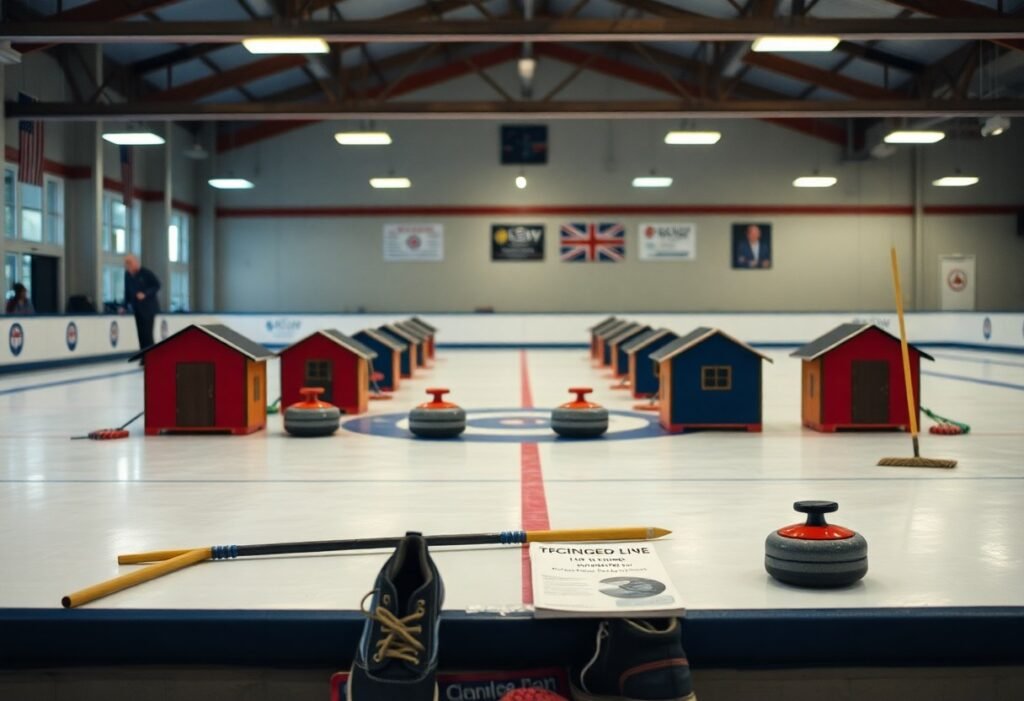
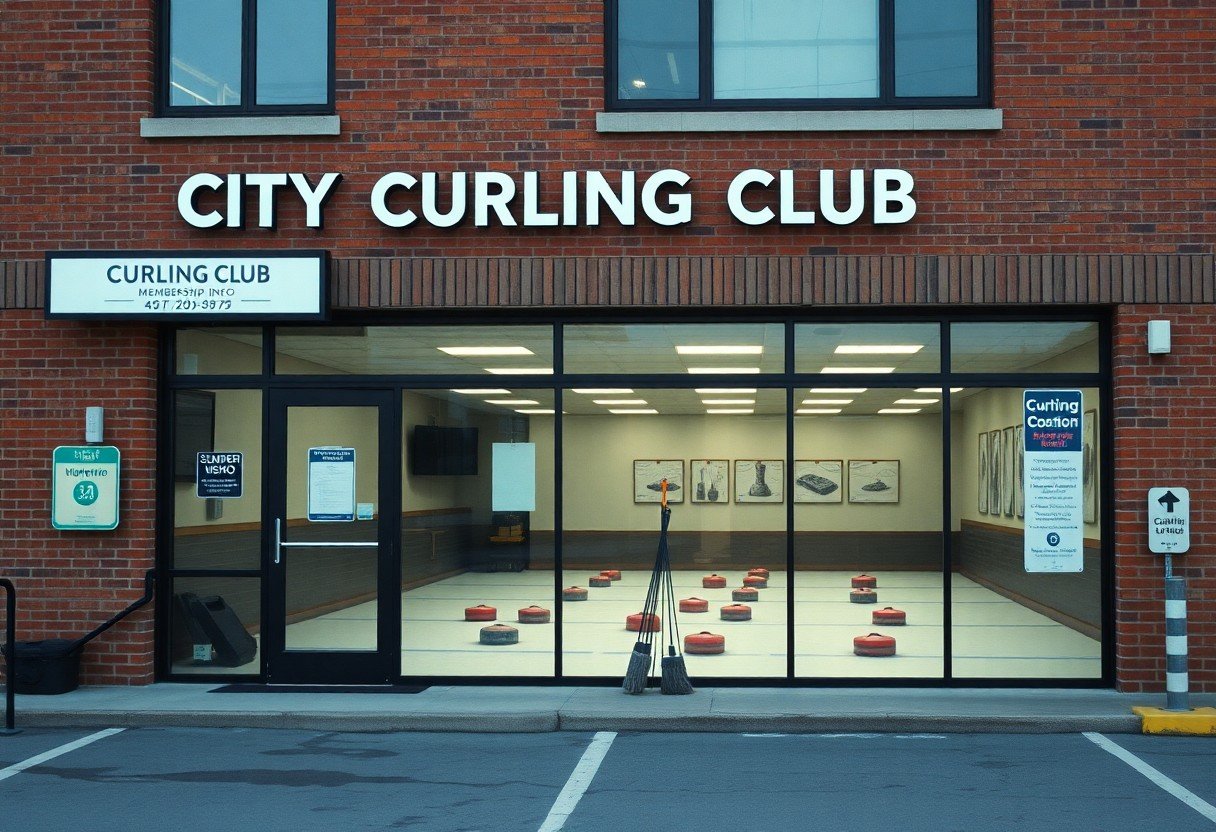
You can borrow shoes and a broom from most clubs while you decide what to buy-beginner gear costs roughly $150-$300 if purchased, with brooms $40-$200 and shoes $30-$150. Prioritize a comfortable slider and a mid-weight broom; practice twice monthly is fine, but progress accelerates with weekly drills focusing on delivery and weight control.
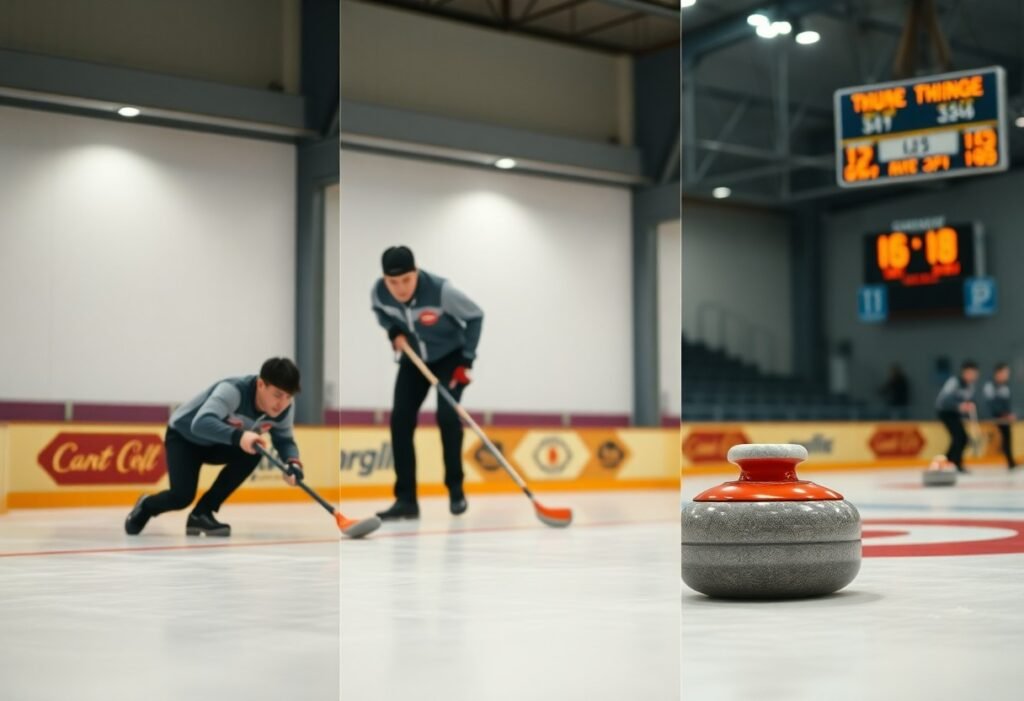
When you upgrade, pick a broom head suited to sweeping style (microfiber for aggressive sweepers, hair or hybrid for finesse), and choose a slider material that matches ice conditions-Teflon/glide pads work well on pebbled ice. Perform drills like 8-foot tee-line deliveries and 30-stone weight spots to build consistency; shooting 100-200 repetitions across a few weeks noticeably improves release and line. Handle curling stones with care-each weighs about 38-44 lb (17-20 kg), so use proper lifting technique to avoid injury-and consider a coach or video review (rates often $30-$60/hour) to shorten your learning curve.
Engaging with the Curling Community
Networking and Making Friends
Attend social nights and volunteer shifts to meet members; many clubs run 6-8 week newcomer leagues and weekly mixers that pair you with teammates of similar skill. You’ll meet people faster by scoring games, helping with ice prep, or coaching youth sessions. Joining raises your playing opportunities and builds team bonds and lifelong friendships.
Participating in Club Events and Competitions
Enter club bonspiels or weekly leagues to gain competitive experience; bonspiels can draw 12-32 teams and are often 8-end events. Expect entry fees of about $80-$300 per team, with standard teams of four and mixed doubles of two. Because curling stones weigh 38-44 lb (17.24-19.96 kg) and ice is very slippery, use grippers and proper lifting technique.
Plan to arrive 30-45 minutes before your draw for ice talk and quick practice; many clubs run 1-2 seasonal clinics and offer weekly practice slots. A typical 16-team bonspiel guarantees two games plus playoffs, so sign up early-events often fill within weeks. You’ll progress fastest by rotating positions, tracking game stats, and joining post-game strategy sessions.
Summing up
Drawing together the steps, you can locate nearby clubs, contact officers, attend a trial or open house, evaluate coaching, schedule and fees, complete membership paperwork, and start practicing regularly; prioritize the club that matches your goals, confirm equipment needs, and engage with members so your time advances your skills and enjoyment.
FAQ
Q: How can I find a curling club near me?
A: Use national and provincial/state curling association club locators, search Google Maps for “curling club” plus your city, and check local recreation department listings. Search social media for clubs or community groups, and ask at nearby ice rinks, universities, or sport shops that sell winter gear. If listings are sparse, contact regional associations by phone or email for recommended clubs and contact details.
Q: What should I do before visiting a club for the first time?
A: Check the club’s website or call to confirm open houses, learn-to-curl sessions, or drop-in times. Ask about dress code (warm, layered clothing and non-marking shoes or grippers), arrival time (plan to arrive 15-30 minutes early), whether equipment is available to borrow, and any required waivers or memberships. Read brief rules online so you know what to expect on the ice and who to contact on arrival (club pro, ice captain, or volunteer greeter).
Q: What membership types and fees should I expect?
A: Clubs commonly offer full/competitive memberships, social or associate memberships, student and junior rates, family plans, and pay-as-you-go drop-in options. Fees may include an initiation fee, annual dues, league fees, and occasional ice or coaching surcharges. Many clubs offer trial rates, sliding scales, or volunteer-hour discounts; ask about payment plans, what fees cover (insurance, ice time, bonspiels), and any extra costs for equipment or coaching clinics.
Q: What beginner programs and coaching are available to help me learn?
A: Look for “Learn to Curl” sessions, beginner clinics, novice leagues, and weekly practice times led by certified instructors or experienced club members. Junior programs, women’s and mixed beginner leagues, and one-off clinics before league start are common. Clubs may pair new curlers with experienced players for game-day mentoring. Ask about progression paths from introductory sessions to regular league play and about coach credentials if you want structured skill development.
Q: What on-ice etiquette and basic rules should I follow when joining a club?
A: Observe safety around the ice, keep voices low while shots are being delivered, and follow the skip’s direction. Wear appropriate footwear and avoid dirty or studded soles. Do not cross the hog line until delivery rules permit, and handle stones gently. Respect scheduled ice times, arrive prepared to play or sweep, return stones to the rack when finished, and follow the club’s policies on alcohol, spectators, and children. If unsure about a rule or role, ask the ice captain or a teammate before play.