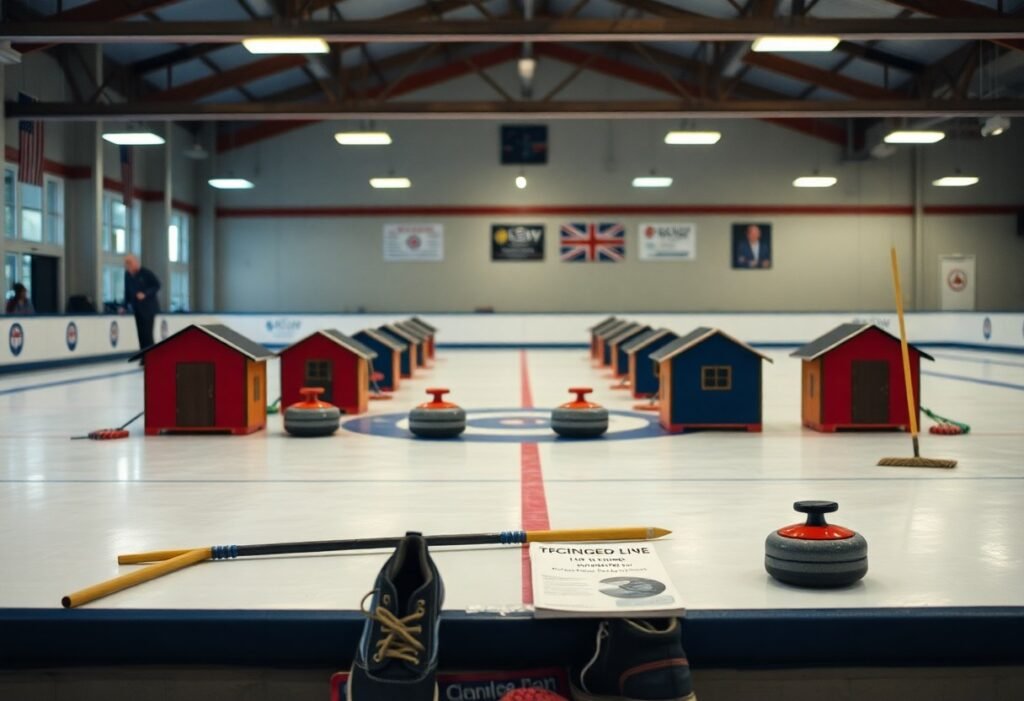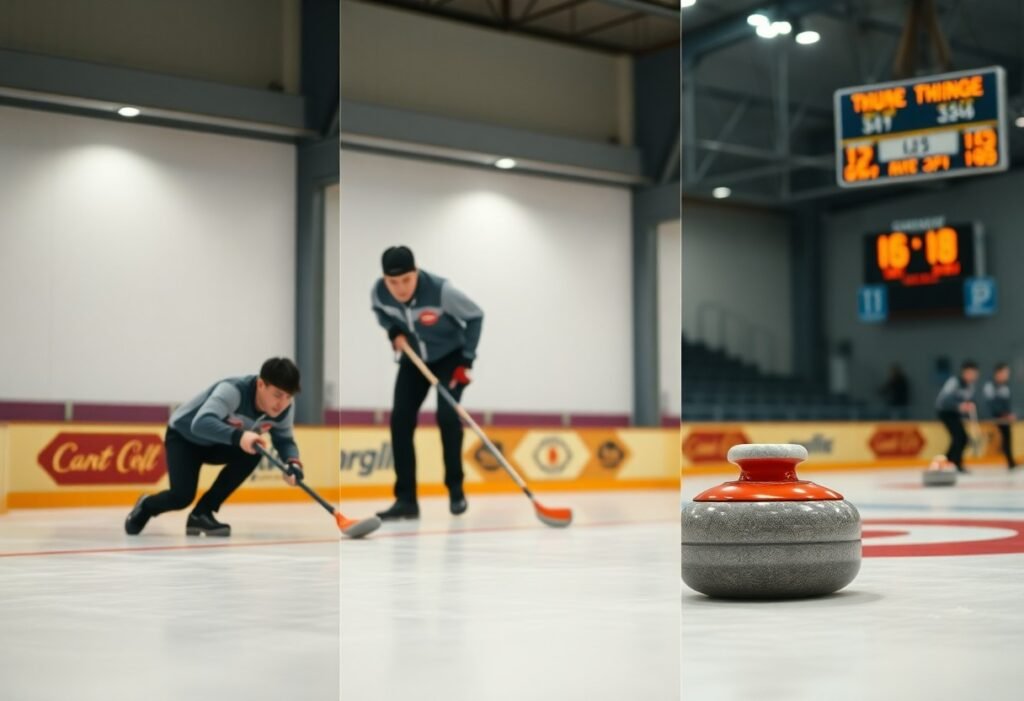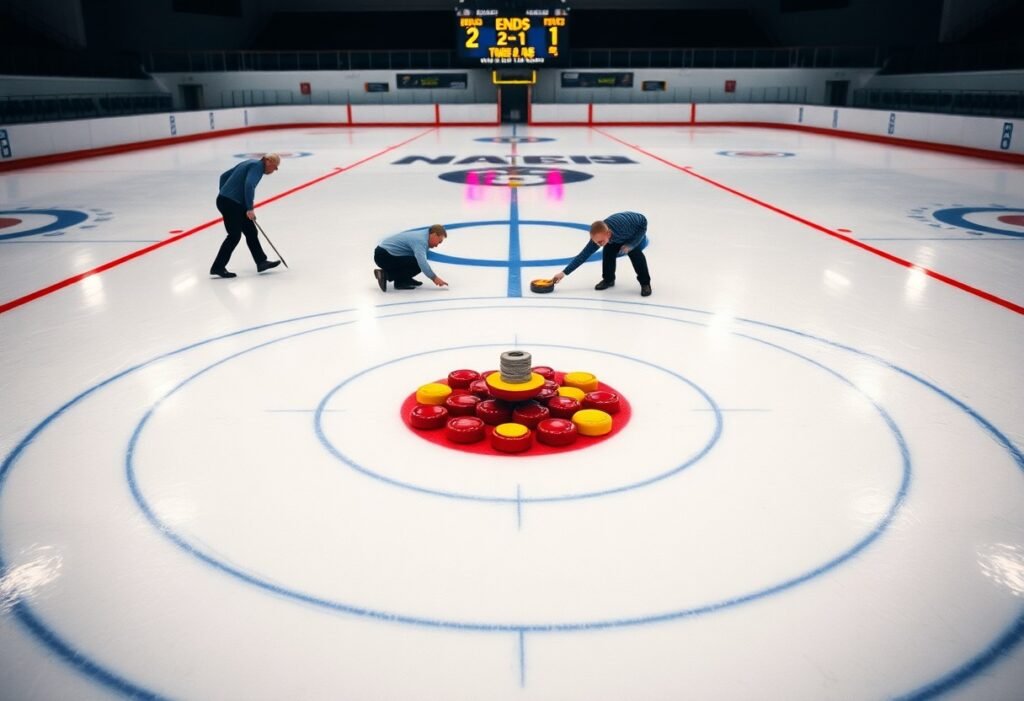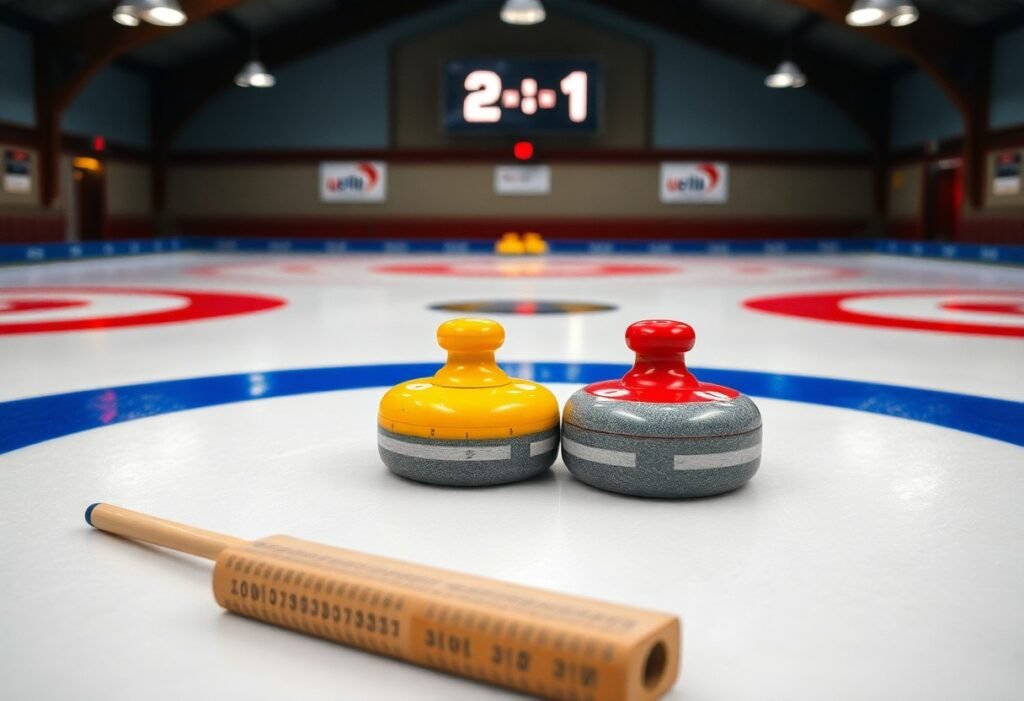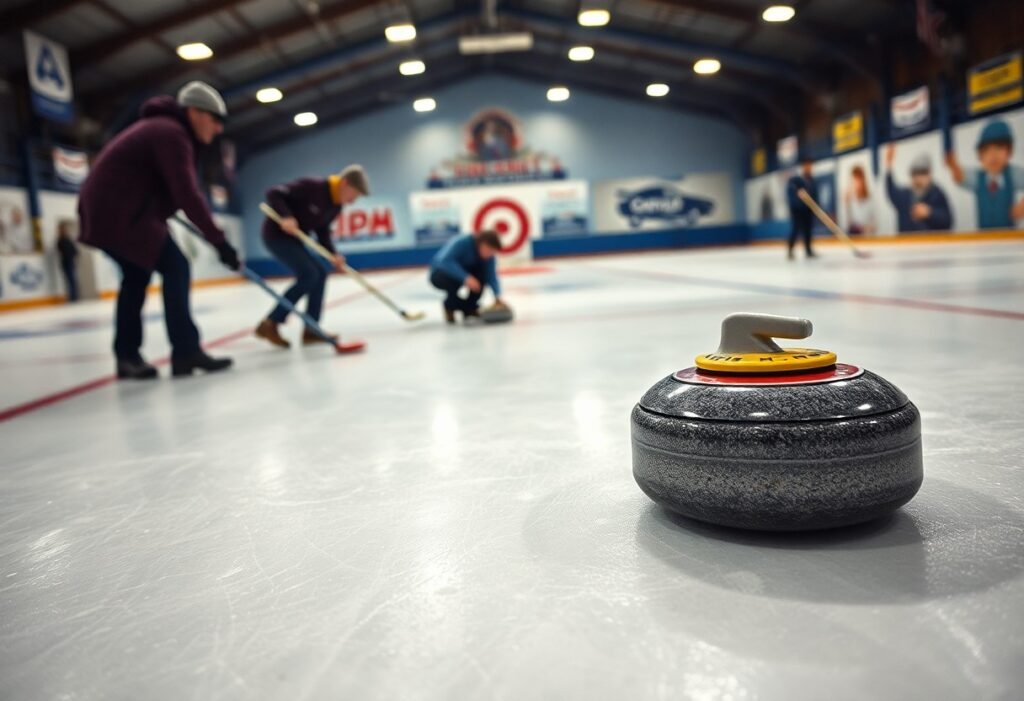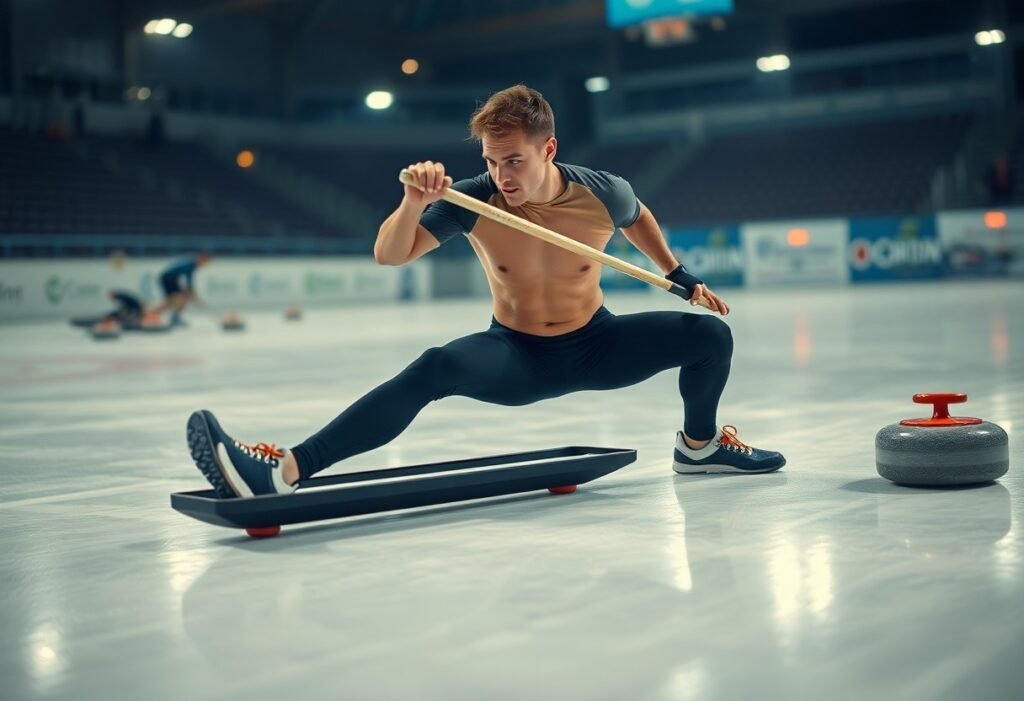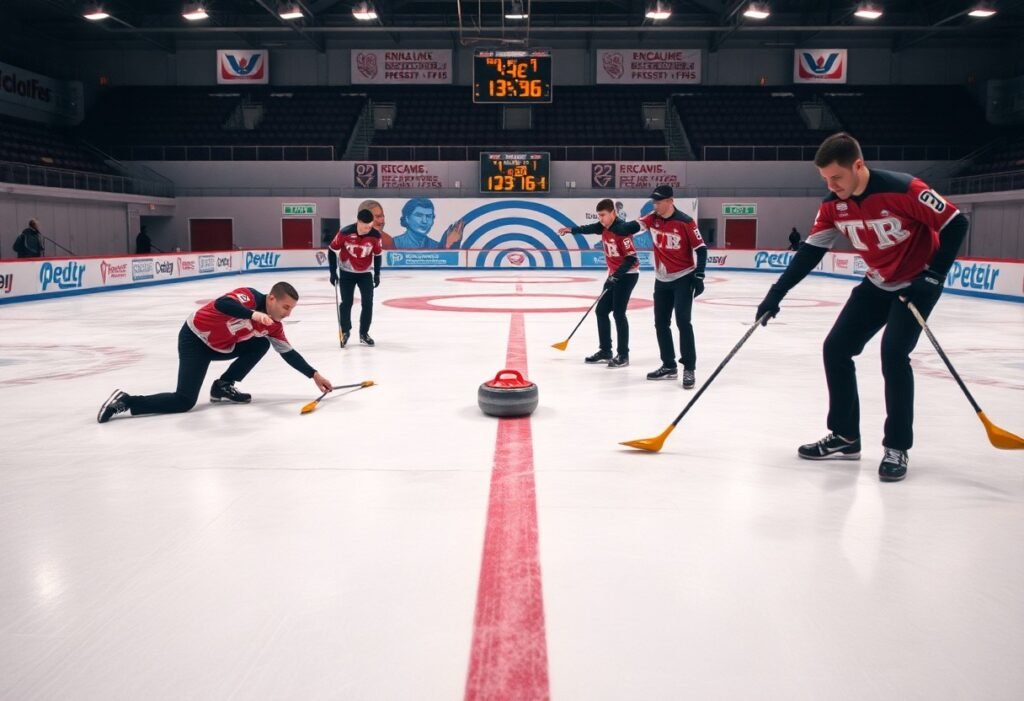

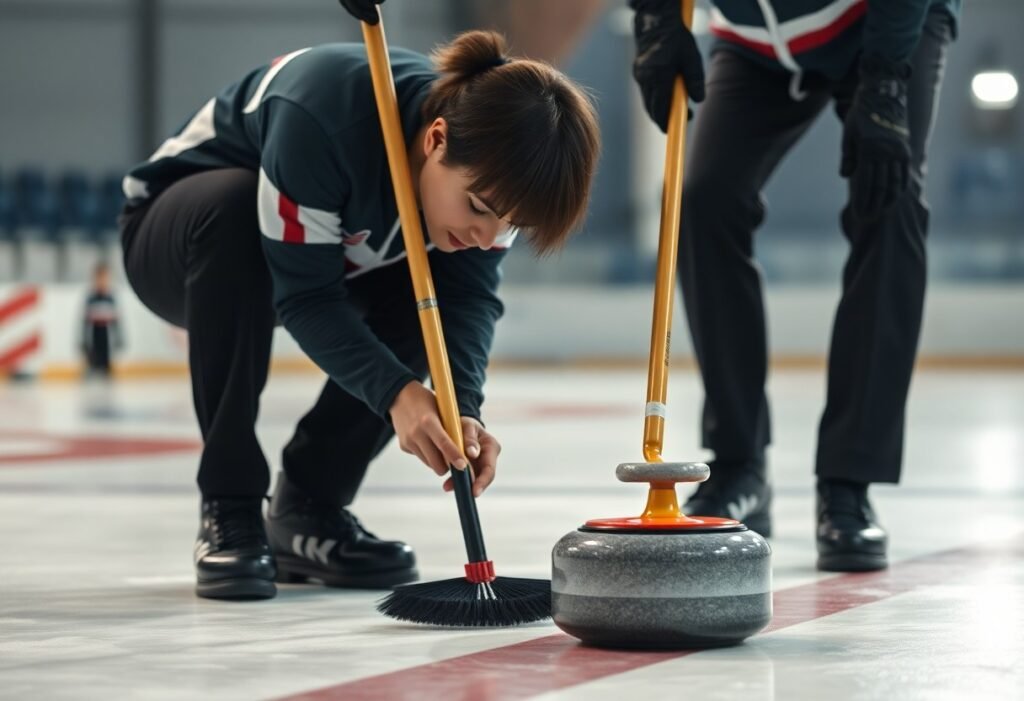
Many times your sweep determines a stone’s destiny, so you must apply firm, steady pressure with a low, stable stance, keep your broom angled to peel frost and debris, and communicate constantly with your skip and teammate. As you sweep, monitor the ice for chips and avoid overreaching to reduce the risk of slipping or shoulder strain; develop a brisk, consistent tempo to influence distance and curl without exhausting yourself.
Key Takeaways:
- Maintain a low, balanced stance with weight over the broom, driving with the legs and keeping the body aligned to deliver steady, controlled power.
- Use fast, short, flat strokes with the broom head slightly forward; apply consistent pressure and vary intensity to manage stone speed and curl.
- Communicate constantly with the skip and teammate; sweep immediately on calls, stop when signaled, and synchronize tempo for effective, energy-efficient sweeping.
Understanding the Basics
When you’re reading a shot plan, the sheet’s 44.5 m length and the 1.83 m house set the physics you manage: each 19.96 kg stone rides a pebble-textured surface while two sweepers and a skip negotiate speed and line. You and your teammates split roles-thrower, two sweepers, skip-to control weight, rotation and ice reads so that inches, not meters, decide ends in high-level play.
What is Curling?
On the ice you slide a granite stone 44.5 m toward a 1.83 m-diameter house, delivering two stones per end within a four-player team; shots combine weight, rotation and precise ice reads. You must sync release and sweeping so the stone’s running band follows the intended line, because strategic placement and subtle adjustments often trump brute force in competitive scoring.
Importance of Sweeping
Sweeping lets you modify a stone’s travel by melting pebble to reduce friction, commonly adding about 0.6-0.9 m (2-3 ft) and altering curl by roughly 1-2 degrees. You and your partner adjust pressure and tempo-elite sweepers often sustain efforts for 15-25 seconds-to hold a draw or push a guard; poor timing or miscommunication can leave shots inches short or create a collision risk.
When you sweep, start immediately in the stone’s path and focus strokes ahead of the running band; heavier, brisk strokes increase distance while lighter, steady strokes manage curl. Communicate continuous calls-“hard” or “ease”-so the skip can adapt weight, and include 20-30 second high-intensity drills in practice to build power while avoiding overuse injuries from repetitive loading.
How to Sweep Properly
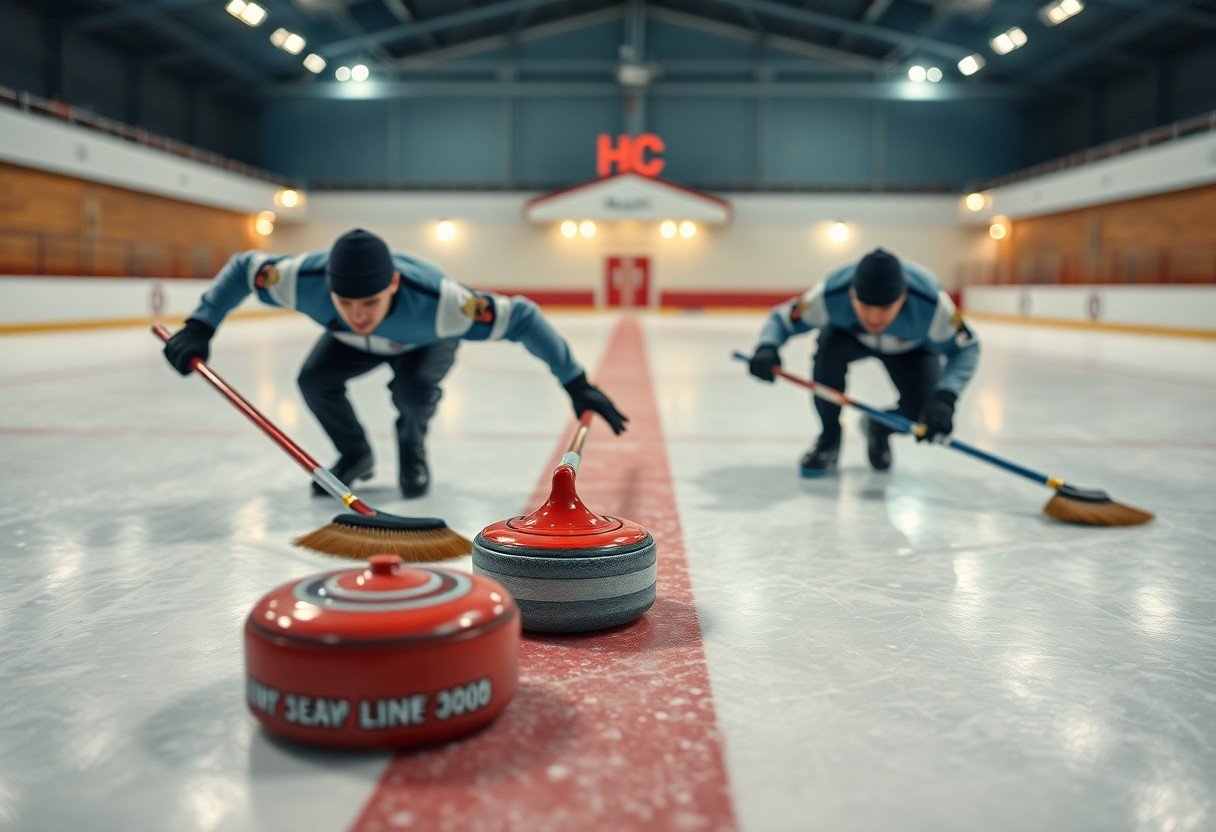
When you sweep you directly change the stone’s speed and curl; sweeping can add about 2-3 feet to a draw and reduce curl by up to ~30%. Focus on consistent pressure, clear calls, and directional control-see practical discussions like Directional sweeping : r/Curling for real-player examples of how sweeping choices alter outcomes.
Proper Techniques
You should use a low, athletic stance with hips back and shoulders over the broom, driving with your legs while keeping wrists firm; apply steady, brisk strokes at about ~2 strokes/sec for most shots. Two sweepers coordinate pressure and tempo, and you must avoid overreaching or sudden twists that risk a fall-use the broom angle to limit curl without grinding the pebble.
Timing Your Sweeps
Begin sweeping as the stone crosses the near hog line and adjust intensity depending on the shot: for draws you start earlier and sustain longer, for takeouts you give shorter, intense bursts to preserve line. Communicate constantly with your skip and partner so you can change sweep intensity by seconds rather than guessing.
For example, if a draw needs an extra 2-3 feet, you should increase stroke rate and pressure for the middle 4-8 seconds of the shot; conversely, when defending a guard you may stop sweeping earlier to allow natural curl. Practicing timed starts and stops on set distances (10, 20, 30 meters) sharpens your judgment under match conditions.
Tips for Effective Sweeping
You should maintain a low, stable stance and apply brisk, short strokes so the ice warms evenly while the stone travels; two sweepers usually coordinate to share pressure and change tempo as the skip calls weight. Practice timed drills where you sweep for 10-20 seconds after release on draws and give line updates every few seconds; monitor pebble quality as temperature changes and avoid overworking soft ice. The most consistent teams sync sweep timing precisely with the skip’s visual feedback.
- brush choice – test head materials on your arena
- sweep pressure – firm, controlled force that avoids burning the ice
- stroke tempo – short, rapid strokes for heavy weight; longer for finesse
- communication – concise, frequent calls from the skip and sweepers
Choosing the Right Brush
You should match brush heads to ice conditions: synthetic pads clear frost faster and suit modern pebble, while trialing different heads helps you feel feedback; swap worn pads after about 10-15 games or when fibers flatten, and pick a handle length that preserves your posture so you can sustain pressure through long ends. Try a directional pad on heavily pebbled sheets and log results to know which setup wins close games.
Communicating with Your Team
You must use short, standardized calls like “line”, “weight”, and “hard”, giving updates every 3-4 seconds on tight shots so sweepers can adjust immediately; confirm the skip’s instruction with a quick nod or broom tap before committing, and keep your voice calm to avoid conflicting orders that waste energy or cause hesitation.
Establish a pregame code for edge cases-assign words like “clean” for stop and “nose” for straight-and rehearse them in practice; incorporate nonverbal signals (two taps = increase effort, one tap = maintain) when ice noise is high, and run scenario drills where you simulate late-line calls so everyone reacts within one second; excessive or delayed calls often lead to burned ice or missed shots, so prioritize clarity and timing.
Factors Influencing Sweeping Effectiveness
You must adjust sweeping based on variables like sweeping intensity, ice texture, stone weight, speed, and initial rotation. Teams monitor pebble wear-after about 10-12 stones in the same track many sheets show measurable change-so you modulate brush angle and cadence rather than brute force. Elite squads prefer coordinated bursts of 12-18 seconds to alter line without overheating the surface. This governs whether you push hard or ease off to protect the shot.
- Ice temperature (typically between -3°C and -5°C)
- Pebble condition (droplet size ~1-2 mm; flattens with traffic)
- Stone weight (38-44 lb / 17-20 kg)
- Delivery speed and hog-to-hog timing as quick cues
- Rotation (more RPM increases sensitivity to sweeping)
Ice Conditions
You rely on subtle cues: sheet temps around -3°C to -5°C and pebble droplets near 1-2 mm create predictable glide, while higher humidity can generate frost that makes rocks grab suddenly. When the pebble flattens after repeated play you’ll notice the stone track straightens; in that case you reduce sweep intensity or shorten bursts to avoid shiny, low-friction zones that can send a shot wide.
Stone Weight and Speed
You adapt sweep pressure to a stone weighing 38-44 lb (17-20 kg); heavier stones carry more momentum and resist rapid course changes, so you often use sustained, steady sweeps rather than frantic brushing. If the delivery is faster, switch to shorter, crisper strokes to control line without overheating the pebble; many teams judge weight by quick hog-to-hog cues from the skip.
Deeper detail: sweeping works because you slightly melt the pebble, lowering friction and extending carry-your sustained 10-15 second efforts can add measurable feet on medium-weight rocks, while short bursts shift line for high-rotation shots. Be aware that over-sweeping creates shine that reduces future grip and increases the chance of a grab, so you balance gain versus longer-term ice degradation when deciding how aggressively to sweep.
Common Mistakes to Avoid
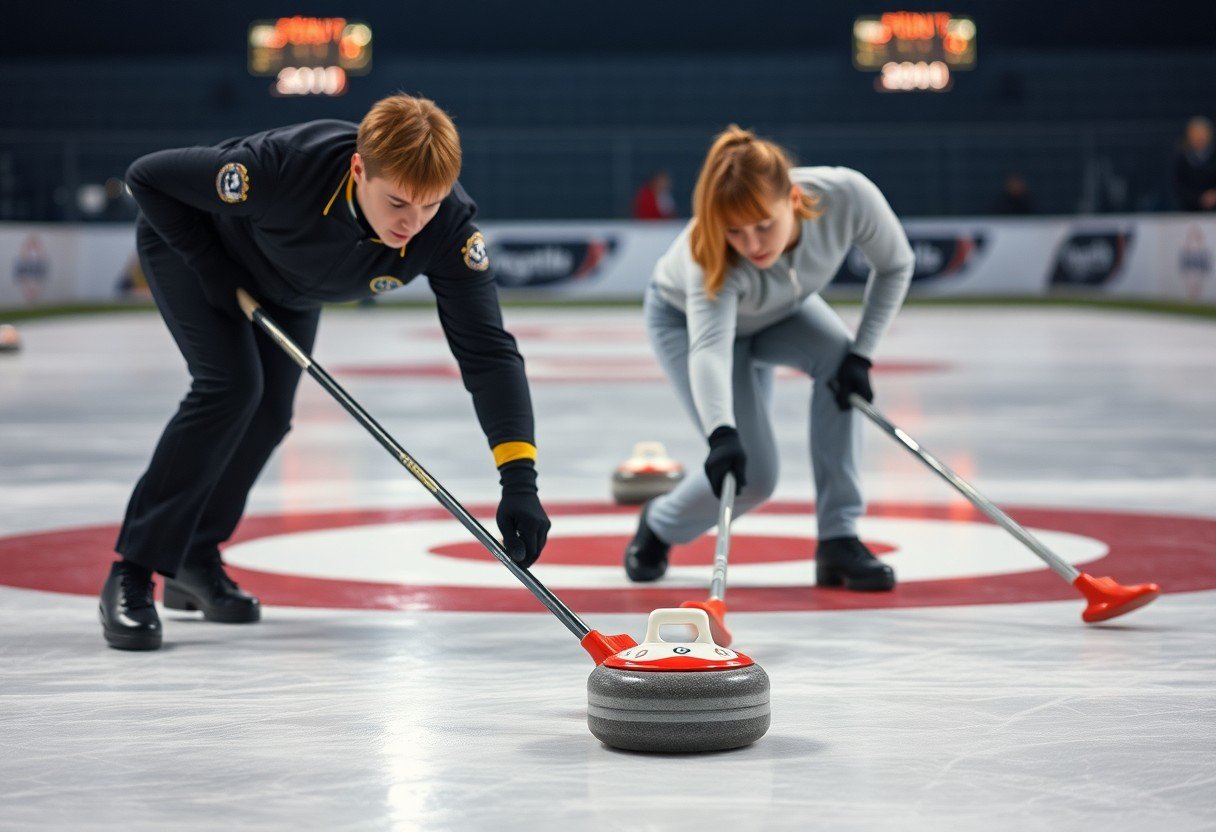
You often misjudge sweeping intensity and line, causing the most costly errors: over-sweeping that removes needed curl, and misreading distance on a 146‑ft sheet with a 12‑ft house. Small errors-just a few feet or inches of curl-regularly flip ends, so focus on precise calls, consistent hog‑to‑hog checks, and clear communication with your skip.
Over-Sweeping
When you sweep too hard or too long you can extend a stone by several feet and erase the curl the skip planned; that sudden straightening turns a guard into an unwanted draw. Manage pressure by keeping strokes brisk, angle the brush to reduce heat buildup, and stop sweeping once the stone passes the skip’s broom to avoid wasting energy and altering the line.
Misjudging Distances
Failing to judge weight and ice speed on a 146‑ft sheet with a 12‑ft house leads you to miss by feet: draws that should finish in the rings stop short, or hits sail through. Use hog‑to‑hog timing and reference marks; if your stone is 3-6 feet short on the first two throws, adjust release speed and broom placement accordingly for the rest of the end.
Practice by measuring finish points over several ends: note where a “normal” draw stops relative to the tee and record hog‑to‑tee checkpoints; track changes in ice between morning and evening. Give immediate feedback-tell your skip “short by three feet”-so you can tweak release speed, turn rate, or broom angle and avoid repeating the same distance error.
Practice Drills for Improvement
Use short, focused sessions of 10-15 throws with 30-60 second rests, alternating tempo work and finish-zone targeting so you can quantify gains. In practice you should log distance changes: vigorous sweeping can add up to 3 meters (≈10 feet) to a stone’s travel. Aim for 3 ice sessions and 2 off-ice conditioning sessions per week, set measurable goals (for example, reduce deviation by 20% on a given draw) and track progress with video and a tape measure.
Partner Drills
Start paired timing drills where you and your partner sweep the same stone for 6-8 throws while using a metronome at 110-130 BPM to match cadence. Alternate roles every 5 stones, run 3 sets of 10 stones with one sweeper emphasizing power and the other guiding direction, and practice calling ice changes with a two-digit code. Use a tape measure to record distance gains and aim to synchronize strokes within 0.5 seconds to maximize consistent results.
Solo Practice Techniques
Practice off-ice repeats with a weighted broom or resistance band for 5-10 minutes, then use a metronome set to 110-130 BPM to keep stroke tempo steady. On ice, simulate 10-15 sweeping strokes per stone focusing on elbow extension, low stance and consistent broom angle; film sessions to analyze rhythm and body position. Progress volume gradually, include short sprints to mimic match heart rates, and log reps so you can track improvement.
For deeper solo work, break sessions into technical, endurance and power blocks: begin with 5 sets of 20 dryland stroke reps filmed from two angles-check that your broom tilt is roughly 20° and that elbow extension is consistent. Then do on-ice endurance: 10 stones at match pace with 30-second recovery, repeat 3 times, followed by power sprints using a weighted broom or bands (6×30s). Increase training load by no more than 10% per week to limit overuse, and reduce volume if you feel persistent pain or excessive fatigue.
Summing up
From above, you consolidate the fundamentals of effective sweeping: adopt a low, stable stance, apply firm, rapid brush strokes along the stone’s intended line, communicate clearly with your skip and sweep partner, and modulate pressure and tempo to influence speed and curl for precise placement.
FAQ
Q: What is the proper stance and body position for effective sweeping?
A: Adopt a low, athletic stance with knees bent, hips back, and chest slightly forward. Place one foot ahead of the other for balance; push off the back leg and drive with the legs rather than the arms. Keep the core engaged and shoulders square to the broom line. Hold the brush with one hand near the top of the handle and the other lower for control; keep the brush head flat on the ice and your weight centered over the broom to maximize contact without overreaching.
Q: How should I apply pressure and angle the broom to influence distance and curl?
A: Keep the brush head flat to the ice and use body lean and leg drive to generate pressure. Sweeping reduces friction, so sustained firmer pressure generally makes the stone travel farther and reduce its curl. Use steady, even pressure rather than sudden, uneven force; avoid digging the brush into the ice. If the skip asks for less effect, lighten pressure while maintaining brush contact to subtly change distance and curvature.
Q: What brushing strokes and tempo work best in most ice conditions?
A: Use rapid, short strokes with consistent tempo-quick, vigorous brushes rather than long slow sweeps. Aim for a brisk rhythm that keeps the brush fibers in contact with the ice without stalling. Adjust stroke length and speed to ice speed: faster ice may need slightly fewer, stronger strokes; slower ice needs more frequent brushing. Coordinate strokes between sweepers so both move in sync and maintain constant contact.
Q: How should sweepers communicate and time sweeping during a shot?
A: Establish clear verbal calls and visual signals before play. The skip typically calls line and weight; sweepers provide live feedback on stone speed and path. Use concise calls such as “hard,” “easy,” “tight,” and “stop” and echo the skip’s instructions. Start sweeping immediately after release if needed, monitor the stone’s trajectory, and adjust pressure per the skip’s guidance. Stop sweeping instantly when instructed to avoid altering the intended outcome.
Q: How can I conserve energy and avoid injury while maintaining sweeping effectiveness?
A: Use legs and core for power instead of relying solely on the upper body, alternate roles between ends or among teammates to spread workload, and keep shifts short and intense. Warm up dynamically before matches, stretch hips and shoulders, stay hydrated, and maintain good posture to reduce strain on the lower back. Practice efficient technique-low, powerful pushes and coordinated strokes-to get maximum effect with minimal wasted motion.