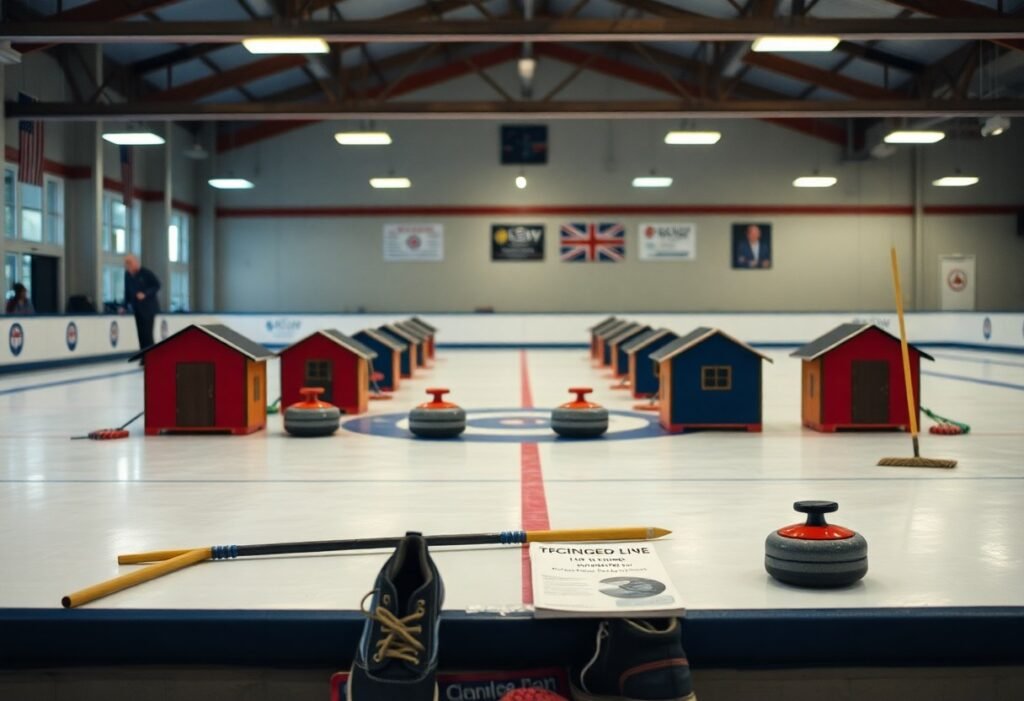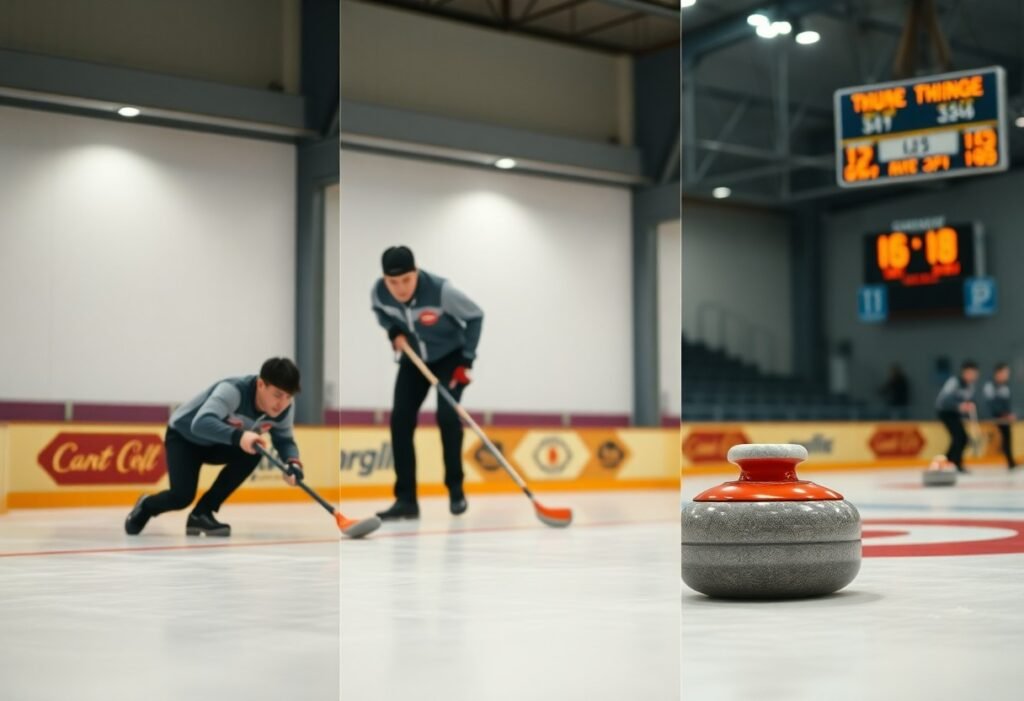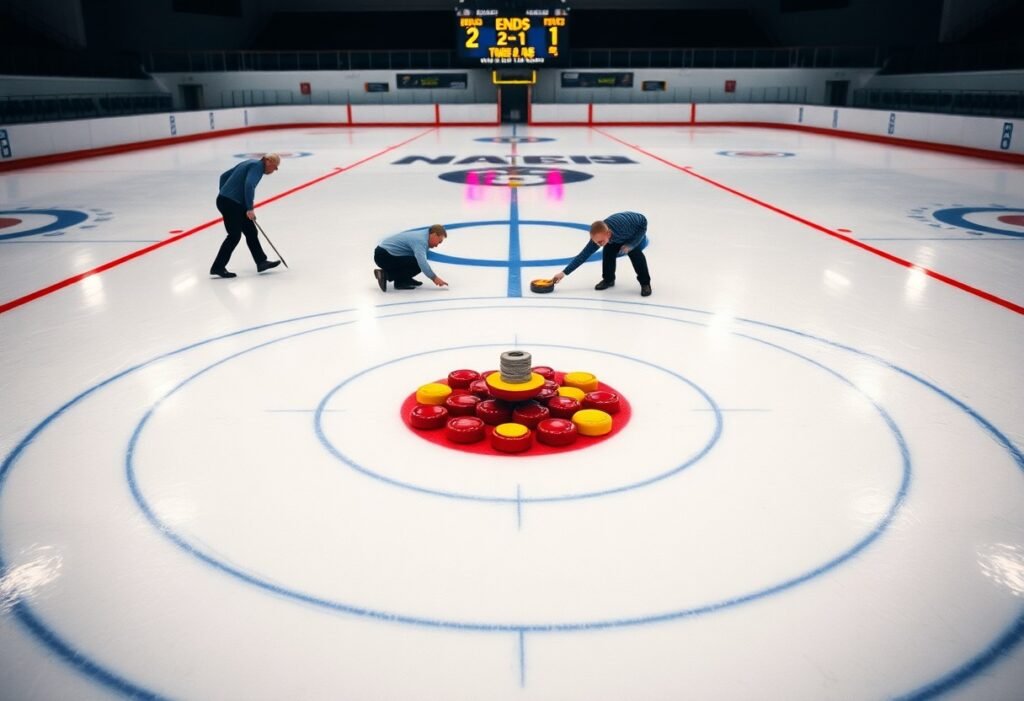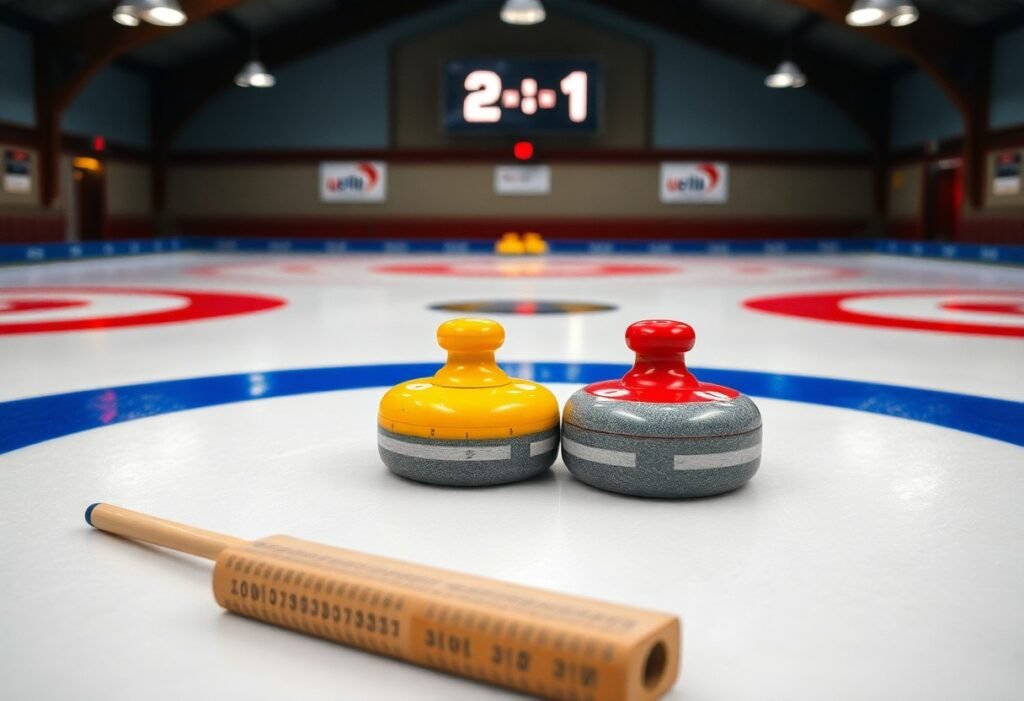

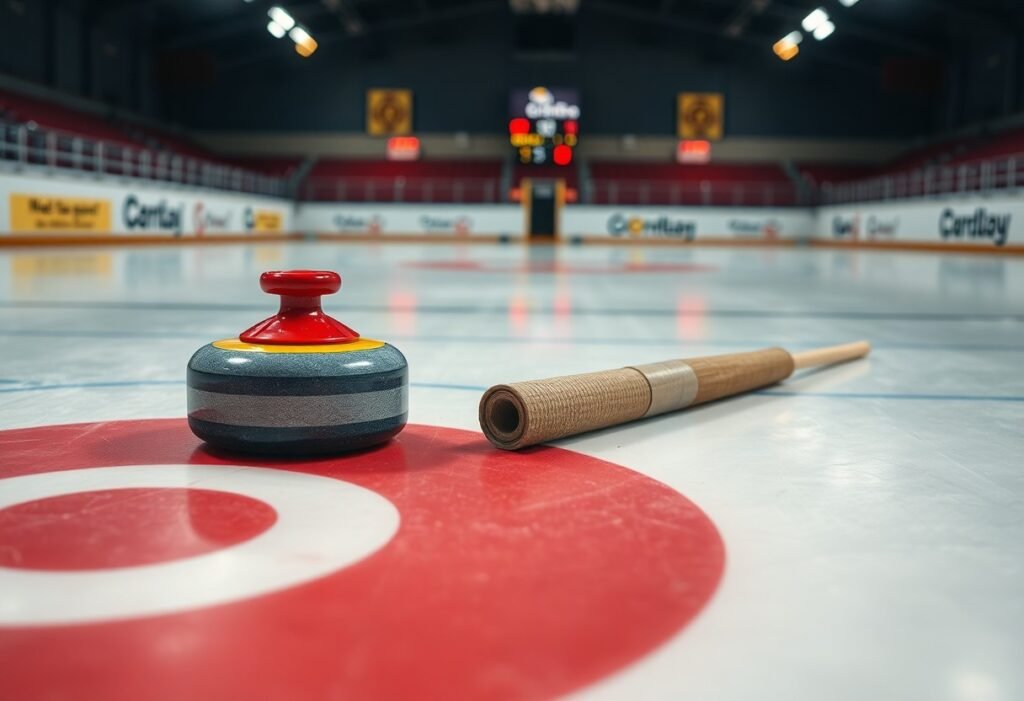
There’s a handful of terms that will make your time on the ice clearer and safer: learn the hog line and house, know when a takeout or draw is called, and trust your sweepers to control speed and direction. Understanding roles like skip, lead, and vice lets you follow strategy and avoid risky moves, so you can play confidently and improve your scoring.
Most of your time on the ice will be more effective if you learn key terms-hogline, draw, takeout, end and hammer-that govern play and safety; understanding the hammer and scoring is the most important detail, slips on ice and fast-moving stones pose the main dangers, and grasping this vocabulary immediately improves your teamwork and shot-calling.
Key Takeaways:
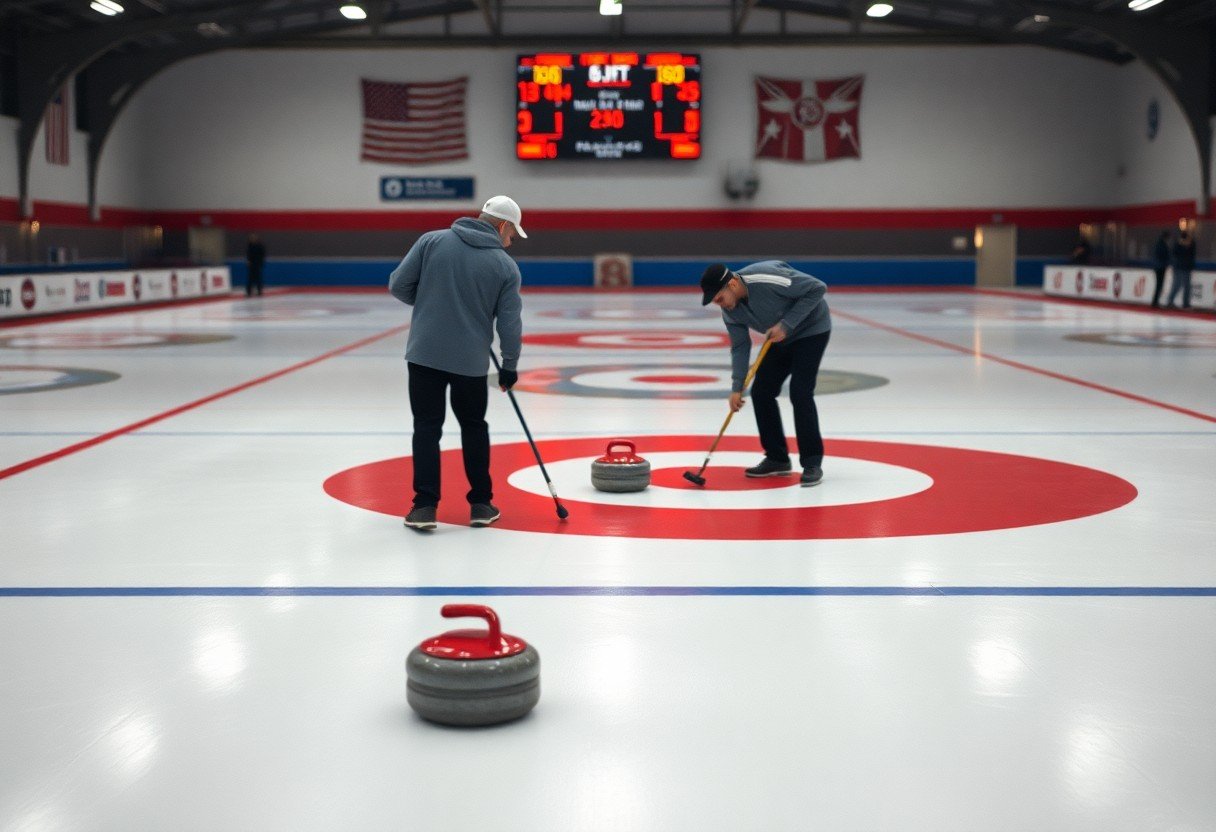
- House & button: the house is the circular scoring area and the button is its center; stones closest to the button score, with hog and tee lines governing legal delivery and stone placement.
- End, hammer, draw vs takeout: an end is a scoring segment; the hammer is last-stone advantage; a draw places a stone, while a takeout removes an opponent’s stone.
- Sweeping, curl & positions: sweeping reduces friction to make a stone travel farther and curl less; the skip calls shots and strategy while lead/second/third deliver stones and handle most sweeping.
Key Takeaways:
- House and button: the concentric rings (the house) determine scoring; stones closest to the button (center) score.
- Hog line and tee line: a stone must be released before the near hog line and must cross the far hog line to count; the tee line marks the house center for shot placement.
- Shot types and roles: draw (place a stone), takeout (remove an opponent’s stone), and guard (block) are common shots; the hammer is last-stone advantage and the skip directs strategy and calls shots.

Basic Terminology
You’ll want to lock down terms that directly affect shot choice, ice timing, and safety: hog line, house, draw weight, and sweeping technique alter outcomes by inches. In competitive play, teams manage margins of error under 12 inches routinely, and understanding which terms change those inches helps you call shots and avoid risky moves near the hacking area where slips cause injury.
Curl
Curl is the sideways motion a stone takes as it travels, driven by the small rotation you impart at release-called an in-turn or out-turn. Sweeping ahead of the stone lowers friction, which both extends distance and often reduces curl; depending on ice conditions, sweeping can change the line by a few inches to over a foot, so you use sweep calls and rotation to navigate guards and set up angles.
Stone
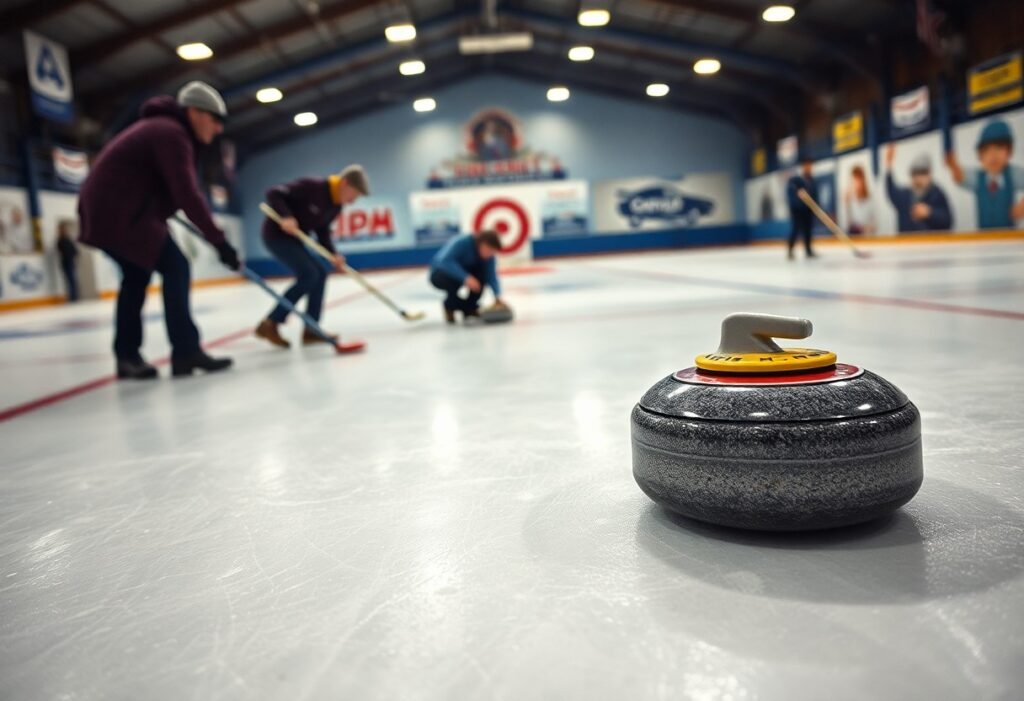
The stone is a 38-44 lb (17.24-19.96 kg) polished granite implement about 11 inches in diameter with a handle that indicates team color; its weight makes handling and safety important. Manufacturers use dense Ailsa Craig or similar granites for consistency, and the stone’s running band-the narrow contact ring-determines how it reacts to ice and sweeping.
Each team delivers eight stones per end, so matches use 16 stones; their balance, minor chips, or surface wear can change curl and speed noticeably. Ice technicians sometimes rasp or reface the running band to restore performance, and stones can last decades with care-an advantage, but also a reason to inspect equipment regularly for damage that could alter shots.
Basic Terms
You’ll get comfortable faster if you know a few foundational pieces of gear and ice layout: stones, sheet features, the hog and tee lines, and where the skip positions. This section focuses on the physical items you touch and stand on so you can spot tactical cues during play, judge shot speed, and avoid hazards like falls or heavy-impact contacts.
Stone
A curling stone is a precision piece of granite weighing 38-44 lb (17-20 kg); most competition stones come from Ailsa Craig for consistent density and curl. You handle it by the colored handle atop a polished running band that contacts the ice, and you control its path with release rotation and sweep timing. Treat it as heavy equipment: misthrows or dropped stones can cause injury and ice damage, so use proper technique and team communication.
Sheet
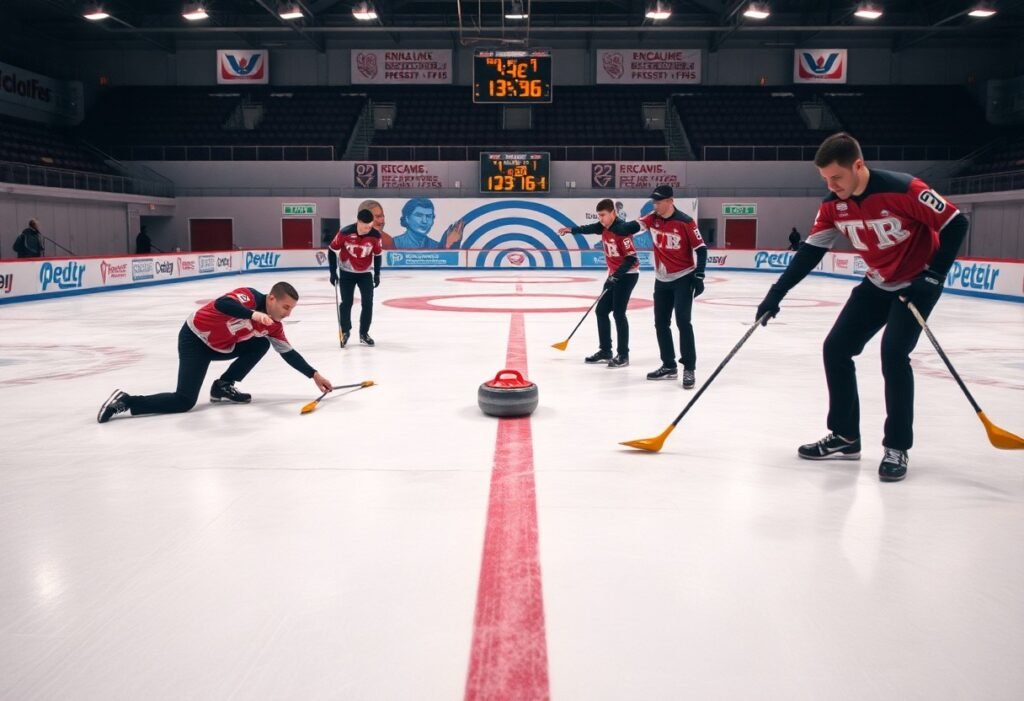
The sheet is the playing surface, roughly about 150 ft (46 m) long and 15 ft (4.6 m) wide, with hacks at each end, hog lines, a center line, and the house. Its textured “pebble” creates the friction that makes stones curl; that same texture makes the ice easily slippery, so you should use grippers and pay attention to traffic near the hog line to avoid collisions. Ice techs maintain pebble and temperature to control stone speed.
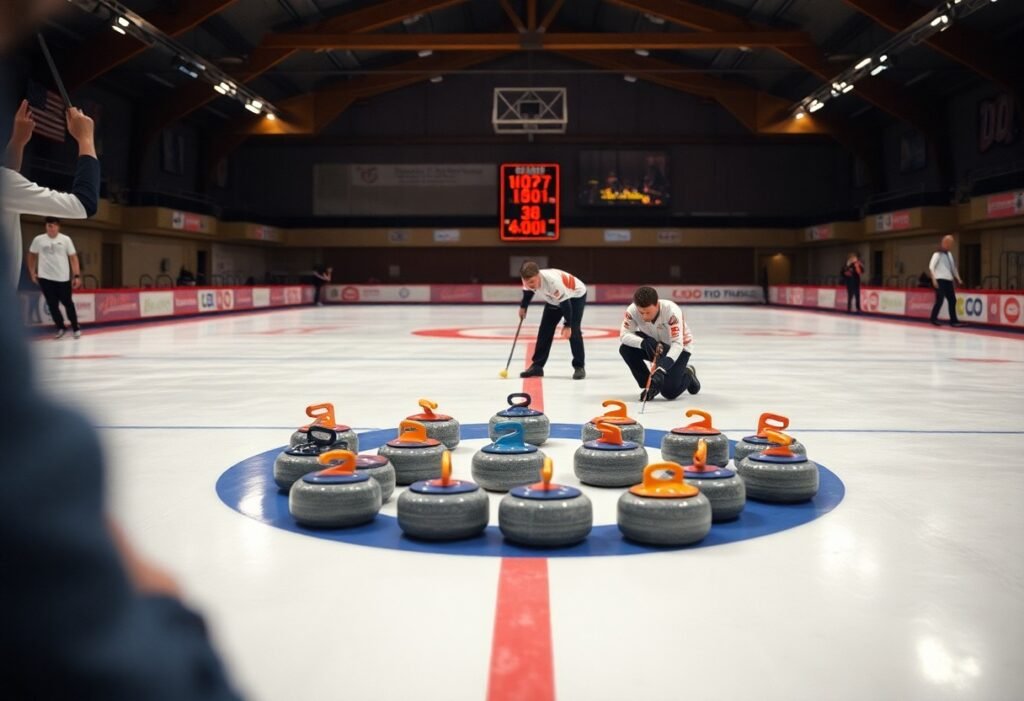
More specifically, the house consists of concentric circles with the outer ring a 12-foot diameter target, and the tee line and button define scoring zones you aim for. Ice prep-scraping, pebbling, and occasional flooding-changes how much a stone curls and how far it runs, so when you play different rinks you’ll often need to adjust weight and release by a few feet compared with your home ice.
Game Structure
Games are organized into a set format that shapes strategy and pacing. Most adult events use either 10 ends (Olympics, World Championships) or 8 ends (club play and many bonspiels); mixed doubles commonly play 8 ends. Each end gives both teams a chance to score, and tied games go to an extra end-sudden-death-until someone scores, so your late-end decisions often determine the match outcome.
Ends
An end is like an inning: each team delivers all its stones, then you count points. In traditional four-person curling each side throws eight stones per end (four players × two), while mixed doubles use five stones with two pre-placed stones. The team holding the hammer (last stone) has the advantage, and stolen points occur when you fail to convert that advantage into scoring.
Rounds
Rounds denote scheduled match sessions and tournament stages: a round-robin where teams play many opponents, followed by playoffs-quarterfinals, semifinals, and the final. At the Olympics you’ll see a 10-team round-robin (each team plays nine games); many national and world events use 12-team formats. Your placement and tie-breakers decide who advances to knockout rounds.
Tournament rounds are run as timed “draws,” so you might play two games a day during a busy bonspiel; a standard 10-end match typically lasts 2-2.5 hours. Extra ends and tie-breaker games can lengthen the day, and changing ice between draws affects stone behavior, so you must manage rest, nutrition, and warmups to maintain consistency across rounds.
Gameplay Vocabulary
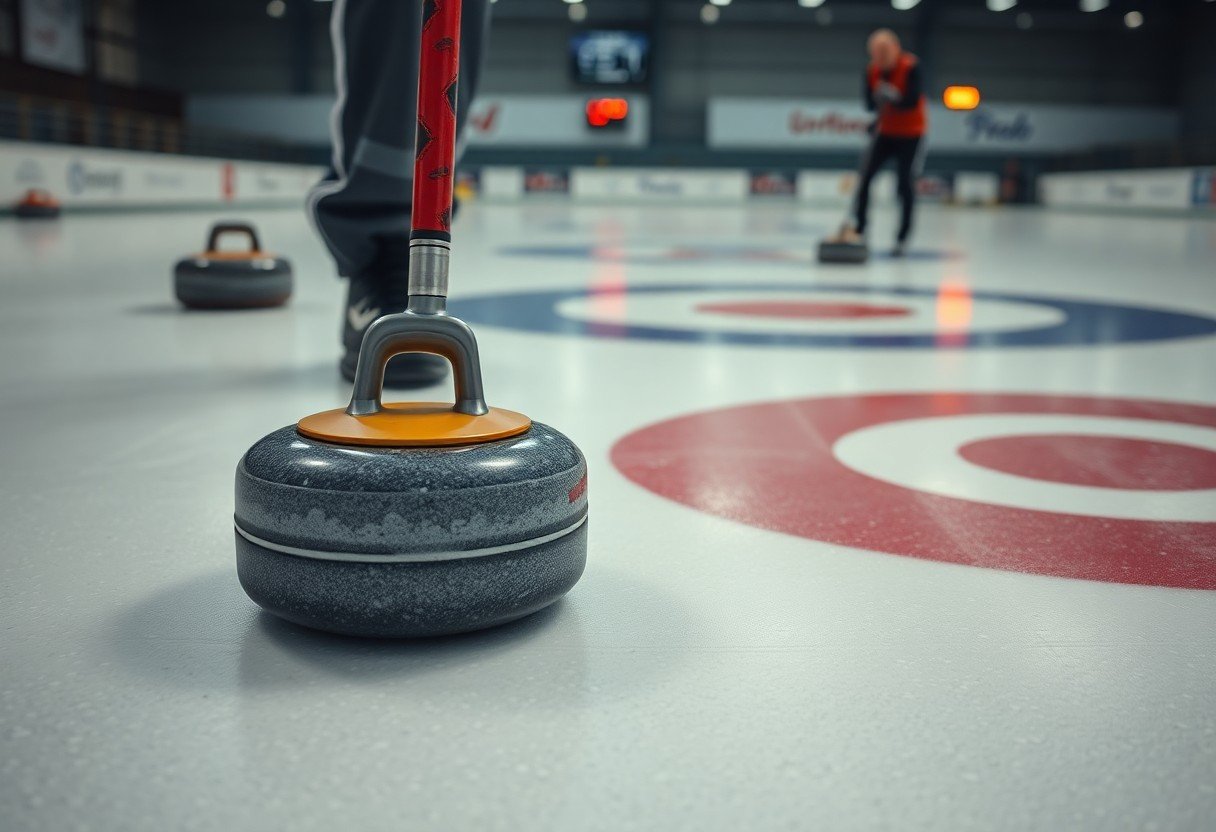
Consult the standard Glossary of curling when terms pile up, but focus on in-game words like hammer, guard, draw, takeout and freeze. In an eight-end club match there are 8 stones per team per end (16 total), and your shot selection will change dramatically when you have the hammer versus when you don’t. Practice calling and executing each shot type under timed conditions to build on-ice decision speed.
End
An end is one scoring segment where each team delivers its eight stones; after all 16 stones are played the score for that end is determined by stones nearest the button. Championship play often uses ten ends, while many leagues use eight, so your stamina and strategy must adapt: in ten-end games you can afford more incremental setups, whereas eight-end games reward aggressive scoring early.
Skip
The skip is the team captain who directs strategy from the house and usually throws the last two stones (stones 7 and 8 in a four-player rotation). You’ll rely on the skip to call weight, line and sweeping, and their reads of ice and opponent tendencies shape each end’s approach; strong communication between you and the skip is imperative for executing complex shots.
Skips also manage ice reading, broom placement and pressure-shot execution; at higher competitive levels they frequently practice both precise draws and heavy takeouts to maintain a >70-80% shot-making consistency under pressure. When you face a dominant skip, expect fewer scoring opportunities and plan forced ends or well-timed guards to shift momentum.
Equipment
Besides tactics, your gear dictates how shots behave: a standard curling stone weighs 19.1 kg (42 lb), brooms change friction, and shoes control your slide and balance. Choose equipment to match ice conditions-harder pebbles need more aggressive sweeping and stiffer sliders-and keep spares; worn gear often produces inconsistent results and can increase the chance of a fall or injury, so inspect handles, brush heads, and soles before play.
Brooms
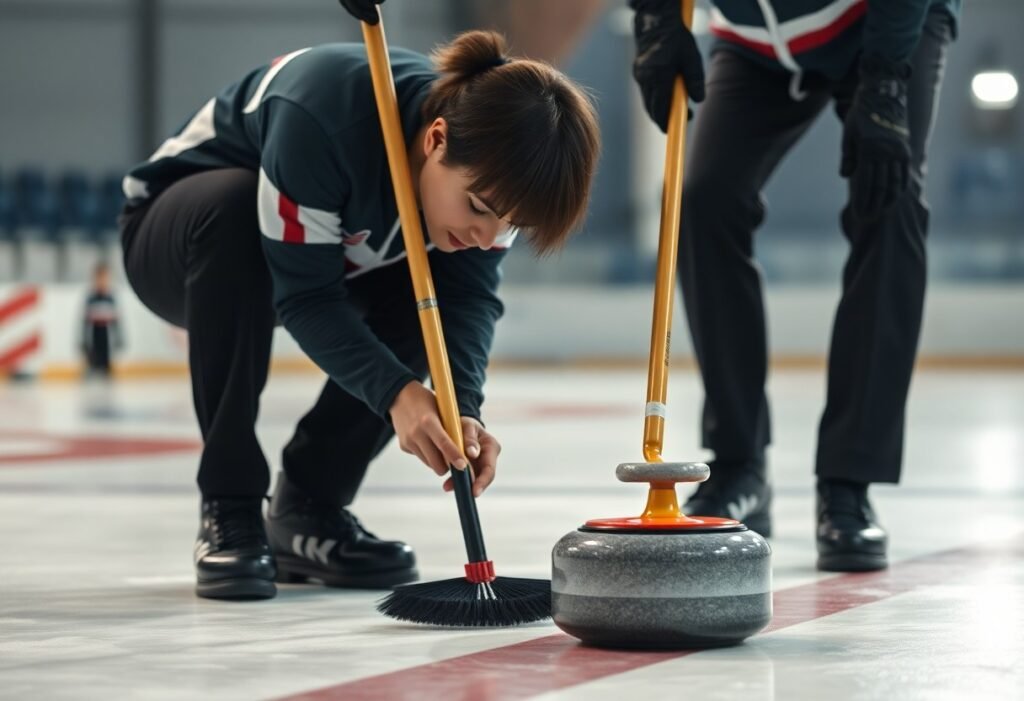
Modern brooms feature carbon-fiber handles and brush heads typically 20-25 cm wide, with telescoping lengths around 90-120 cm to suit different sweepers. Effective sweeping can alter a stone’s path and, in club tests, extend travel by roughly 0.5-1.5 m (1.5-5 ft) depending on speed and ice. You should rotate brush heads and monitor fiber wear; frayed or glazed heads reduce effectiveness and increase physical strain on your shoulders.
Shoes
Shoes pair a smooth slider on your delivery foot with a gripper on the other; sliders come as fixed full-foot plates or interchangeable pads made of Teflon or thermoplastic. Many competitive players replace sliders every 6-12 months of heavy use to maintain consistent glide. Prioritize fit and sole stiffness for stability-poorly fitting shoes or a worn slider are a common source of slips, so carry a spare slider for matches.
When dicking out sliders, test both fixed and interchangeable systems on practice ice: interchangeable pads let you fine-tune glide for different pebble and temperature conditions, while full-foot sliders offer uniform contact. You should check pad flatness and attachment bolts before each game; a warped or loose slider alters delivery timing and increases risk of a fall. For longevity, wipe sliders dry after play and store them away from heat to preserve material properties.
Types of Shots
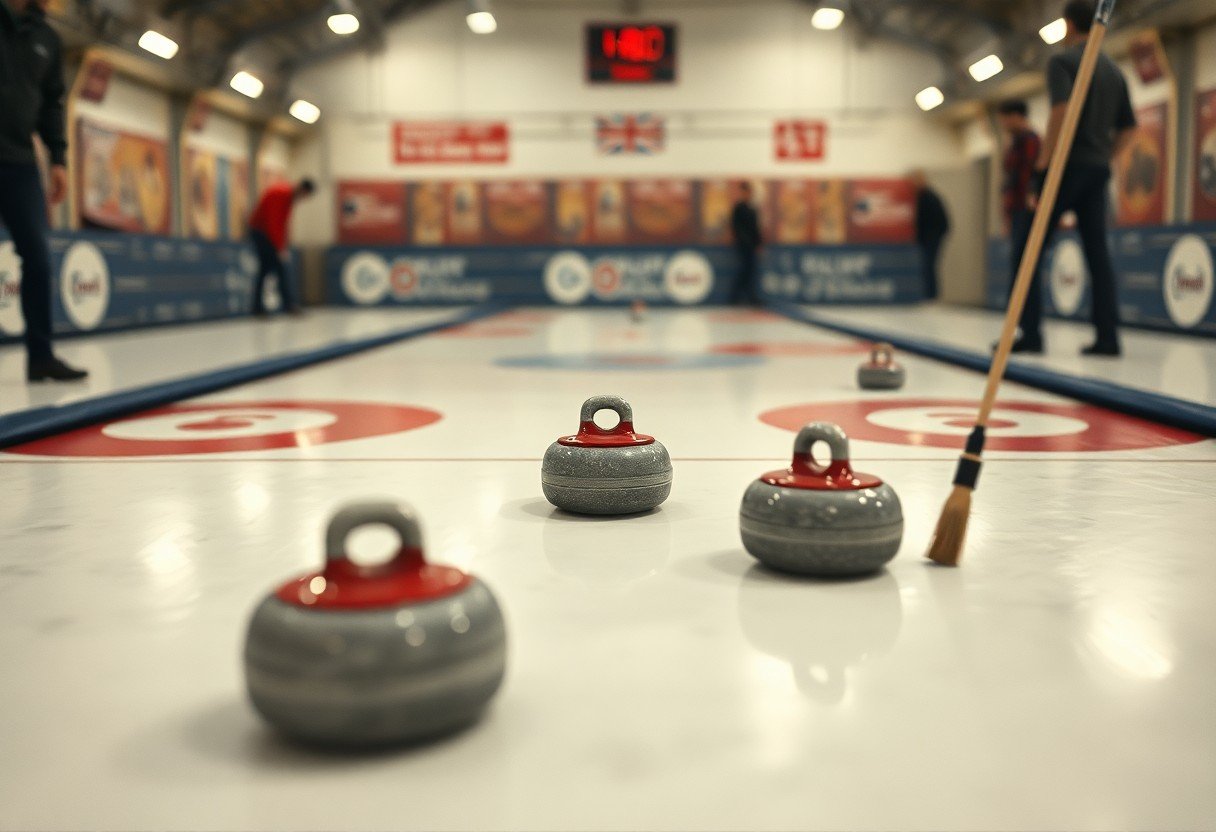
Different shots give you options to score or defend; the five core plays-draw, takeout, guard, freeze, and peel-define most ends. You work the ice, line, and weight to land in the 4‑, 8‑, or 12‑foot rings, while sweeping can shift distance by roughly 1-3 feet and reduce curl. Pay attention to weight control and angles because a missed shot often creates a dangerous scoring opportunity for the opposition. After
| Draw | Soft weight to stop in the house, often aiming for the button or 4‑foot ring to score or sit. |
| Takeout | Firm weight to remove opponent stones; variants include double, hit‑and‑roll, and raise takeouts. |
| Guard | Placed short of the house to protect a stone in scoring position or block angles. |
| Freeze | Delivered to come to rest tight against another stone, limiting removal angles and scoring. |
| Peel | Heavy takeout aimed at removing guards from play to simplify the front of the house. |
- Draw
- Takeout
- Guard
- Freeze
- Peel
Draw
You throw a draw when precision beats power: soft weight targets the button or the 4‑foot/8‑foot rings to score or force the opponent into difficult shots. Skilled players vary rotation and release to shape curl; on many sheets a well‑timed draw that lands in the 4‑foot ring converts single‑stone advantages into scores. A missed line often lets the opposition capitalize, so your communication with sweepers and the skip is vital.
Takeout
A takeout uses firm weight to remove opponent stones from scoring position, with common variants like the double, hit‑and‑roll, and raise. You need precise line and weight-too heavy and you over‑roll, too light and you leave them in the house-making consistent release and swept line control the difference between a successful clearance and a dangerous split end.
More detail: you use angles to maximize removal while minimizing roll‑behind opportunities; for example, a double takeout can eliminate two counting stones and swing an end by multiple points, while a hit‑and‑roll aims to remove one stone and roll your shooter into a scoring spot. Practically, focus drills on weight ranges and narrow line windows-repetitions of 30-50 controlled takeouts in practice improve your hit percentage quickly. After you build reliable weight and sweeping coordination, takeouts become dependable tools that blunt opponent strategies.
Player Roles
Skipper
As the skip, you call the shots, read the ice, and throw the last two stones (stones 7 and 8) each end; those are often the decisive shots that determine scoring. You hold the broom as target, adjust strategy for pace and curl, and direct sweeping intensity. A misread or delayed call can flip a multi-point end, so your judgment on weight, line, and risk under pressure shapes the outcome.
Lead
As the lead, you deliver the first two stones (stones 1 and 2), usually setting up guards or precise draws that define the end’s structure. You then sweep most of the following shots, where strong, timed sweeping can add several feet of distance and tame curl. Your consistency, stamina, and clean release give the skip reliable angles to build scoring opportunities.
In practice, you aim guards-center or corner-about 6-8 feet in front of the house to force opponents into difficult responses; adapting to ice temperature and pebble wear is crucial. Focus on a repeatable slide and fast recovery between stones, since leads often sprint and sweep multiple times per end, and small release errors can turn a perfect setup into an exposed stone.
Scoring and Points
When the rocks stop, you determine scoring by which stones lie closest to the button within the 12‑foot house; only one team scores per end and you count one point for each of your stones that is closer to the button than the opponent’s nearest, so a maximum of 8 points is possible in a single end (an “eight‑ender” is exceptionally rare).
Scoring System
You score every stone of yours that sits closer to the button than the opponent’s nearest stone-if three of your stones are closer than their nearest, you score 3 that end. Stones must lie in or touching the 12‑foot house to be eligible; strategic use of the hammer often converts single‑point ends into multi‑point scores.
Measurement
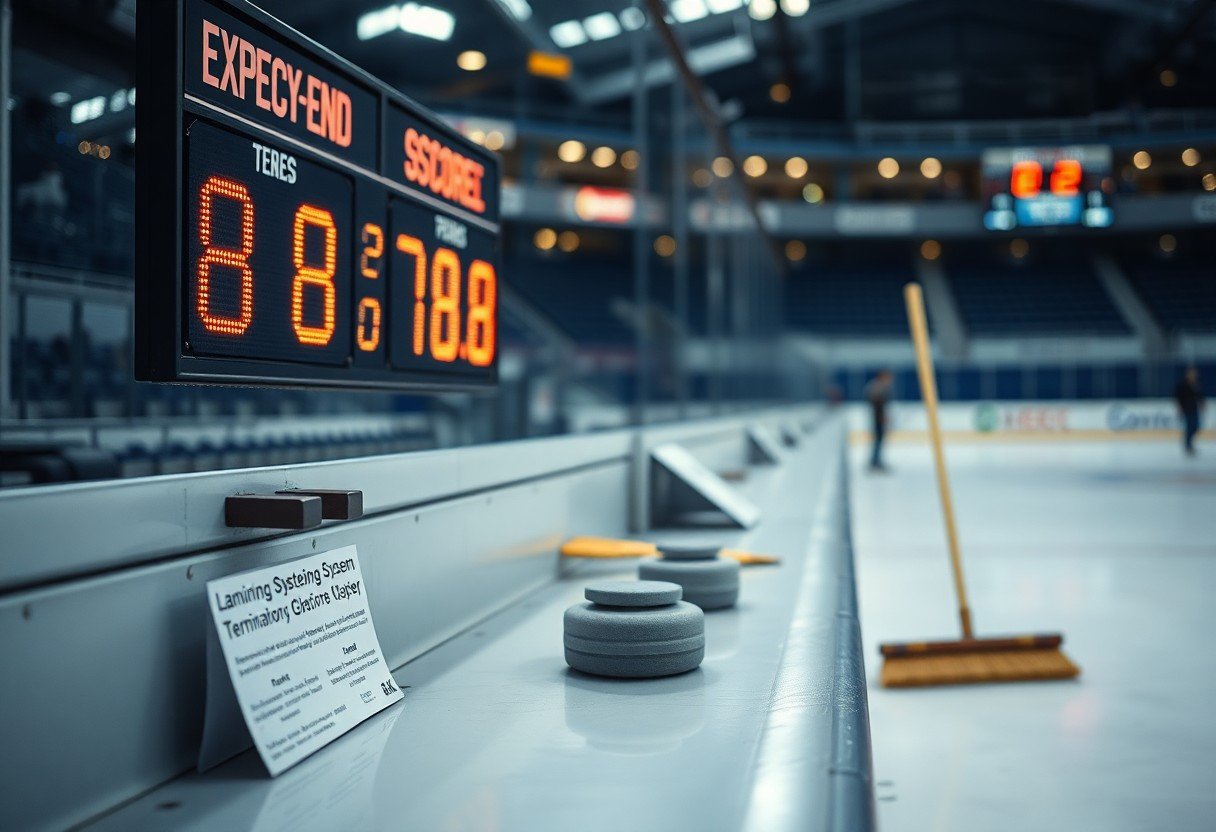
When proximity is unclear, you request a measure and an official uses a calibrated device (stick, caliper or electronic comparator) to determine which stone is closer to the button; the gauge result decides the scoring order and often settles tight ends in tournament play.
Measuring tools resolve differences down to a few millimetres, so you’ll see measurements in high‑stakes games where a frozen stone or a stone touching the tee line blurs judgment; teams commonly call for a measure when two stones appear nearly equal because a single millimetre swing can turn a blank into a multi‑point end or create an instant swing in score.
Scoring System
Scoring is decided after each end by which team leaves the most stones closest to the button; in practice only one team scores per end and the value equals the number of your stones closer than any opponent’s. With eight stones per team you could theoretically score up to eight points in an end-an eight-ender is exceptionally rare and celebrated. Typically sheets see 1-3 points per scoring end, which shapes whether you play aggressive or defensive with the hammer.
Points
You earn one point for each of your stones that lies closer to the button than the opponent’s nearest stone; for example, if three of your stones are closer than any of theirs, you score 3. Teams often accept a single point to protect strategy or blank an end to retain the hammer. At championships, scoring tactics target multiple-point ends early while minimizing risk later in tight games.
Measurement
When proximity is unclear, officials or players call for a measurement to determine which stone is closer; you should ask before stones are removed. Devices range from simple calipers to laser systems, and measurements can decide outcomes by mere millimetres, so measure before stones are removed and trust the tool rather than visual judgment.
In competitive play, the measuring process is formal: a player or skip requests the measure, an official positions the device on the tee, and the jackknife or electronic readout indicates the closer stone. If measurement shows one stone closer, that team gets the point(s); when distances are effectively equal, officials follow rulebook procedures to resolve the count. Because millimetres matter, knowing when to request a measure can swing an end and affect your game plan.
Curling Equipment
Beyond the stone’s 19.1 kg mass, your gear directly shapes shot outcome and safety: brooms change friction, shoes control your slide, and delivery sticks let players avoid sliding. Shafts commonly measure 90-110 cm, carbon-fiber reduces weight and vibration, and worn surfaces alter ice contact. You should prioritize fit and condition-given the weight you handle, a poor fit or faulty sole can lead to slips or falls, so inspect and maintain equipment regularly.
Brooms
Modern brooms feature synthetic fabric heads or directional pads and carbon-fiber shafts; sweeping can significantly alter speed and curl, especially on fresh pebble. You’ll use firm, sustained strokes for takeouts and quick, high-frequency sweeps for draws to reduce curl and extend travel. Length choices (90-110 cm) affect leverage and reach, and head angle plus wear state change heat transfer and ice friction, so rotate or replace heads as they glaze or fray.
Shoes
Your shoes split into a slider and a gripper: the slider (removable Teflon/plastic disc or sheet) lets you glide, while the rubber gripper gives traction for sweeping and set-up. Most competitive players wear a slider on the delivery foot and a gripper on the other, swapping as needed; using the wrong sole off the hack is a major slip risk, so keep your gripper on when walking the ice.
When selecting shoes, match footedness-if you’re right-handed you typically slide on your left foot-and buy replaceable sliders so you can swap worn material after about 10-20 games depending on condition. Opt for shoes with adjustable sliders, keep slider surfaces clean, and test balance on carpet before heading onto ice; tournament players often carry spare sliders and a small screwdriver to change plates between ends.
Common Strategies
When you map an end, decide whether to protect the hammer or force a score; with eight stones per team per end you might blank early to keep last rock or trade singles to deny momentum. Use guards and freezes to clutter the center, apply peels to clear guards, and calculate risk: leaving a long center guard often allows the opponent to build a multi-point end, while a well-timed draw can turn a tie into a two- or three-point swing.
Defensive Play
You should focus on control and removal when defending: prioritize timely peels to eliminate 1-3 guards, execute straight takeouts to remove scoring stones, and use freezes to neutralize opposition counters. In practice, teams often call a peel on stone 3 or 4 to prevent a guarded double, because failing to remove a crowded front can convert a single-point threat into a steal or a multi-point end.
Offensive Play
You build offense by shielding your stones and manufacturing angles: set 1-2 corner guards early, draw behind that cover on stones 3-5, then use raises or tap-backs to promote scoring rocks. For example, two corner guards plus a well-placed draw can create a chasing situation where your final stone converts into a three-point opportunity if opponents miss an angle takeout.
When you want extra detail, plan shot sequences: open with a corner guard, follow with a freeze or subtle draw to the four-foot, and reserve a hit-and-roll or angle raise for stones 7-8 to capitalize on created lanes. Statistical match play shows teams that successfully execute a two-guard setup convert to multi-point ends significantly more often, so prioritize weight control and precise broom placement to execute those finishing shots.
Strategy and Techniques
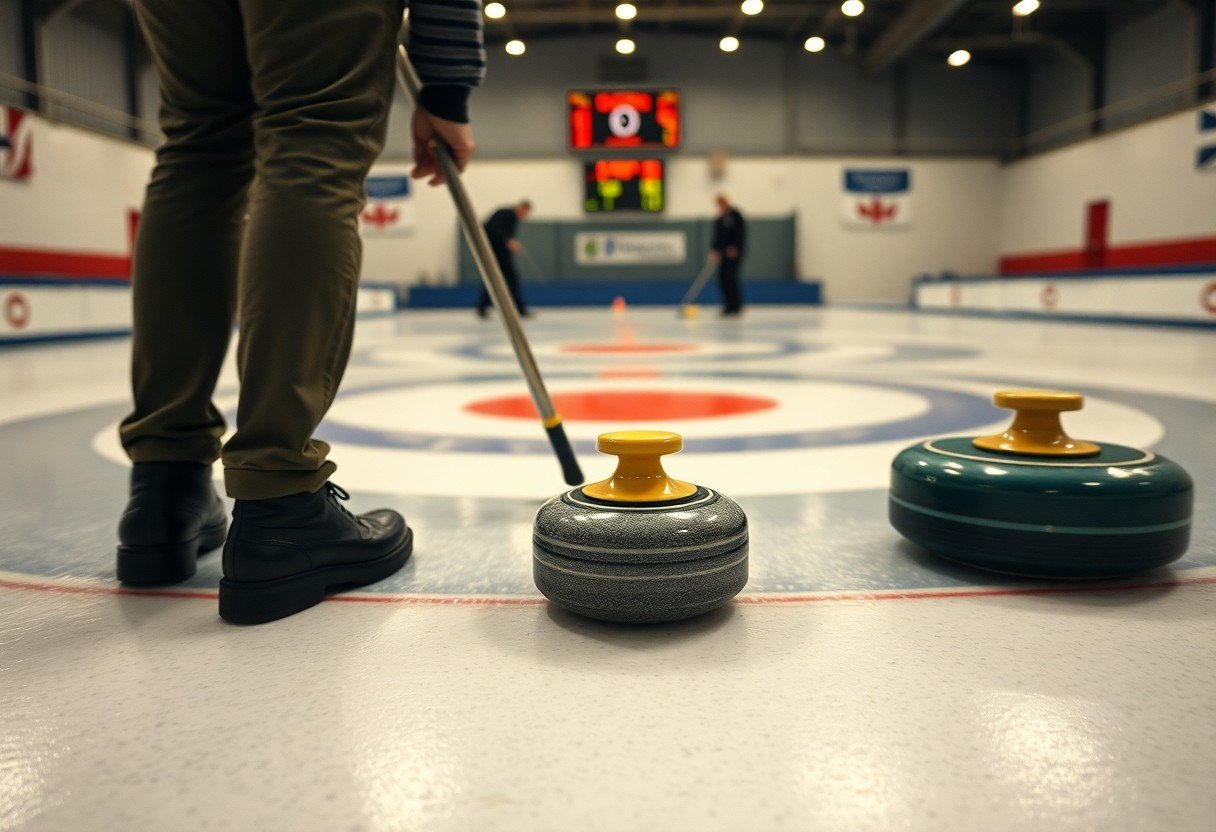
As ends evolve, you balance offense and defense by choosing when to protect the button, peel guards, or play for multiples; weight, line and reading ice pace matter more than raw power. You plan several shots ahead, use the hammer to control scoring opportunities, and adapt as ice conditions change-consult the Glossary of curling – the meaning behind the sport’s terms for standard definitions.
Shot Types
Each shot forces a tactical choice: a draw for placement, takeout to remove opposition stones, guard to protect scoring rocks, freeze to neutralize an opponent, and peel to clear clutter. You judge ice speed and weight precisely; shot selection often shifts momentum within a single end. Recognizing the correct shot under pressure regularly decides matches.
- Draw – place a stone in the house or behind guards.
- Takeout – remove one or more opponent stones.
- Guard – block access to the house or protect a stone.
- Freeze – stick to another stone to limit movement.
- Peel – clear guards and open lanes.
| Draw | Controlled weight to land in scoring position or behind cover. |
| Takeout | Firm weight aimed to remove opponent stones while maintaining favorable angles. |
| Guard | Placed short of the house to obstruct lines and protect scoring stones. |
| Freeze | Delivered to stop against another stone, reducing opponent options. |
| Peel | Heavy, sweeping-assisted shot to clear guards and simplify the end. |
Sweeping
When you sweep, you reduce friction and can extend a stone’s travel by up to about 1 metre (3 feet), while slightly straightening its path; strong, timely sweeping also helps control weight. You should communicate constantly with your skip about line and weight, and use vigorous, low strokes to maximize effect while avoiding poor posture that risks injury.
For more detail, focus on broom angle and stroke tempo: you push hard in short, brisk bursts to warm and polish the ice in front of the stone, two sweepers coordinate to change speed and curl, and elite teams practice drills to gain centimeters of advantage-this small edge often turns ends in your favor. Strong coordination and clear calls are necessary to effective sweeping.
Final Words
Drawing together the key curling terms gives you confidence on the ice and improves team communication and tactical choices. Familiarize yourself with delivery, sweeping, hog line, house, guard, takeout, draw, and strategy language, practice their use in drills and games, and let precise terminology sharpen your shot selection and teamwork.
Summing up
Summing up, you should learn core curling terms-house, hack, hog line, end, guard, draw, takeout, hammer and sweeping-so your tactical choices and team communication improve; mastering this vocabulary helps you read the ice, anticipate opponents’ play, and execute shots with greater confidence and consistency.
FAQ
Q: What is the “hammer” in curling?
A: The hammer is the advantage of throwing the last stone in an end. The team with the hammer can react to the opponent’s final stone and often uses it to score or to force a blank end. The hammer can change possession during an end if the non-hammer team steals a point; strategy before and after gaining the hammer influences shot selection and defensive vs. offensive tactics.
Q: What’s the difference between a “draw” and a “takeout”?
A: A draw is a shot delivered with the goal of stopping the stone in a chosen spot, typically inside the house or behind a guard. A takeout is thrown with more weight to remove one or more opposing stones from play. Draws prioritize placement and finesse; takeouts prioritize weight and trajectory to remove threats. Variations include soft takeouts, where stones are nudged rather than fully removed, and tap-backs, which reposition stones.
Q: What do terms like “guard,” “freeze,” and “peel” mean?
A: A guard is a stone placed outside the house to block access to stones in the scoring area. A freeze is a draw delivered to stop directly next to or touching an opponent’s stone, making it hard to remove without promoting other stones. A peel is a high-weight shot aimed at removing guards or other stones while rolling out of play, commonly used to simplify the front of the house. Each shot influences how teams protect their own stones or open lanes to the button.
Q: What are the “house,” “button,” and “tee line”?
A: The house is the set of concentric circles at each scoring end; stones inside the house are eligible to score. The button is the very center of the house and the most valuable target for placement. The tee line is the horizontal line that runs through the center of the house; it helps with alignment and shot calling. Scoring is determined by which team’s stone is closest to the button after all stones are played in an end.
Q: What does “sweeping” do, and who performs it?
A: Sweeping is performed by the two players in front of the thrower and affects a stone’s speed and curl by warming the ice and reducing friction. Vigorous sweeping can extend the stone’s travel and slightly straighten its path, allowing the team to adjust weight and line after release. Sweepers communicate with the skip to decide when to sweep hard, lightly, or stop, making sweeping a key element of shot execution and strategy.