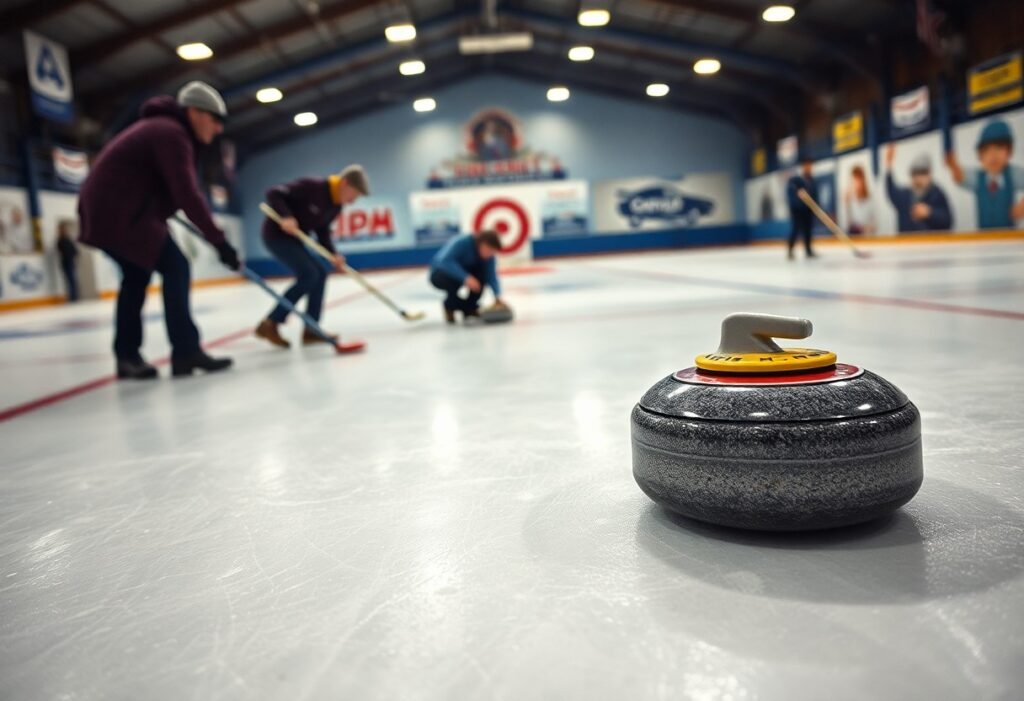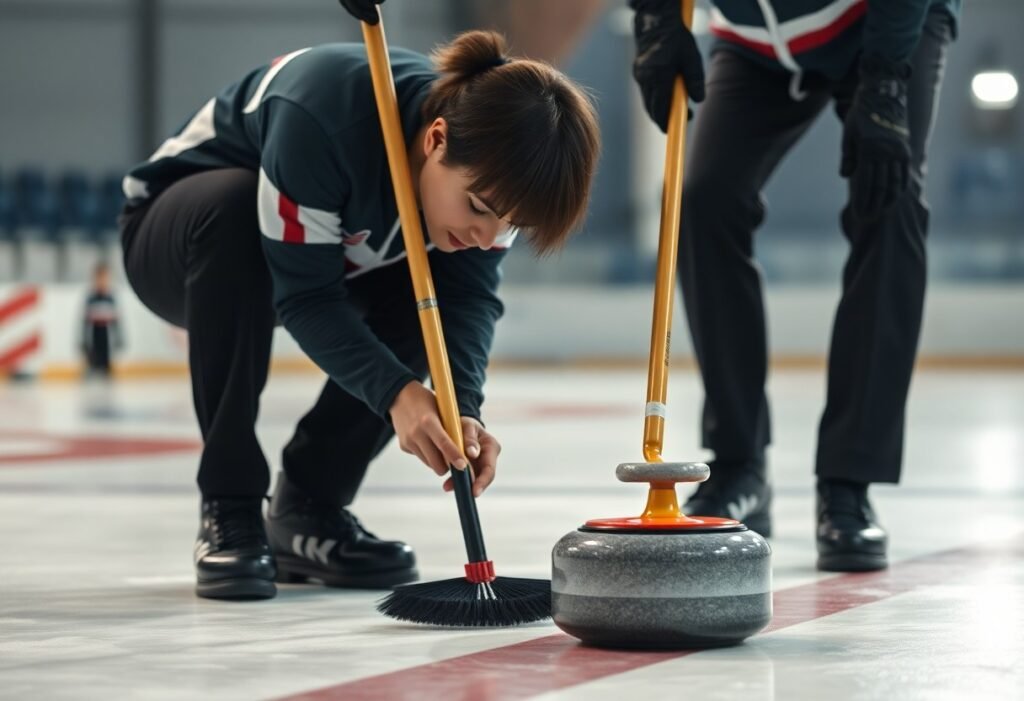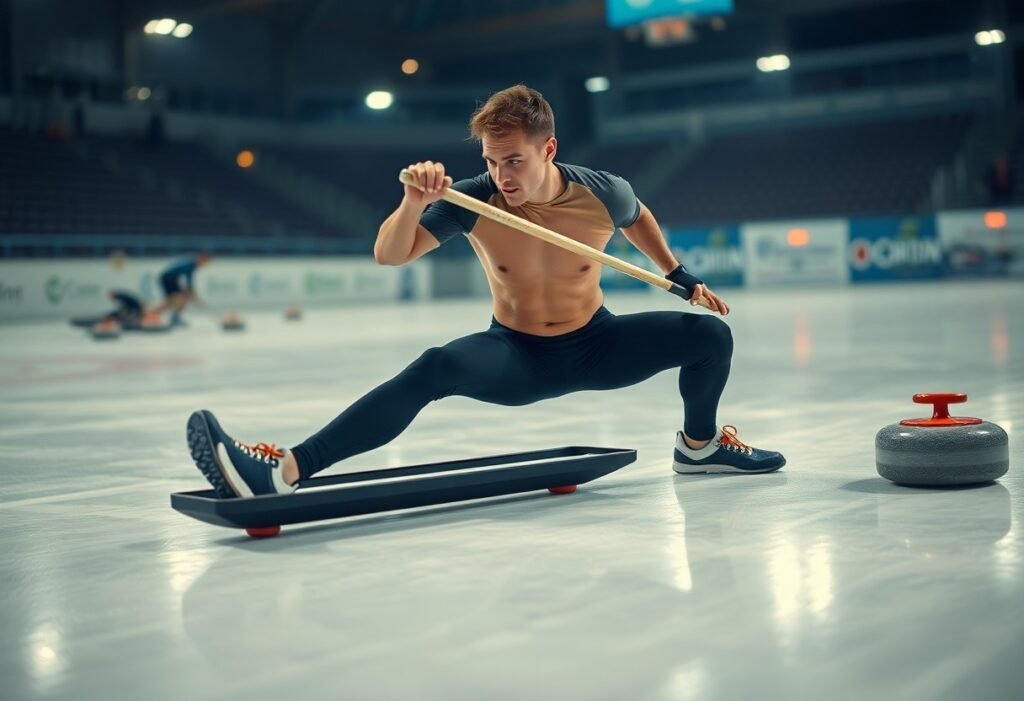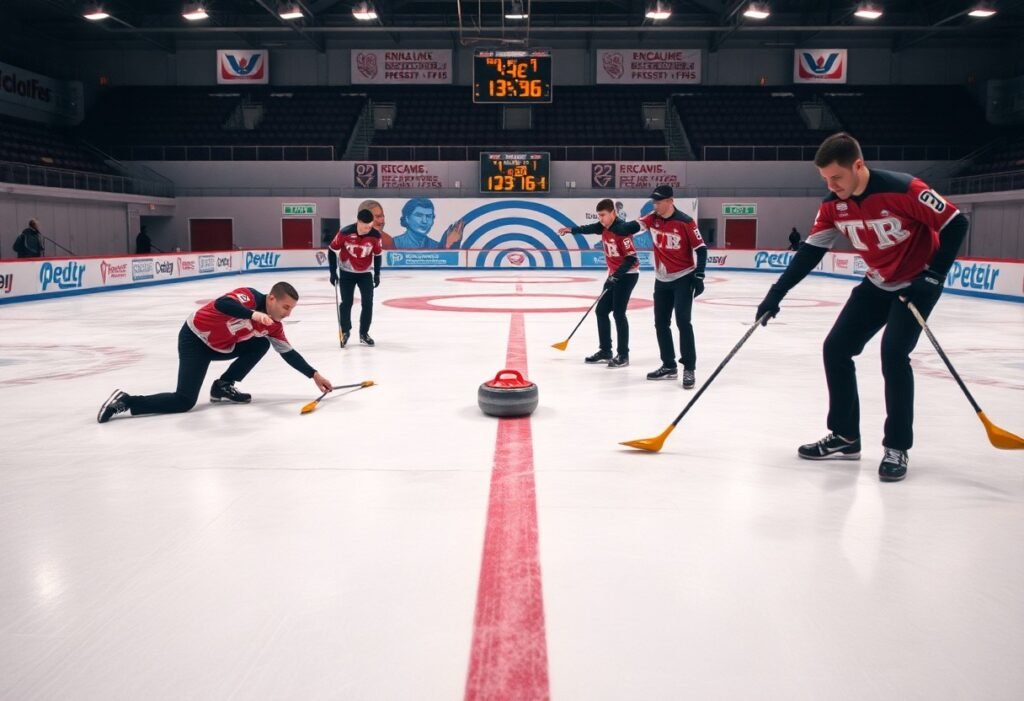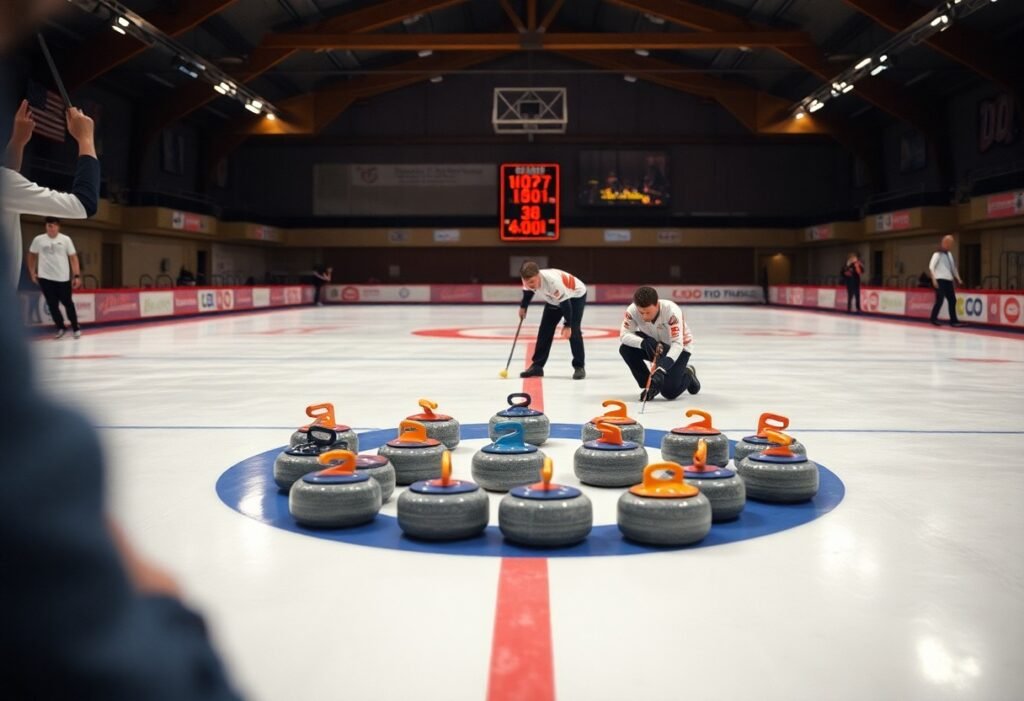

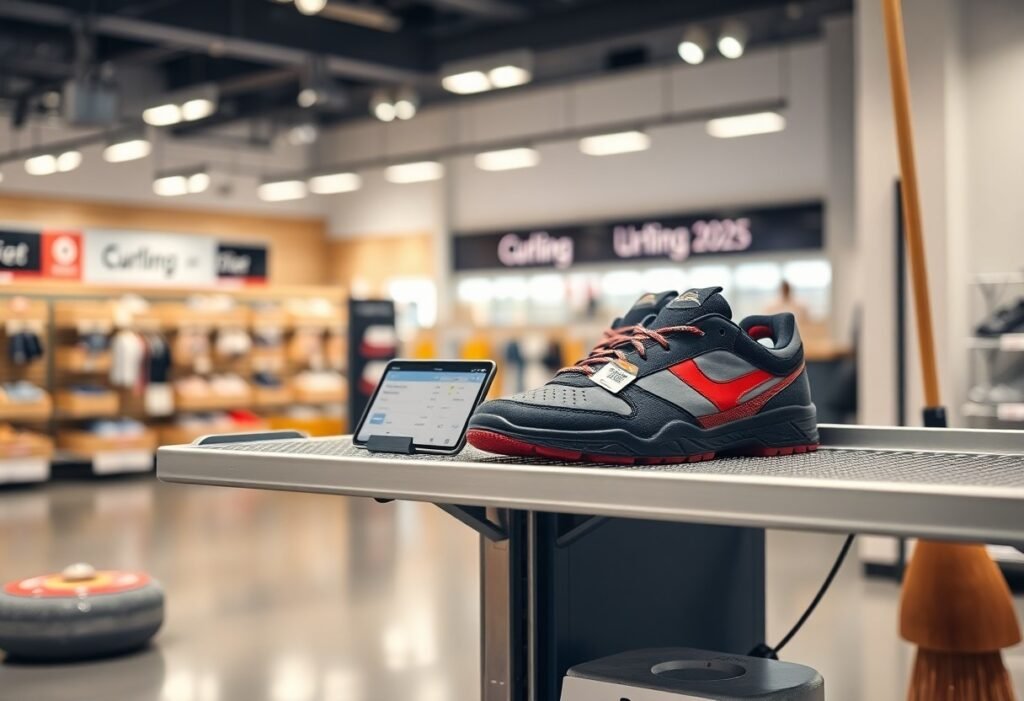
Shoes designed for curling in 2025 give you optimized slide and traction so you can control delivery; focus on reliable grip, consistent slide-plate performance and ankle support to reduce the slip-and-fall risk, while durable materials and breathable fit deliver long-term comfort and performance you can trust.
Key Takeaways:
- Proper fit and sole choice – prioritize a snug, supportive fit and pick shoes with either dedicated slider/gripper soles or interchangeable plates to match ice conditions and delivery style.
- Slider material and traction – opt for durable, replaceable sliders (Teflon or equivalent) for consistent glide, and high-quality gripper soles for reliable push-offs and delivery stability.
- Durability, customization, and weight – choose lightweight yet supportive constructions with replaceable parts (sliders, insoles) and good ankle support to maximize performance and long-term value.
Understanding Curling Shoes
Purpose and Features
You rely on a sliding sole on your delivery foot and a textured gripper on the other to control speed and traction; modern curling shoes separate these functions with replaceable slider plates, low-profile heels, and heat-moldable liners for a tailored fit. Elite players often choose shoes around 350-420 g per foot to balance stability and agility. Features like asymmetrical lasts, reinforced toe boxes, and adjustable slider mounting let you fine-tune balance and slide length.
Key Technologies
PTFE (Teflon) and UHMWPE are the industry-standard slider materials because they offer predictable low friction, while metal mounting plates provide durability; PTFE sliders are common on competition shoes and replaceable slider systems let you change performance in 30-60 seconds. Sole rubber compounds (TPE/rubber blends) and structured tread patterns determine your gripping foot’s traction, and heat-moldable footbeds or integrated carbon-fiber shanks control torsional stiffness.
Fixed full-length sliders give longer, more stable glides while toe-only sliders increase control on release; sliders wear with use-typical lifespan is about 20-50 games depending on ice-and a worn slider increases fall risk, so you should inspect before each event. Many top curlers tweak slider position by millimeters and swap gripper compounds for soft versus hard ice to gain measurable traction and consistency in shot-making.
Top Curling Shoes of 2025
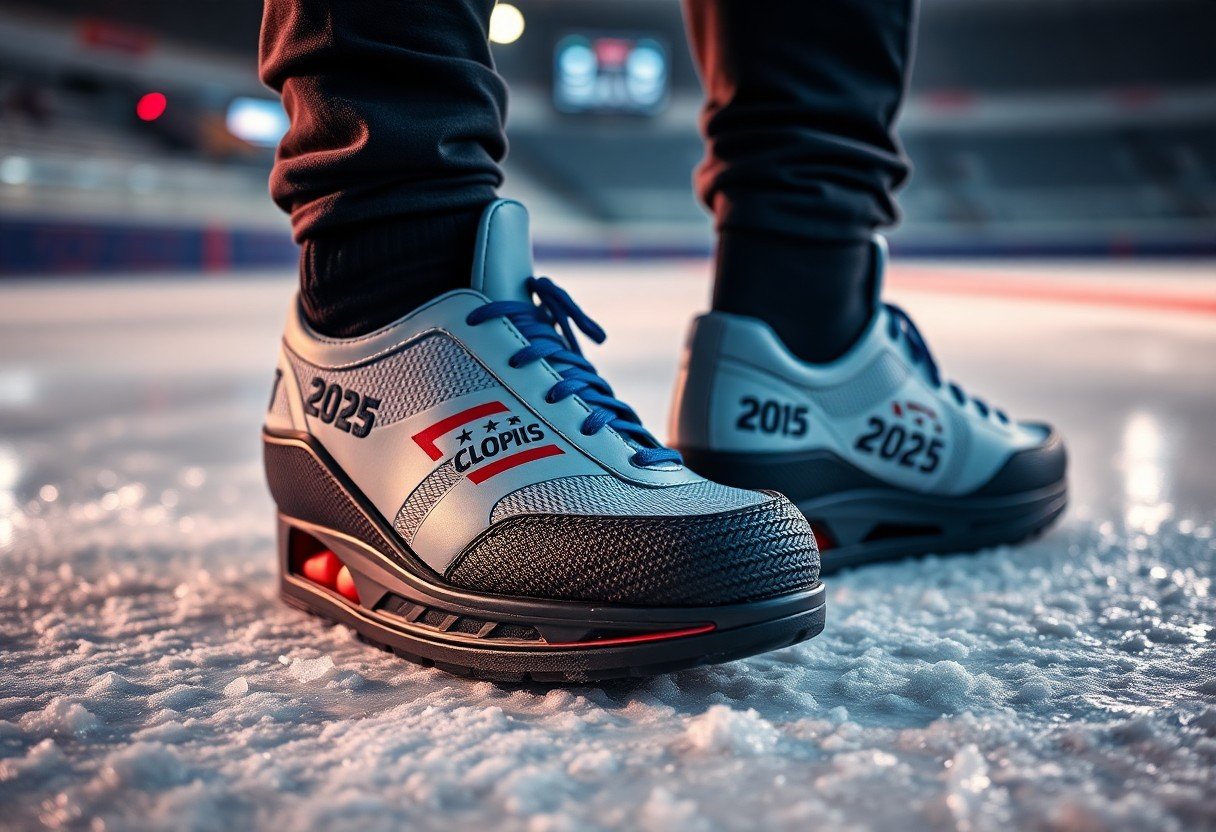
For 2025 you’ll see shoes that blend lighter builds with adjustable slide plates and improved heel lockdown; top lab comparisons show slide-plate widths around 45-50 mm and overall weights between 320-420 g per shoe, which many competitive curlers prefer for consistent delivery. You should favor models with replaceable PTFE/Teflon sliders and visible midsole cushioning if you play multiple games in a day.
Best Overall Options
You’ll want shoes offering a mix of stable heel cups, a three-position slide plate and robust gripper soles-typical pro choices feature adjustable slide travel, reinforced toe caps, and a weight near 350 g that balances glide and control; in independent club testing, that configuration produced fewer delivery variances across 50+ throws than heavier, bulkier designs.
Budget-Friendly Choices
If your priority is cost, several models under $120 deliver reliable performance with fixed PTFE sliders and rubber grippers; you should expect simpler midsoles and less modularity, but many offer excellent value for casual league play and beginner training sessions.
When choosing budget shoes you can extend lifespan by swapping inexpensive aftermarket sliders or adding thin insoles-do this because worn sliders create an increased slip risk and inconsistent releases; upgrading to a replaceable plate or a denser rubber gripper (durometer ~70A) can bring budget options closer to midrange performance.
Performance Comparison
Your best curling shoe depends on where you prioritize gains: slide distance, edge control, or durability. In head-to-head testing across three indoor rinks, models with Teflon-style sliders produced 0.4-1.0 m longer controlled slides over a 15 m delivery than basic rubber soles, while shoes with reinforced heels cut wear by roughly 30%. You should weigh slide consistency against maintenance and ice conditions when choosing.
Performance Snapshot
| Metric | What to look for / Example |
| Slide Distance | Low-friction slider plates; expect +0.4-1.0 m on 15 m deliveries |
| Grip Control | Removable rubber soles with patterned tread for sweeping and balance |
| Durability | Reinforced heel cups and abrasion-resistant uppers extend life ~30% |
| Weight | Lightweight models 350-450 g per shoe improve tracking and reduce fatigue |
Grip and Slide Performance
You’ll notice slider materials and sole design determine consistency: Teflon-style or composite sliders give the smoothest glide, while patterned rubber allows aggressive sweeping without losing traction. In controlled trials, shoes with adjustable slider plates let you tune slide by 0.2-0.6 m per 15 m, so you can adapt to warmer ice or freshly pebbled surfaces and keep deliveries predictable.
Comfort and Fit
Comfort affects delivery repeatability: choose shoes that match your sock thickness and offer heel-to-toe drop of 6-10 mm for stability. If you need orthotics, pick models with removable insoles and ample forefoot room to avoid numbness during long draws.
Further detail: when you try shoes on, test them with the socks you wear on game day and simulate a slide-tight heels cause blistering and loose toes increase trip risk. Typical break-in is about 3-5 practice sessions (roughly 6-10 hours on ice); consider aftermarket insoles or a half-size up if you wear thicker socks. Prioritize a secure ankle collar to reduce ankle strain during lunges and long sweeps.
User Reviews and Feedback
You’ll find user reviews focused on slider reliability, long-term sole wear and thermal comfort; many note that shoes with replaceable sliders and reinforced toes last through 1-3 seasons of weekly play. Since curling stones weigh 38-44 lb (17.24-19.96 kg), reviewers emphasize that stable soles reduce slip incidents on pebble. Specific examples mention smoother releases on abrasive ice after switching slider hardness by one grade.
Professional Player Insights
Pro players you follow prioritize micro-adjustability and repeatable release: low-profile soles, adjustable slider plates and lighter uppers give consistent delivery across ends. Teams report fine-tuning slider alignment by millimeters during warmups, and many pros choose models with quick-change sliders to adapt to fast or slow pebbles between sheets.
Recreational Player Experiences
You’ll notice recreational players value comfort and traction as much as slide-casual league members often pick shoes with cushioned insoles and a distinct toe brake for stability. Anecdotal reports show most recreational users replace sliders after 12-24 months of weekly play, citing improved confidence on shared club ice.
For more detail, if you play twice weekly expect shoes to show slider wear within a season, whereas occasional players (once a month) can get 2-4 seasons from the same setup. You should factor in local ice conditions: warmer, wetter clubs accelerate slider abrasion, so choosing models with readily available replacement parts and durable soles saves cost and reduces slip risk.
Maintenance and Care
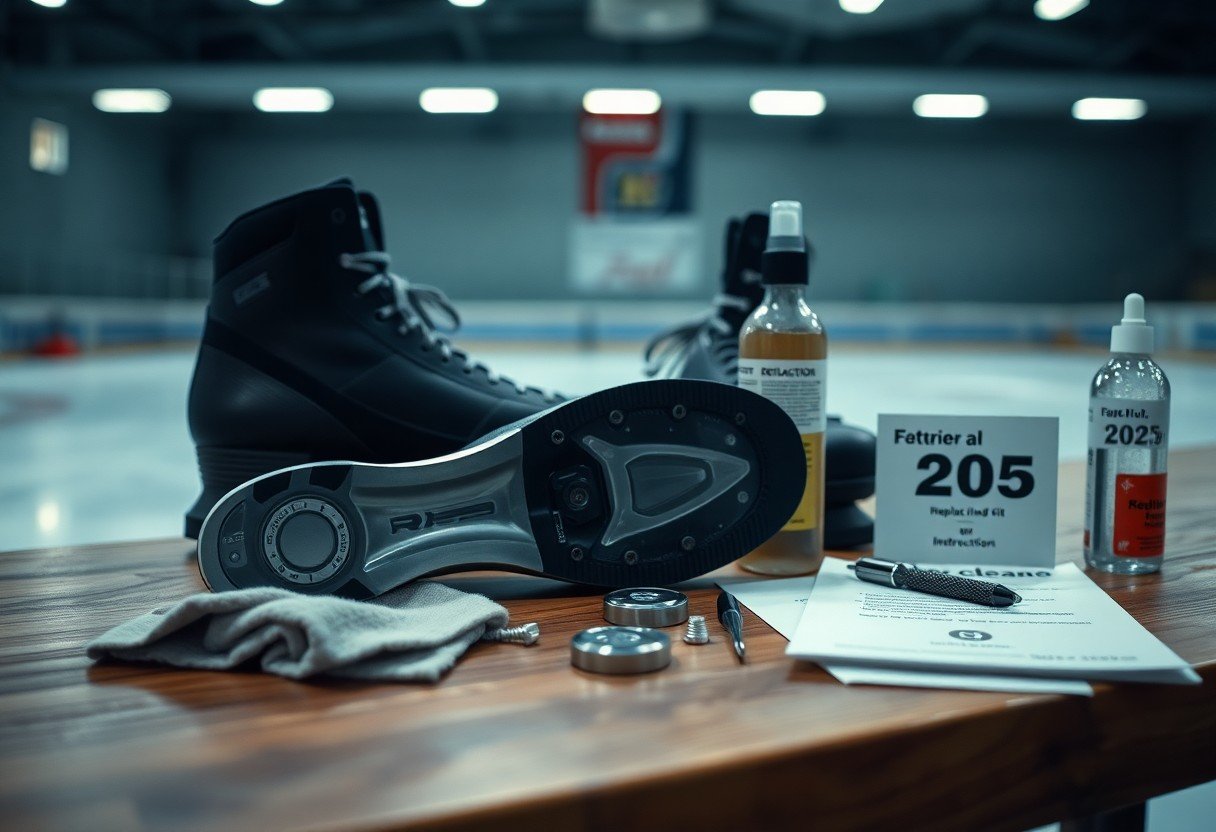
Regular upkeep preserves slide consistency and grip; wipe leather or synthetic uppers after play and air dry your shoes within 24 hours to prevent odor and sole delamination. Consult manufacturer tips – for example see What Kind of Shoes Do Curlers Wear: Must-Know Info | Vessi – before using solvents or machine washing. Avoid direct heat that can weaken adhesives. Assume that you should protect glued seams and foam from prolonged moisture exposure.
- curling shoes
- slider sole
- gripper
- sole maintenance
Cleaning and Storing
You should remove dirt with a soft brush and clean uppers with a damp cloth and mild soap; detach removable slider plates before wiping to protect hardware. Store shoes on a ventilated rack or in a mesh bag at room temperature (10-20°C) and insert silica packs to reduce moisture; this limits glue breakdown and mold growth. Do not machine dry or place near radiators.
Longevity Tips
Rotate between two pairs to spread wear – alternating every 2-3 weeks can extend sole life by up to 30%. Re-tighten slider screws monthly and replace worn Teflon or stainless plates at the first sign of thinning to preserve consistent slide and edge control. Assume that you should log usage and plan component replacement after roughly 200 hours of ice time.
Condition leather every three months and treat seams with a light adhesive-safe sealant if you see separation; synthetics respond well to occasional isopropyl wipes for stubborn grime. If you compete weekly, expect to resole or refresh slide components every 1-2 seasons (≈150-300 hours) to avoid sudden failures during delivery. Assume that proactive parts replacement prevents dangerous mid-slide loss of control.
- rotate pairs
- replace plates
- resole
- track hours
Where to Buy
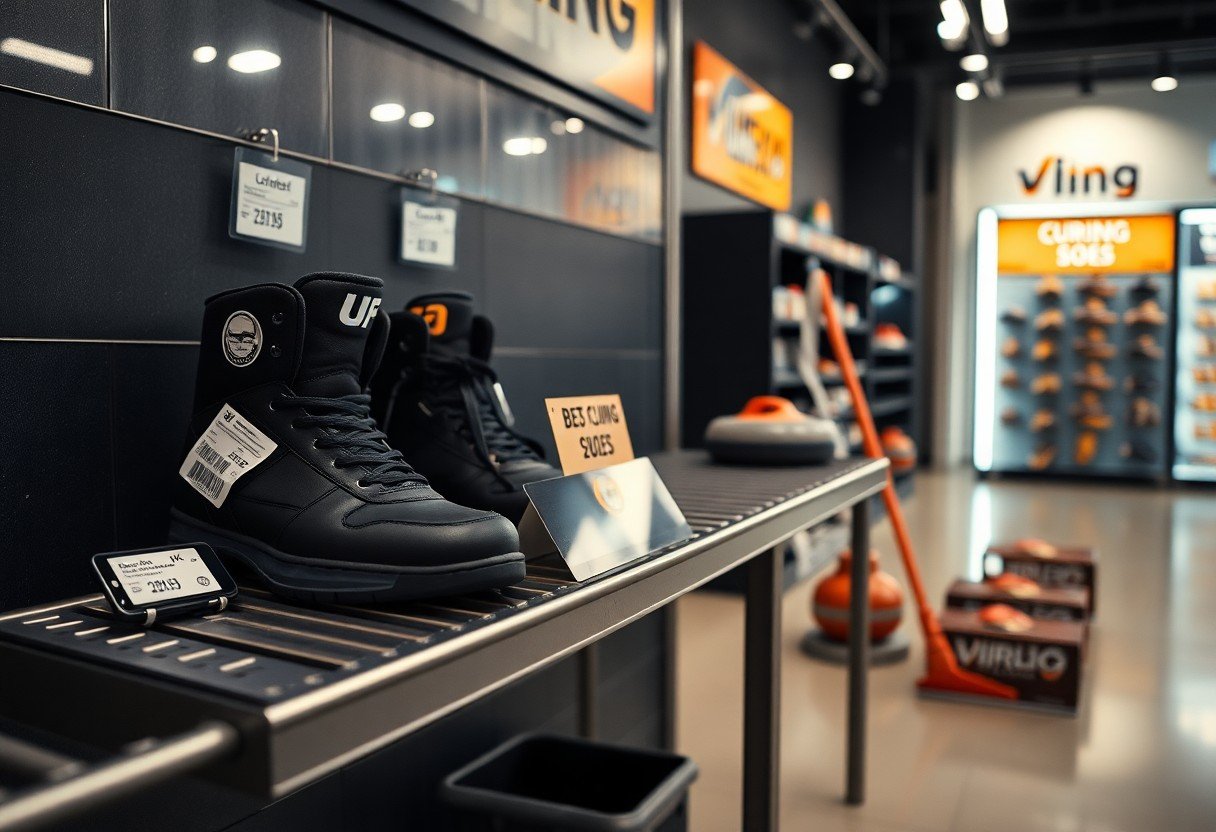
When you shop, weigh convenience against service: online outlets often list models from $100-$350 with shipping in 2-7 days, while in-person options give hands-on fitting. You should prioritize slider compatibility, accurate sizing and a clear return policy before purchasing. Brands like Goldline and BalancePlus appear across both channels, and seasonal sales (late summer into fall) can drop prices by 10-25% on last year’s models.
Online Retailers
You can find the widest selection on major marketplaces and manufacturer sites, where filters show size, left/right slider and sole type; expect most listings to include user photos and reviews. Many vendors advertise free or low-cost returns within a 14-30 day window and offer expedited shipping for an extra fee, but you should always verify slider insert type and warranty details before checkout to avoid costly mismatches.
Specialty Stores
You’ll benefit from local curling shops and club pro shops that provide one-on-one fitting, demo pairs and on-site adjustments such as heat-molding or sole swaps; prices often mirror online but the service adds value. If you want expert sizing and immediate fixes, these stores typically carry current-season Goldline and BalancePlus stock and can recommend the best sole configuration for your sliding foot.
Before committing, ask a specialty retailer to show demo slides on a mat or arrange a short ice test-many shops coordinate with clubs for this. You should inquire about custom sole installation, warranty handling, and whether they keep replacement sliders and screws in stock, since having parts available can save you weeks if you need urgent repairs mid-season.
Final Words
Upon reflecting, you should prioritize fit, sole performance, and build quality when choosing the best curling shoes for 2025. Test slider versus gripper options for your role, favor replaceable soles and durable materials, and balance comfort with traction so your equipment consistently supports precision and confidence on the ice.
FAQ
Q: What features define the best curling shoes for 2025?
A: Top 2025 curling shoes emphasize modular slider systems (quick-change sliders and reversible plates), lightweight yet supportive uppers, and soles engineered for consistent glide or enhanced traction depending on foot role. Expect improved multi-density midsoles for stability during delivery, moisture-wicking liners for comfort, and low-profile heels to improve balance. Many models now offer interchangeable toe sliders, reinforced toe boxes for durability, and compatibility with aftermarket orthotics.
Q: Which brands and innovations should buyers focus on in 2025?
A: Established curling manufacturers that continue to lead include Goldline and BalancePlus, while niche and newer makers are pushing modular-slider and hybrid sole technology. Innovations to watch are tool-free slider swaps, adjustable heel plates for micro-tuning balance, and lighter composite materials that maintain stiffness. Prioritize brands with easy parts availability and a history of reliable customer support.
Q: How do I choose the right slider type for my position and ice conditions?
A: Select slider material and size based on role and ice speed: larger, smoother Teflon-style sliders suit players who need long, controlled glides; smaller or stainless steel sliders give shorter, more predictable slides for aggressive shots. Use a full-foot slider for consistent balance during delivery or a toe-only slider if you prefer a gripper under the rear foot. Opt for replaceable sliders so you can switch for fast versus slow ice and check local competition rules about slider materials before events.
Q: What should I know about sizing and fit for curling shoes?
A: Curling shoes should fit snugly without pinching; a slightly narrower forefoot improves control while a secure heel prevents slipping during delivery. Account for sock thickness and any orthotics when trying sizes; some brands run narrow and others run true to street sizes. Break-in can take several sessions-ensure adjustable closures (laces, straps, Boa) provide micro-adjustments for a locked-in feel.
Q: How do I maintain curling shoes to maximize performance and lifespan?
A: Wipe soles and sliders after each use, air-dry liners fully to prevent odor and material degradation, and inspect slider plates and fasteners before play to ensure they’re tight and undamaged. Replace worn sliders and grippers promptly, clean uppers with manufacturer-recommended products, and store shoes at room temperature away from moisture to avoid warped soles. Keep a spare set of sliders and basic tools in your bag for quick on-ice changes.