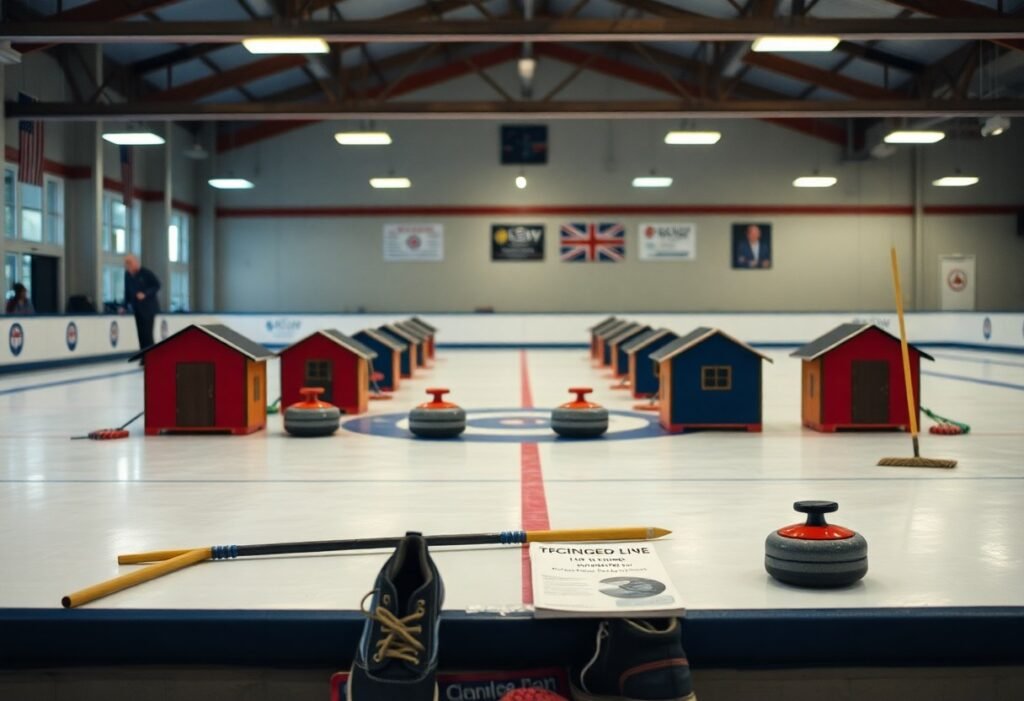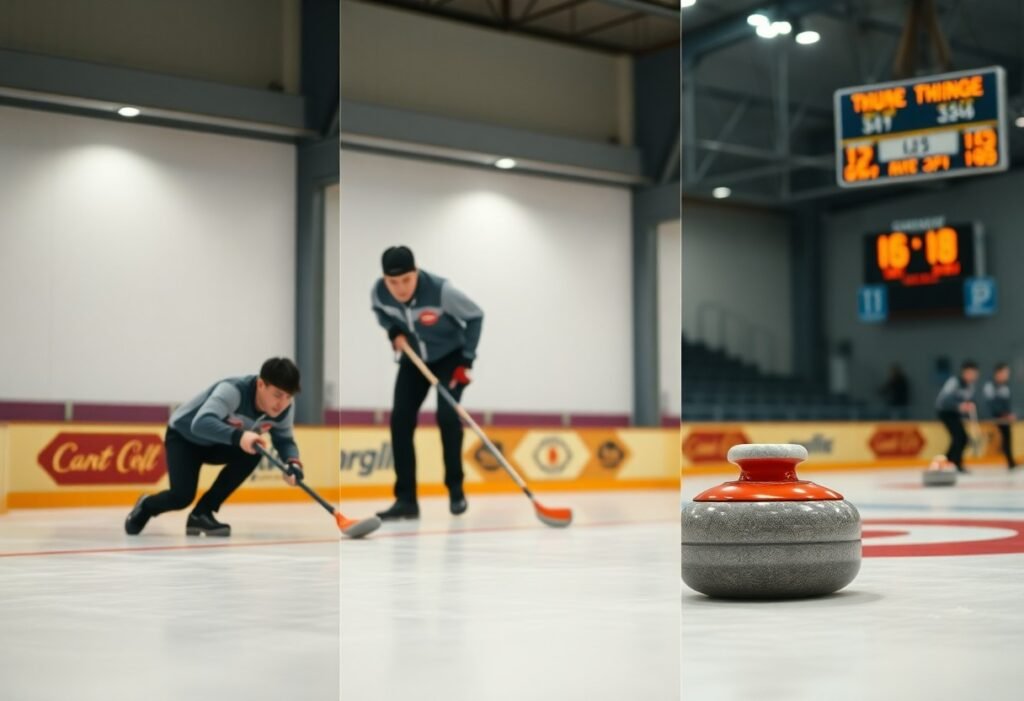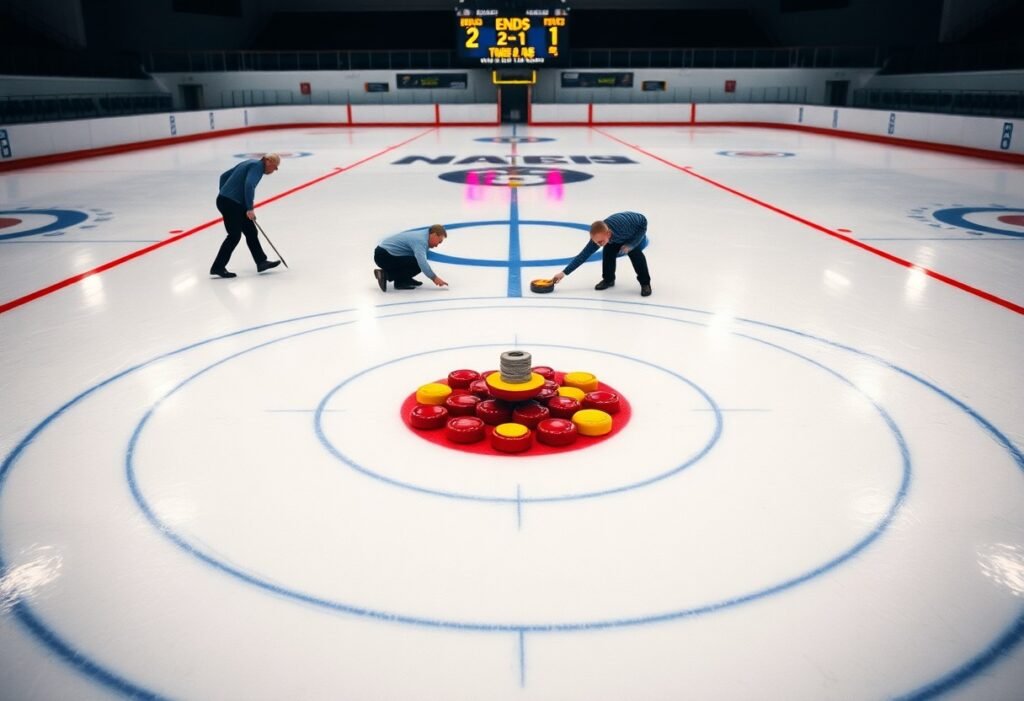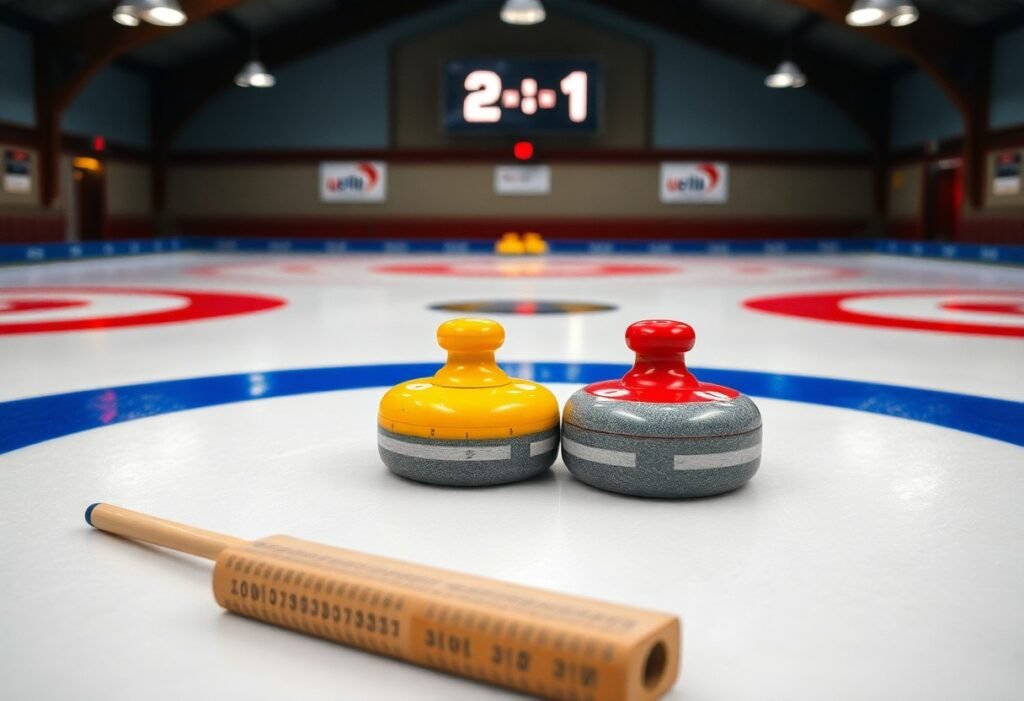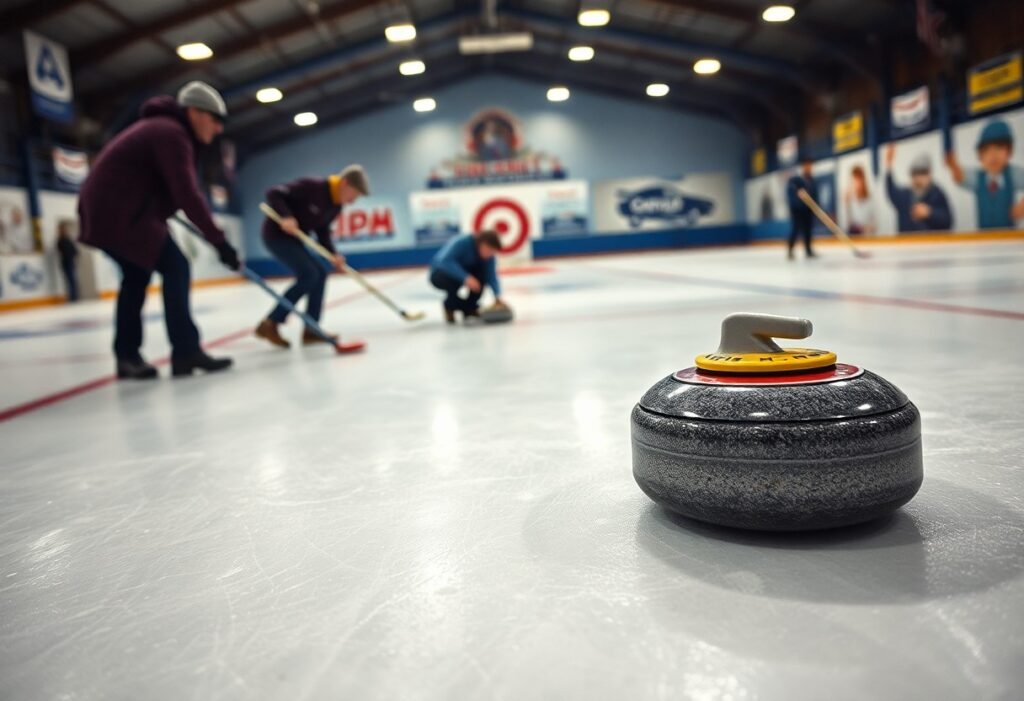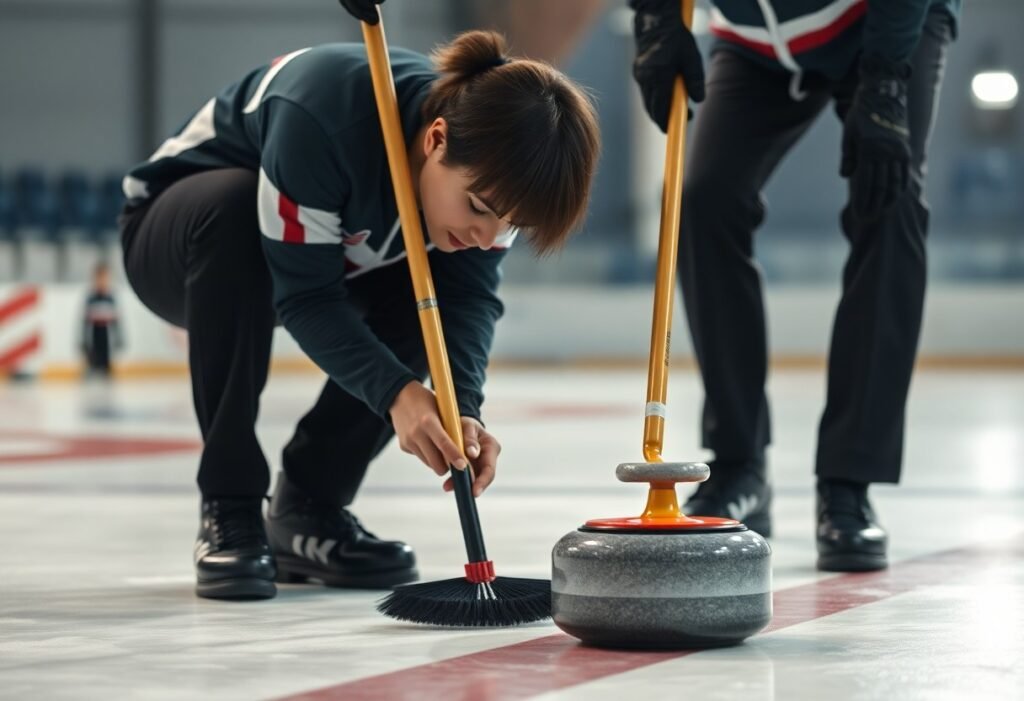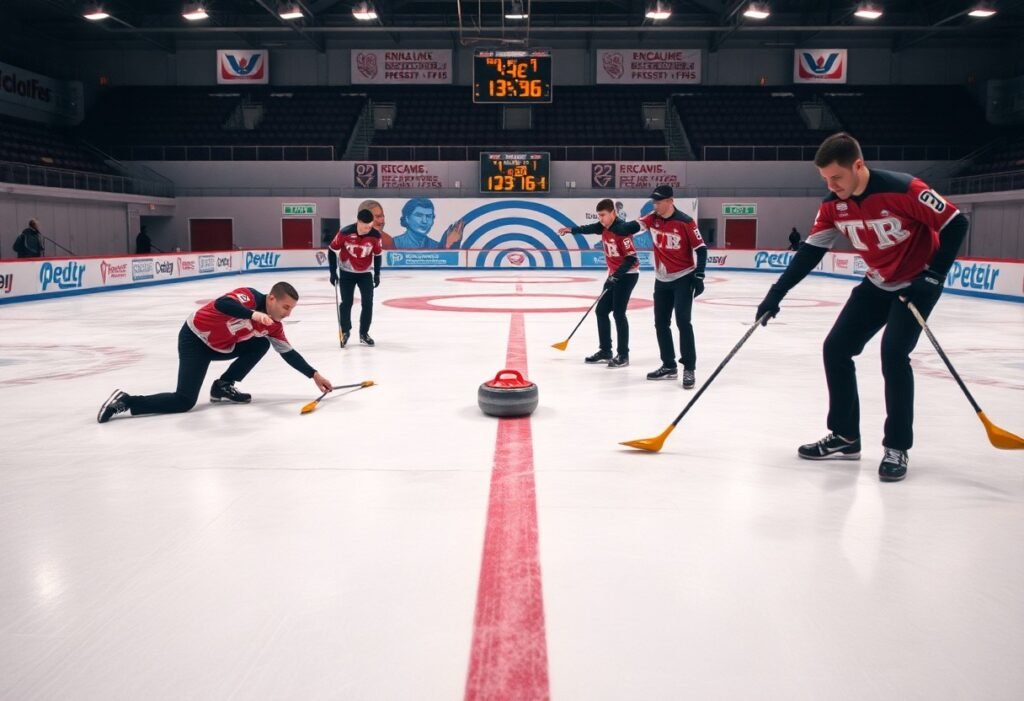

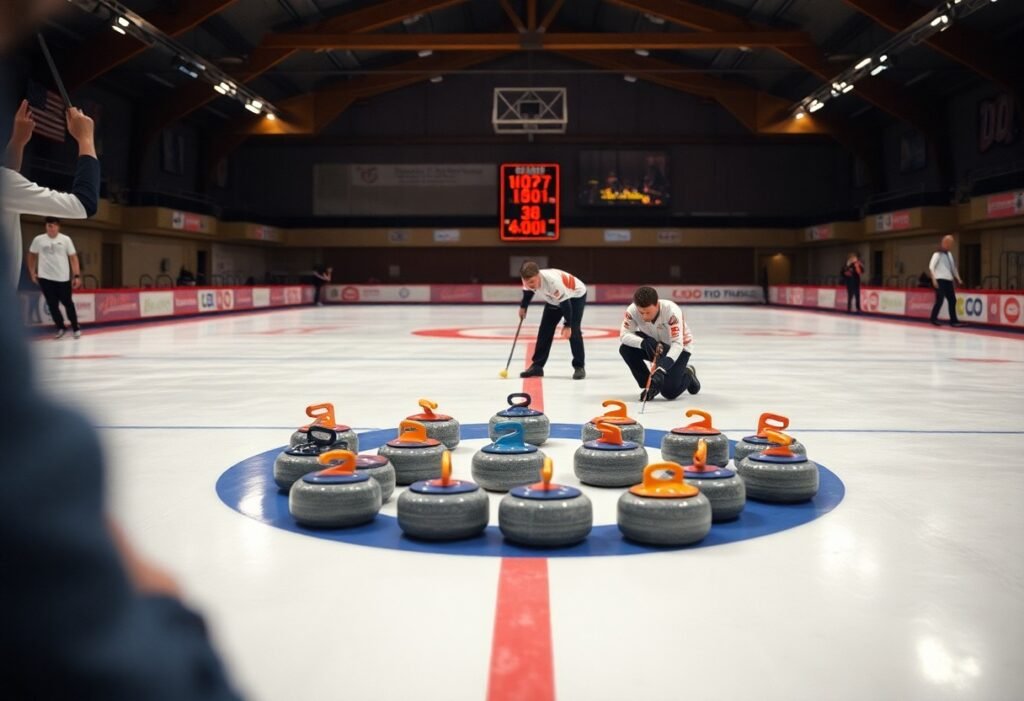
You can seize and keep control of the house by emphasizing stone placement, ice reading, and team communication; guarding the button while using well-timed draws and takeouts forces opponents into difficult choices, but be aware that over-aggression risks leaving open angles for counters. Focus on consistent weight control and hone your sweeping discipline to convert opportunities into points and limit opponent scoring.

Key Takeaways:
- Use guards and center-line stones to shape scoring lanes – protect your draws when you have the hammer and force opponents into awkward angles when you don’t.
- Control the Free Guard Zone early: build a house with well-placed draws or execute timely peels to clear threats and simplify the end.
- Set up angles and manage weight: create run-back and double opportunities, call and sweep decisively, and adapt to ice conditions to secure shot outcomes.
Understanding the House
When you aim to control scoring, the house is the battlefield: a 12-foot circle composed of concentric rings where placement defines value. You must balance offensive draws and defensive takeouts, using guards and angles to deny easy paths. Effective control combines precise weight, accurate line, and proactive sweeping to shape which stones become scoring threats.
Importance of the House in Curling
You treat the house as the score zone where even a single stone can swing an end; positioning behind a center or corner guard often dictates whether you score multiple points or are forced to a single. The house’s concentric rings (12′, 8′, 4′) and the stone’s ~11″ diameter make angle plays and freezes highly effective when you execute them cleanly.
- hammer
- guards
- draws
- takeouts
Recognizing how those elements interact helps you choose when to protect, attack, or blank an end.
Key Factors Influencing House Control
You must master five interlinked factors: precise line to reach scoring areas, consistent weight to hit targets or bury stones, intelligent sweeping to adjust curl, anticipatory placement to create lanes, and strong communication so teammates execute strategy. Timing a guard or a freeze can convert a single-stone advantage into a multi-point end.
- line
- weight
- sweeping
- placement
- communication
Recognizing these factors in real time determines whether you control the scoring area or cede it.
For example, when you place a tight freeze on the button (within the 4′ ring) you often force a difficult removal that risks opening the house; conversely, a well-timed center guard combined with a buried draw blocks a straight takeout and creates double-run angles. Use the stone’s dimensions, guard depths, and path geometry-aiming for natural rebounds and angles off the rings-to manufacture extra scoring chances.
- freeze
- buried draw
- angle plays
- rebound
Recognizing which tactic to deploy under pressure separates steady ends from game-changing ones.
How to Control Setups
You can dictate setups by anchoring a first guard at 8-10 feet, then drawing behind it to hide shots 1-2 feet from the button; use a tight freeze within 6 inches to blunt counters. When you have the hammer favor a corner-side plan to build multi-stone possession; without hammer pressure the middle with split guards. For drills and deeper frameworks see Strategy and Tactics.
Tips for Strategic Placing of Stones
Place stones to limit opponent angles and build scoring lanes: start with a center or corner guard at 6-10 feet, follow with a draw 1-2 feet behind the tee, and use a freeze inside 6 inches to cancel runbacks. Assume that you force opponents into a narrow response to reduce their tactical options.
- Guard placement: 6-10 ft to block key angles
- Draw depth: 1-2 ft behind the button to hide shots
- Freezes: within 6 in to neutralize opponent hits
Utilizing Guards and Corners Effectively
You should use corner guards to stretch opponent coverage-placing one at 8-12 feet opens a lane for multiple draws and creates pressure for 2-3 stone sequences; pair a corner guard with a center freeze to force difficult takeouts. Vary weight so guards can be peeled, runbacked, or used as protection.
When you lead, deploy a staggered pair of corner guards to push play wide and force low-percentage hits; when trailing, place the first guard slightly deeper (10-12 ft) to allow raises and complicated behind-guard raises. Practice coordinated two-guard sequences in timed drills so you and your sweepers learn when to convert or pivot to a split-guard plan.
Reading the Opponent
Scan their first three ends for patterns: how often they call guards versus draws, whether the skip prefers high-weight takeouts, and which players make clutch shots. You can quantify tendencies-e.g., 8 of 12 takeouts (67%) signals a hit-first lineup, while 9 of 12 draws (75%) shows finesse-then set your match plan to exploit those splits before the fourth end.
Analyzing Opponent’s Strategy
You track who drives play-the lead’s guard frequency, the third’s runback accuracy, and the skip’s preference under pressure. If they blanked 2 of 6 ends (33%) to protect hammer, expect conservative end management. Also note possession stats: a skip converting 80% of takeouts means you should prioritize guards and force precision rather than open-ice trades.
Adjusting Your Approach
If they favor takeouts, you counter by protecting front-of-house guards and playing more freezes; if they’re draw-heavy, you peel guards and open lanes. Target the player with a 60-70% conversion on key shots to manufacture misses. When you have the hammer, force them into narrow angles and make them throw under pressure, shifting the game toward ends where their weaknesses are magnified.
In practice, if their lead misses heavy hits (3 of 10 failed takeouts), you intentionally clutter the front with two guards and play a 6-10 foot come-around to hide your draw; if their vice converts only 60% of runbacks, set up shots that invite doubles. Conversely, when they convert 80% hits, increase guard removal and use the clock to induce hurried decisions late in the end.

Shot Selection
When choosing a play, balance offense and defense by targeting lane shape and opponent responses; you can opt for a draw behind a guard to build a multi-rock setup or choose a hit to remove a key stone and force a single. Prioritize the shot that preserves your scoring lanes while increasing the opponent’s risk, and be ready to adjust if ice or traffic change.
Choosing the Right Shot Type
You should pick a draw when you need to hide and create scoring depth, favor a hit-and-roll to remove a counter while occupying the button side, and use a freeze to neutralize an opponent’s counting stone; choose the type that best matches your end-goal and available angles.
- Draw – protects your scoring rock behind guards.
- Hit-and-roll – removes threats while leaving a covering stone.
- This Peel clears long guards when you need an open lane for later shots.
Factors to Consider for Successful Execution
You must align weight, line, and sweeping so your shot hits the intended spot; account for ice speed, guard thickness, and the opponent’s stones that can change angles, and communicate clearly with your sweepers to control curl and distance.
Consider the rink: the house is a 12-foot circle with 8‑ and 4‑foot rings that define scoring targets, so aiming 1-2 feet off the button can force difficult angles for opponents. When guards sit at 8-10 feet, a successful draw behind them often converts a hammer advantage into two points; adjust weight by small increments and call line early.
- Ice speed – faster surfaces reduce curl; adjust weight down accordingly.
- House geometry – use the 4‑ and 8‑foot rings to judge entry angles.
- This Communication ensures sweepers and shooter sync on line and weight.

Team Communication
You and your teammates must keep communication concise and constant during ends. Use a pre-agreed one-word call for weight and a short direction phrase for line, and confirm every call aloud so sweepers know when to commit. Practice 10-15 minutes per practice on calls and timeout usage; teams that rehearse signals reduce hesitation and avoid easy misses in tight ends.
Establishing Clear Signals
Agree on a simple numeric weight scale (0-4) and a small set of hand signals for line, using broom angle to indicate curl. Always have the skip repeat the scale when ice changes, and confirm with a quick verbal “got it” so sweepers act without doubt. Use practice drills where one mis-signal triggers immediate correction to instill precision under pressure.
Importance of Team Cohesion
When your team trusts each other, split-second decisions become automatic: sweepers commit hard, the skip reads ice without second-guessing, and the front end reads weight and line reliably. Several world champions credit consistent end management to close, practiced rapport; maintain a shared vocabulary and post-end debriefs to keep that trust sharp and reduce costly hesitation in the house.
Build cohesion with targeted drills: 5-minute silent-communication sessions, signal-only throws, and role-reversal practices where your skip sweeps and a front-end calls line to expose gaps fast. Also schedule weekly 15-20 minute strategy reviews to align expectations and review incidents so your team converts more steals and protects leads under pressure.
Practicing Strategy
Schedule 40-60 minute practice blocks 3 times per week that mimic match pressure: spend 15 minutes on ice reading, 20 on shot selection under a scoreboard scenario, and the rest on execution. Set measurable targets-hit 8 of 10 draws to the button, make 6 of 8 wing takeouts-and rotate the skip role so every player learns decision-making under time and score constraints.
Drills to Enhance Strategic Thinking
Use focused drills like the 5-rock guard game, the freeze-to-button repeat (10 reps per player), and a 2-end simulated score scenario where you must either steal or blank; allocate 12-15 minutes per drill. Incorporate forced-choice moments-two viable calls with different risks-and track outcomes so you can quantify which selections yield a higher shot-success rate.
Learning from Mistakes
After matches and practices, perform a video review of the last 6 ends, mark the top 2-3 turning decisions, and log them with context: ice, score, and intended outcome. Use those notes to adjust future calls and to create micro-goals that reduce repeat errors.
Implement a simple 4-column review sheet: decision, expected result, actual result, corrective action; update it weekly and assign one corrective drill per player for the next 7-14 days. For example, a regional club cut missed freeze attempts from 30% to 12% after an 8-week program of targeted drills and weekly video sessions, showing how focused analysis yields measurable improvement.
To wrap up
The way you manage weight, line and angles while balancing offense and defense determines control of the house; prioritize guards and center-line draws, vary takeouts to remove key stones without opening angles, communicate with sweepers to adjust ice, and use hammer strategy to force mistakes-this disciplined approach lets you dictate play and convert ends.
FAQ
Q: How should a team use the hammer to control the house?
A: When you have the hammer, prioritize creating a scoring zone that forces the opponent into difficult decisions. Start by deciding between centre-ice control (centre or tight guards) and corner play; centre guards make draws to the button more protected but invite more traffic, while corner guards open angles for hidden runbacks. Use early guards and well-placed draws to build layers you can access with the last rock. If the end becomes congested, choose between tapping or promoting your stones and executing a big double or runback; if the ice favors hitting, plan to remove guards late. Keep the scoreboard and end count in mind – blanking is a valid tool to preserve the hammer for a better scoring opportunity. Communicate weight and line clearly so sweepers can manage placement precisely for a final draw or hit-and-roll.
Q: What guard and angle strategies help lock down the front of the house?
A: Use staggered guards to create multiple layers that complicate direct access to the button. Centre guards are powerful for blocking straight draws; corner guards open up angles for runbacks or promoted shots. Place guards at different distances so opponents must choose between drawing around or attempting risky takeouts; shallow guards force precise tap-backs while deep guards can hide stone placements. Employ freezes to neutralize opponent stones in the house and use tick shots early to nudge opposing centre guards off the centre line without moving them into the scoring area. When planning hits, aim for angles that roll your shooter to safety behind guards or into scoring positions, transforming a removal into a positional gain.
Q: How should a team defend without the hammer to limit the opponent’s scoring?
A: Focus on simplifying the front and forcing the opponent to score a single or take a narrow path. Peel guards when they become threatening so the house stays visible and accessible for your takeouts. Create clutter in front of the house only when it makes opponent shots harder; strategic freezes can lock up the forecourt and make straight draws risky. Force attempts by placing stones that split the shooting lanes, then apply pressure with well-timed takeouts to remove building stacks. When ahead, prioritize safe hits and clearance to prevent multi-point ends; when behind, set up guards and hidden stones that give you steal opportunities.
Q: How do ice conditions and stone behavior change house-control strategy?
A: Adapt strategy to curl, speed, and how stones are running that game. If the ice is tight with predictable curl, favour draws and precise guards because placement is reliable; if curl is variable or faster, favour hits and peels that reduce reliance on fine draws. Track hog-to-hog times and early-shot feedback to calibrate weight calls and release adjustments. Communicate continuously between skip and sweepers about sweep effectiveness and line changes; small shifts in sweeping can turn a guard into a usable screen or a miss into a made draw. Adjust plan mid-end: if draws are breaking, switch to hit-oriented tactics; if hits are over-running, slow the end with freezes and guards.
Q: What endgame tactics are most effective for controlling the house in tight matches?
A: In late ends, prioritize options that best protect your score objective: lock stones into the house to make removal costly, or clear front guards to prevent opponent clutter. Use ticks and peels to neutralize centre guards that would give opponents easy access. If holding the hammer with a chance to score multiple, engineer a manageable double or promote; if a single is safer and preserves the lead, aim for that and avoid risky attempts. When trailing, build complicated fronts to create steal chances and pressure opponents into mistakes. Always weigh the scoreboard: sometimes surrendering an end to preserve hammer or force an advantageous final end is the most effective path to control the match.