
There’s a dynamic skill that can elevate your game: the wall shot in padel. By mastering this technique, you can effectively use the walls to your advantage, making your opponent scramble and increasing your chances of winning the point. Focus on your timing, angle, and rebound control to ensure your shots are both strategic and effective. This guide will take you through the vital steps to execute wall shots with precision and confidence.
Key Takeaways:
- Position yourself correctly to anticipate the ball’s trajectory after the bounce off the wall.
- Use the wall to your advantage by directing your shots at angles that create difficult returns for your opponent.
- Practice timing and reflexes to improve the accuracy of your rebound shots.
Understanding Wall Shots
Definition of Wall Shots
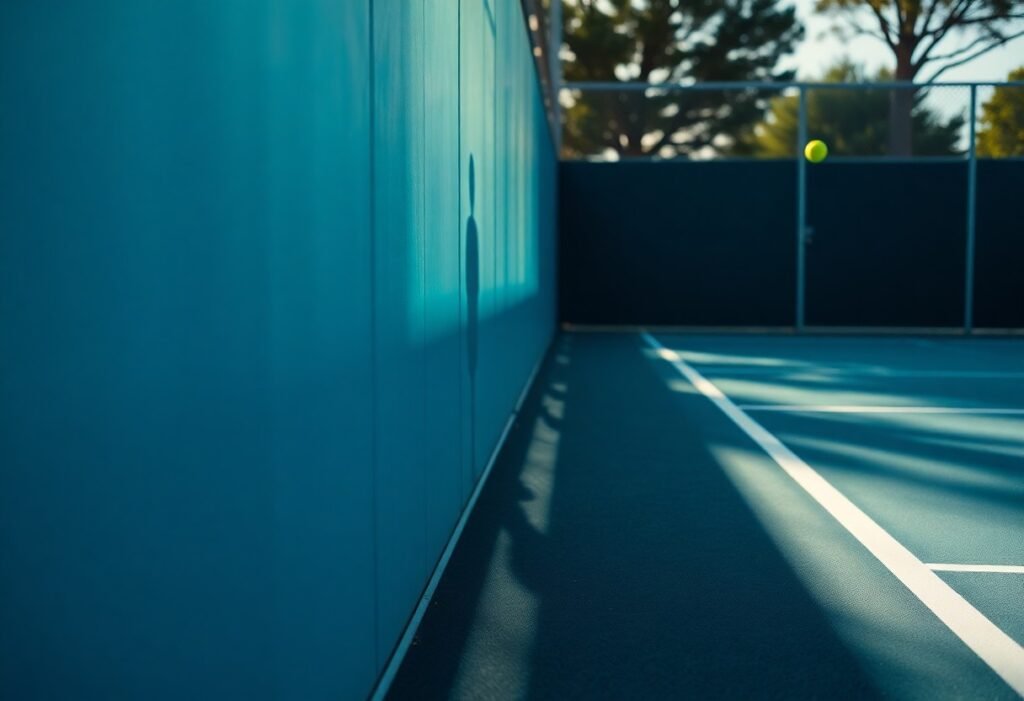
A wall shot in padel refers to a stroke where you hit the ball against one of the side walls, allowing it to rebound into your opponent’s court. This technique leverages the wall’s angle to create unpredictable trajectories, making the ball difficult to return. By using wall shots effectively, you can maintain control of the point and dictate play.
Importance of Mastering Wall Shots
Mastering wall shots significantly enhances your game, offering both offensive and defensive advantages. This skill allows you to exploit your opponent’s weaknesses while creating opportunities to attack. A well-executed wall shot keeps your opponent on their toes and can lead to more errors on their part.
Enhancing your proficiency with wall shots contributes to a more dynamic playing style. Statistics show that players who effectively utilize walls in their strategy win points about 15-20% more often due to the unpredictability they create. By building this skill, you’re not just improving your shot-making ability but also increasing your chances of dominating rallies and crafting strategic openings for winning points.
Key Factors for Effective Wall Shots
- Positioning on the Court
- Angle of the Rebound
- Timing and Anticipation
Positioning on the Court
Your position on the court significantly influences the efficacy of your wall shots. Ideally, you should maintain a stance that allows you to move freely towards the wall. Positioning yourself closer maximizes your ability to predict the ball’s trajectory and angles. Proper court positioning enhances your response time and options, making the shot more effective.
Angle of the Rebound
The angle of the rebound is key for your wall shots’ success. Aim to hit the ball at an angle that directs it back towards your opponent while utilizing the wall to your advantage. The right angle can amplify pressure on your opponent, forcing them into a tougher return or error.
Experimenting with different angles can yield various benefits. For example, hitting the ball high on the wall can create a difficult shot for your opponent, whereas a low angle may lead to a quick response. Effective use of angles complicates your opponent’s strategy, maintaining an element of surprise.
Timing and Anticipation
Your ability to anticipate the ball’s direction and timing is vital for executing wall shots effectively. Watch your opponent closely, and be prepared to react quickly. Being proactive enables you to make quick adjustments, ensuring a better shot placement.
Great players continuously assess the pattern of play to predict where the ball will go next. A well-timed shot can catch your opponent off-guard, especially when combined with precise reactions. Developing this mental edge distinguishes competent players from skilled ones, enhancing your overall game strategy.
Recognizing these key factors will elevate your performance in padel, as mastering wall shots requires both physical skill and strategic acumen.
How to Set Up for a Wall Shot
Stance and Footwork
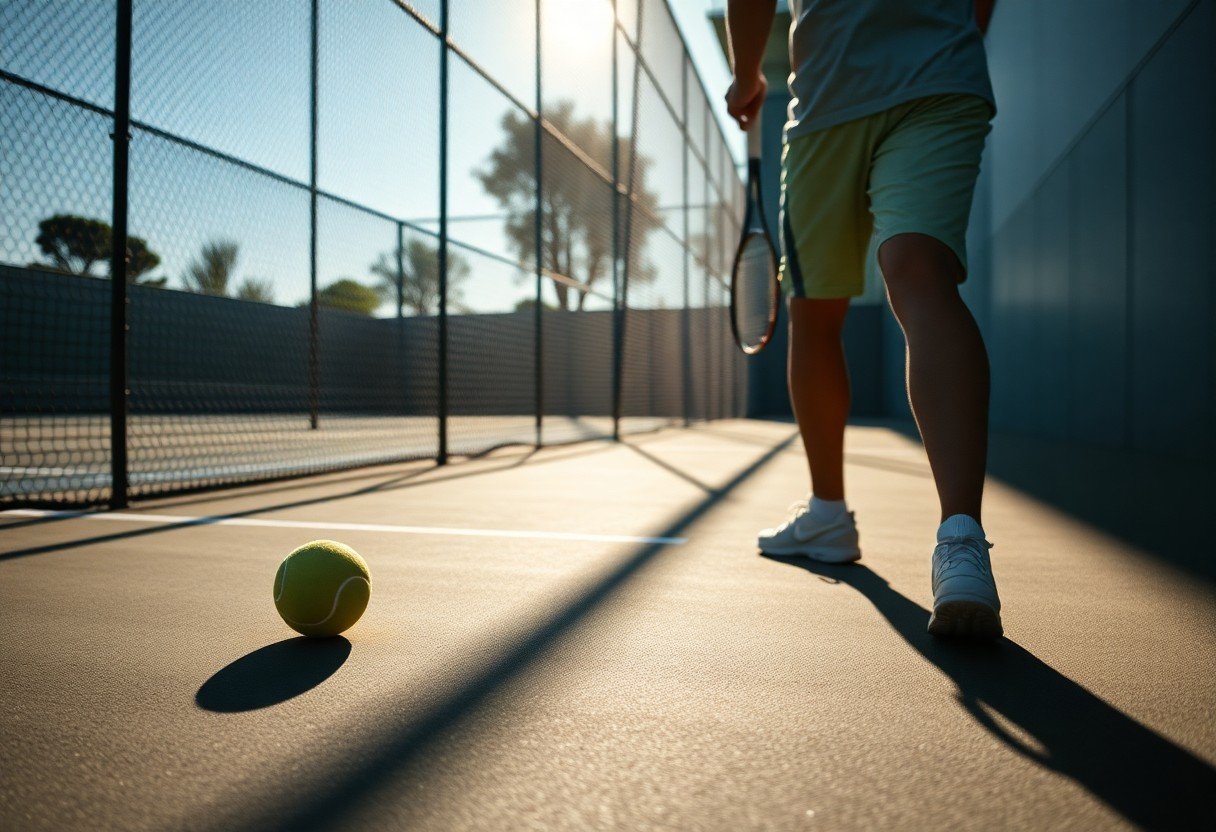
Your stance and footwork lay the foundation for an effective wall shot. Stand with your feet shoulder-width apart, knees slightly bent, and weight balanced on the balls of your feet. As you anticipate the ball’s rebound, take a few quick steps towards the wall, aiming to position yourself at a comfortable distance to execute the shot with precision.
Preparing Your Racket
A well-prepared racket can enhance your control and shot execution. Hold your racket with a firm grip, ensuring your non-dominant hand supports the throat for stability. Position the racket head slightly above the ball’s anticipated contact point, allowing you to adjust for various angles as needed.
Adjusting the grip and angle of your racket improves your margin for error. Use a semi-western grip for more spin and control while keeping the racket head angled forward. This setup enables quicker reactions and smoother transitions during your movement to the wall, refining your ability to direct the ball precisely where you want it.
Eye on the Ball
Maintaining your focus on the ball is crucial when preparing for a wall shot. As you track its trajectory, keep your eyes locked on the ball’s flight path, which allows you to predict where it’s going to rebound from the wall. This anticipation is vital in executing a successful shot.
Focusing solely on the ball minimizes distractions, enhancing your timing and reaction. As the ball approaches the wall, watch for any changes in speed and direction caused by its interaction with the surface. Adjusting your positioning based on these observations will enable you to achieve a sharper angle and an accurate shot, giving you an edge over your opponent.
Executing the Wall Shot
Hitting Techniques
When executing a wall shot, focus on your footwork and body positioning. Use a low, stable stance to balance as you strike the ball with an open or slightly closed racket face, ensuring you generate control over power. Aim to contact the ball at its highest point, allowing for a cleaner hit and maximizing the potential rebound angle. Practicing this consistently will enhance your ability to place the ball effectively after it bounces off the wall.
Utilization of Spin
Incorporating spin into your wall shots can dramatically alter the dynamics of the game. By applying topspin or slice, you can control the ball’s trajectory and make it more difficult for your opponent to return. For instance, topspin can bring the ball down quickly after it hits the wall, making it bounce in a way that may catch your opponent off guard.
Utilizing spin also allows you to create a variety of shots. With topspin, you keep the ball higher, allowing for aggressive follow-ups. Conversely, a slice can keep the ball low and skid upon hitting the ground, making it challenging for your opponent to strike back with power. By developing a strong understanding of spin mechanics, you’re not just hitting walls; you’re crafting a tactical advantage in every rally.
Common Mistakes to Avoid
Poor Positioning
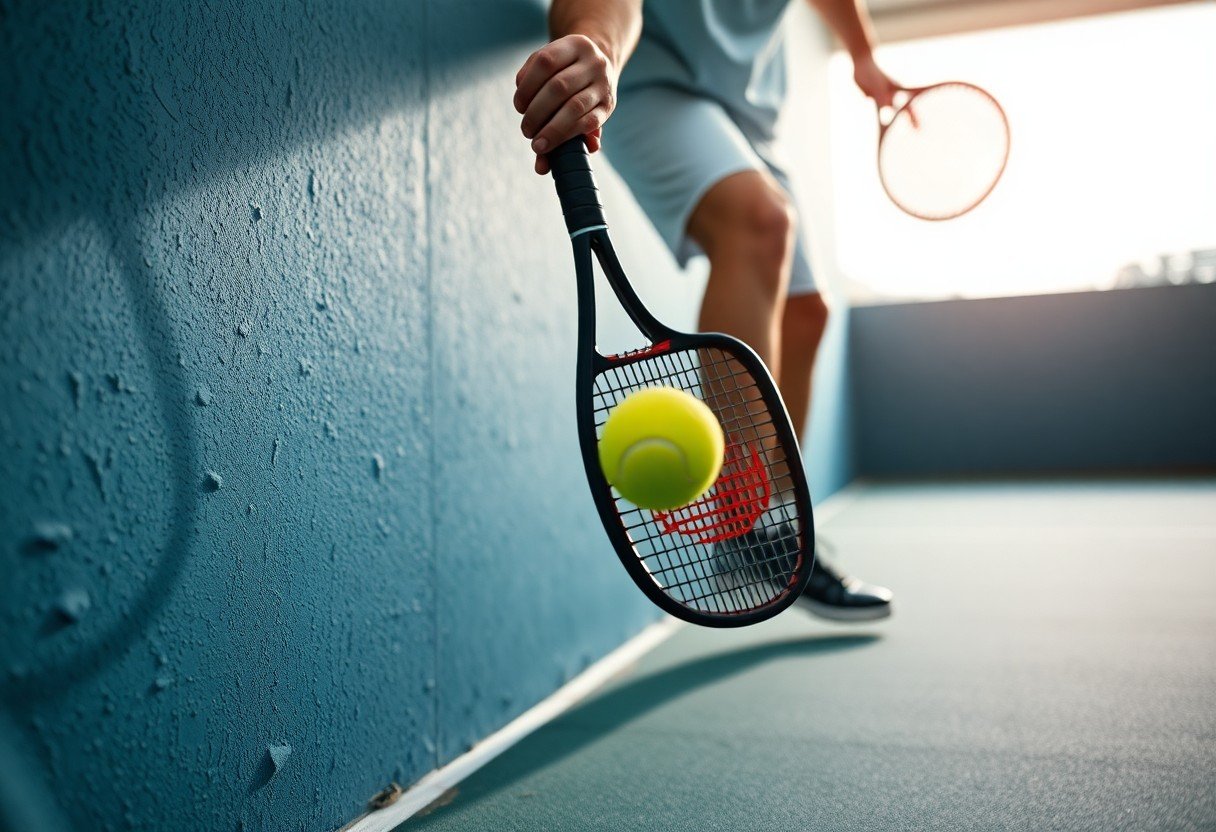
Your positioning on the court significantly influences your wall shot success. If you find yourself too close to the wall or too far away, you’ll struggle to make effective contact. Aim to position yourself at an optimal distance of about two steps away from the wall, allowing you to react efficiently while keeping the ball in your control.
Over-Hitting the Ball
Over-hitting occurs when you strike the ball with excessive force, leading to inconsistent shots. Ideally, focus on placement rather than power. Applying this approach can help you maintain control and improve your overall effectiveness during play.
Striking the ball too hard often results in wild, unpredictable shots. You should prioritize a balanced swing that meets the ball with just enough power to keep it within the court boundaries. Developing a feel for the appropriate amount of force can transform your gameplay; practicing softer touches will enhance your ability to place the ball accurately, even when under pressure.
Ignoring the Wall’s Angle
Understanding the angle of the wall is vital for effective wall shots. If you fail to account for how the ball rebounds off the wall, you may find yourself misjudging its path, leading to missed opportunities or errors in your gameplay.
The wall’s angle can significantly alter how the ball reacts after rebounding. Pay close attention to the way the ball travels at different angles, and adjust your positioning and swing accordingly. Practicing various wall angles will improve your ability to anticipate the ball’s trajectory, allowing for quicker, more effective responses during matches.
Practice Drills for Mastery
Solo Drills
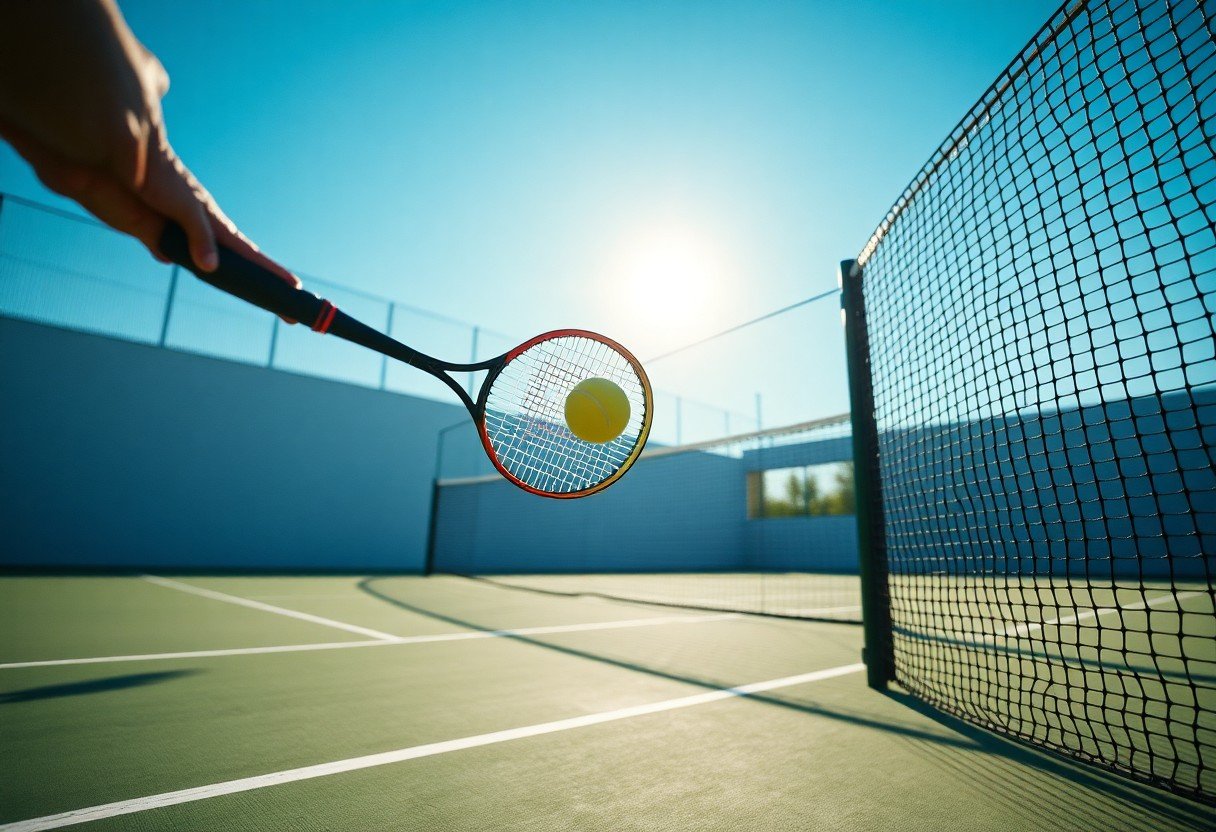
Begin by practicing against a wall. Focus on maintaining consistent contact with the ball while varying your shot placement. Aim for different targets on the wall to improve your accuracy. Developing a rhythm will help you anticipate rebounds, while also enhancing your footwork and positioning. Incorporate your forehand and backhand to ensure balanced development on both sides. For broader insights, check out Best tactics for tennis players who pummel fast shots ….
Partner Drills
Working with a partner can elevate your wall shot skills significantly. Practice by alternating shots, where one player focuses on hitting precise wall shots while the other retrieves and returns them. This creates a dynamic environment to enhance reflexes and adaptability. Aim for consistent rallies to develop a deeper understanding of rebound angles.
To advance your partner drills, introduce variations like targeting specific zones on the wall or integrating movement. Create scenarios where one player mixes up shot speed or direction, forcing you to adjust quickly. This not only sharpens your reaction time but also prepares you for real-match situations where opponents may employ unpredictable shots.
Competitive Scenarios
Simulating match conditions can provide invaluable experience. Set up practice matches where both players incorporate wall shots into their strategy. This helps you analyze decision-making under pressure and refine your tactical approach. Assess how well you can integrate wall shots with other techniques in a game-like environment.
Moreover, consider time-based drills where you must incorporate wall shots for a set period under competitive conditions. This will challenge your stamina and strategy, reinforcing your ability to leverage wall shots as a consistent part of your gameplay. Engaging in these scenarios will build your confidence, making you more effective during actual matches.
Tips for Improvement
- Focus on your positioning to control the angle of the wall shot.
- Practice your timing to enhance ball control.
- Incorporate drills that emphasize anticipation and reaction time.
- Analyze your game to identify weaknesses.
- Engage in regular practice sessions with a focus on technique.
Analyzing Your Game
To improve, you must scrutinize your past performances. Record your games and observe your decision-making during wall shots. This allows you to spot patterns, such as consistent errors or areas of strength, helping guide your focused practice sessions.
Seeking Feedback from Coaches
Consulting with coaches can elevate your game significantly. They have the expertise to identify specific areas that need improvement and can provide tailored exercises to enhance your wall shot technique.
Coaches offer valuable insights by observing your gameplay. They can pinpoint issues such as improper stance, timing, or follow-through, which may not be apparent to you. Their feedback is necessary for developing a strategic plan to address weaknesses and refine your skills, leading to greater consistency on the court.
Watching and Learning from Professionals
Observing professional players can vastly enhance your understanding of wall shots. Notice their footwork, shot selection, and how they utilize the walls to their advantage during matches.
Professional matches often showcase advanced techniques, including how elite players anticipate rebounds and position themselves for the next shot. By emulating their strategies and analyzing their movements, you can adopt effective methods to apply in your practice, improving your overall game strategies and shot execution in real-time scenarios.
To wrap up
Taking this into account, mastering wall shots in padel enhances your game significantly. Focus on your positioning, timing, and the angle of your racket to effectively utilize the rebound. Practice consistently to develop your reflexes and decision-making skills on the court. Assess your opponent’s positioning and adapt your shots accordingly to keep them off balance. By integrating wall shots into your strategy, you will not only elevate your performance but also make the game more challenging and enjoyable.
FAQ
Q: What are wall shots in padel?
A: Wall shots in padel refer to shots where the ball is played off the side or back walls. This technique allows players to use the rebound to create angles and set up subsequent shots.
Q: How do you execute a wall shot in padel?
A: To execute a wall shot, position yourself to anticipate the ball’s trajectory, aim for the wall at an angle, and hit the ball with either a forehand or backhand. Ensure you follow through to control the rebound.
Q: When should I use a wall shot during a match?
A: Use wall shots when your opponent fails to cover the court, when you want to change the direction of the ball, or when you need to regain control after being pushed back. They are effective for surprise plays.
Q: What are some common mistakes to avoid when playing wall shots?
A: Common mistakes include hitting the ball too hard, failing to angle your shot properly, and not positioning yourself correctly after the rebound. Focus on timing and placement for better outcomes.
Q: How can I practice wall shots effectively?
A: Practice wall shots by repeatedly hitting against the wall, adjusting your angle and distance. Work on both forehand and backhand shots, and incorporate partner drills to simulate match situations.