
Many new players are eager to look into padel, but understanding the fundamental rules is important for an enjoyable experience. You’ll learn about the scoring system, serving techniques, and court boundaries that define the game. Knowing these key aspects will not only prevent common mistakes but also enhance your gameplay and enjoyment. Whether you’re playing for fun or competition, grasping the basics will set you on the path to success in this exciting sport.
Key Takeaways:
- Padel is played with a solid racket and a ball similar to tennis, but the scoring system matches that of tennis.
- Players can use the walls during play, allowing for unique strategies and shot placements.
- A match consists of two teams of two players each, and serving must be done underhand from behind the service line.
Overview of Padel
What is Padel?
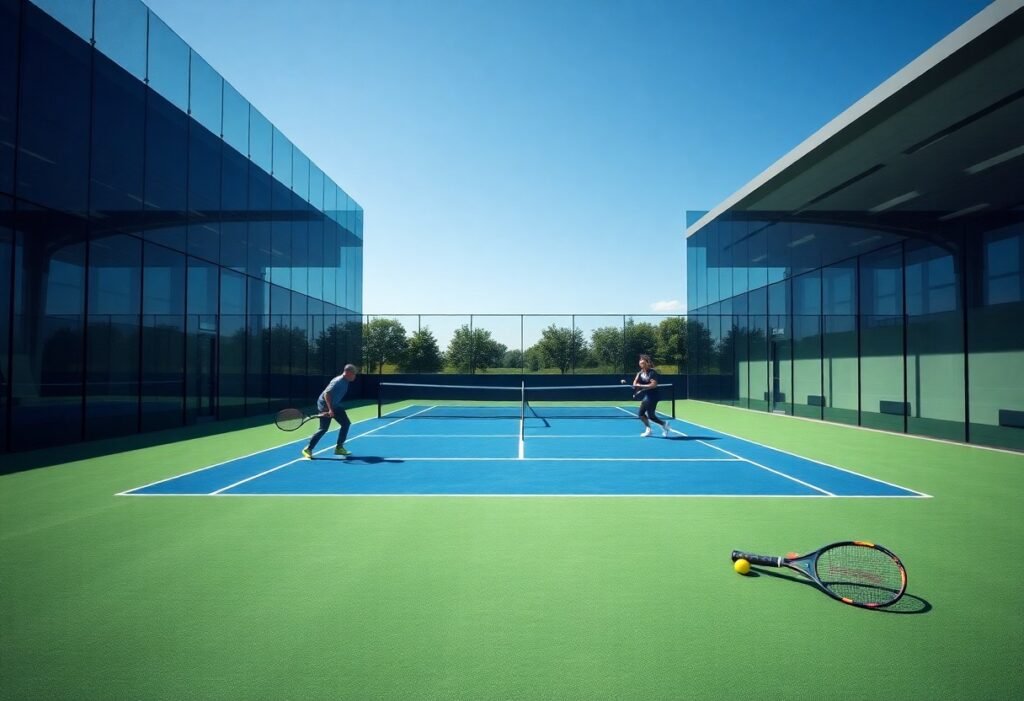
Padel is a racquet sport that combines elements of tennis and squash. It is played in an enclosed court, measuring 20×10 meters, where you can use the walls to return the ball. In padel, you typically play in doubles, which allows for dynamic gameplay and quick exchanges, making it both fun and engaging for players of all skill levels.
Brief History of Padel
Originating in Mexico in the late 1960s, padel was created by Enrique Corcuera when he adapted an old squash court. The sport quickly gained popularity, especially in Spain, where it blossomed into a mainstream activity.
Over time, padel spread across Europe and South America, gaining recognition for its accessibility and social nature. By the 1990s, formal organizations began to form, establishing rules and organizing tournaments. Today’s padel community thrives with international competitions and hundreds of thousands of enthusiasts worldwide.
Padel vs. Tennis: Key Differences
The primary difference between padel and tennis lies in the court and gameplay style. Padel is played on a smaller, enclosed court with walls, while tennis courts are larger and open. Additionally, padel is predominantly played in doubles, promoting teamwork and strategy.
In padel, you can use the walls to play the ball, which adds a unique tactical dimension not found in tennis. The scoring system is similar, but the pace and interactions often feel more rapid due to the smaller court size, making it an infectious social sport.
Popularity and Global Reach
Padel’s popularity has surged in recent years, becoming one of the fastest-growing sports worldwide. Countries like Spain and Argentina have silenced their critics by embracing padel, boasting thousands of courts and a dedicated fan base.
In Spain alone, there are over 11,000 padel courts, and the sport has captivated a young audience. Internationally, padel is expanding into markets like the UK, the US, and Asia, with global organizations promoting professional tournaments, showcasing top players, and fostering community engagement around the sport.
Basic Equipment
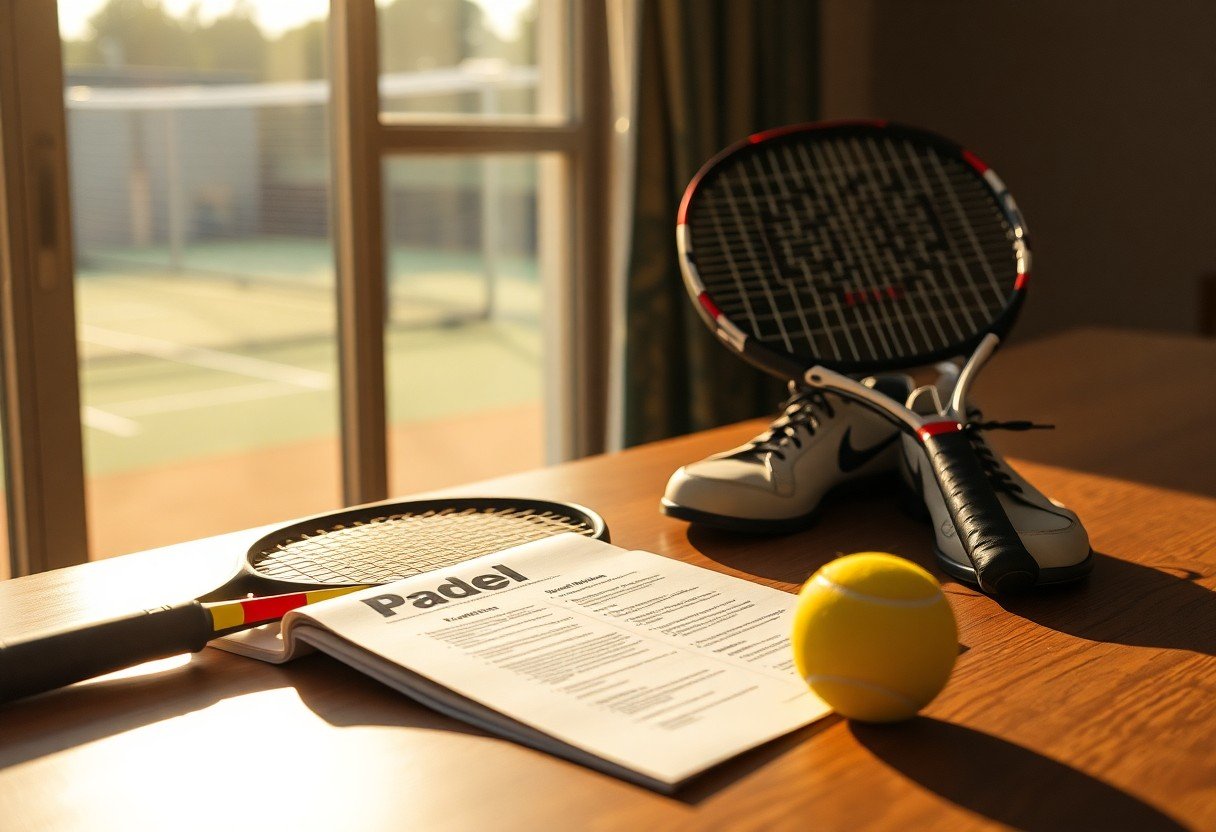
In padel, the right equipment is necessary to ensure an enjoyable and competitive experience. For an extensive overview of necessary Basic Padel Rules, understanding the equipment used is vital for beginners. Let’s investigate into the key components needed to play the game.
Padel Racket: Features and Types
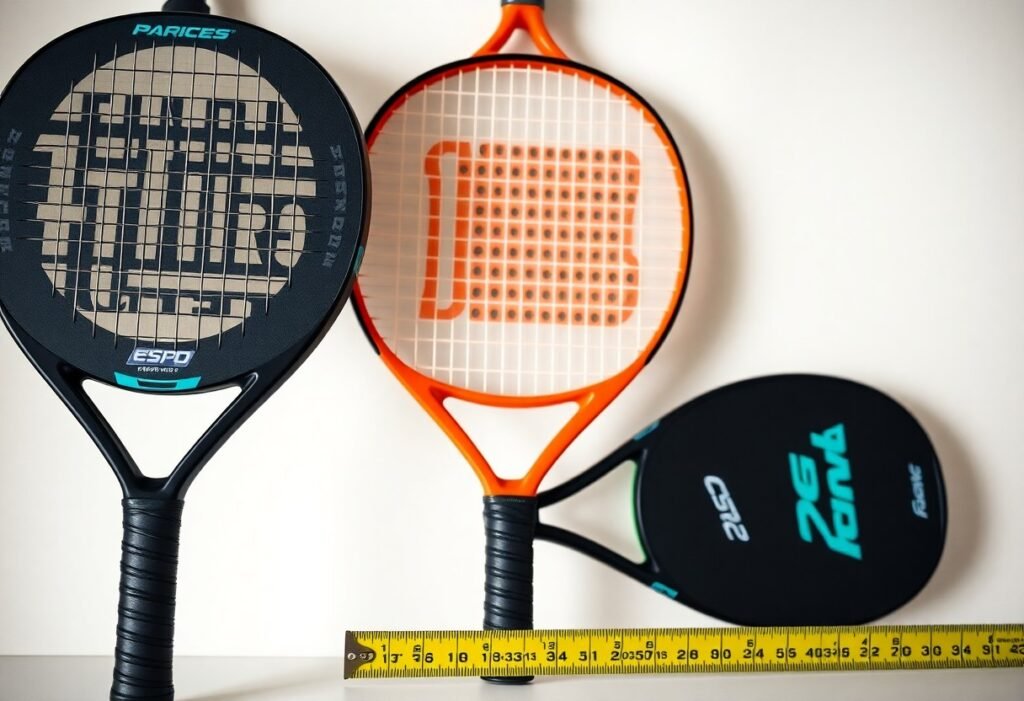
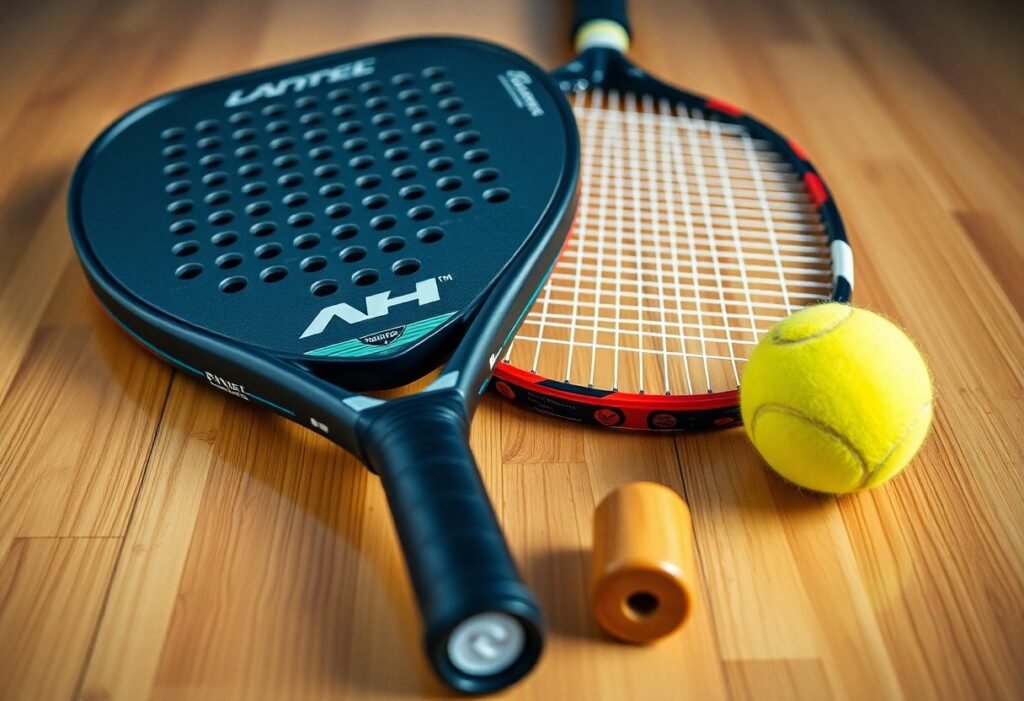
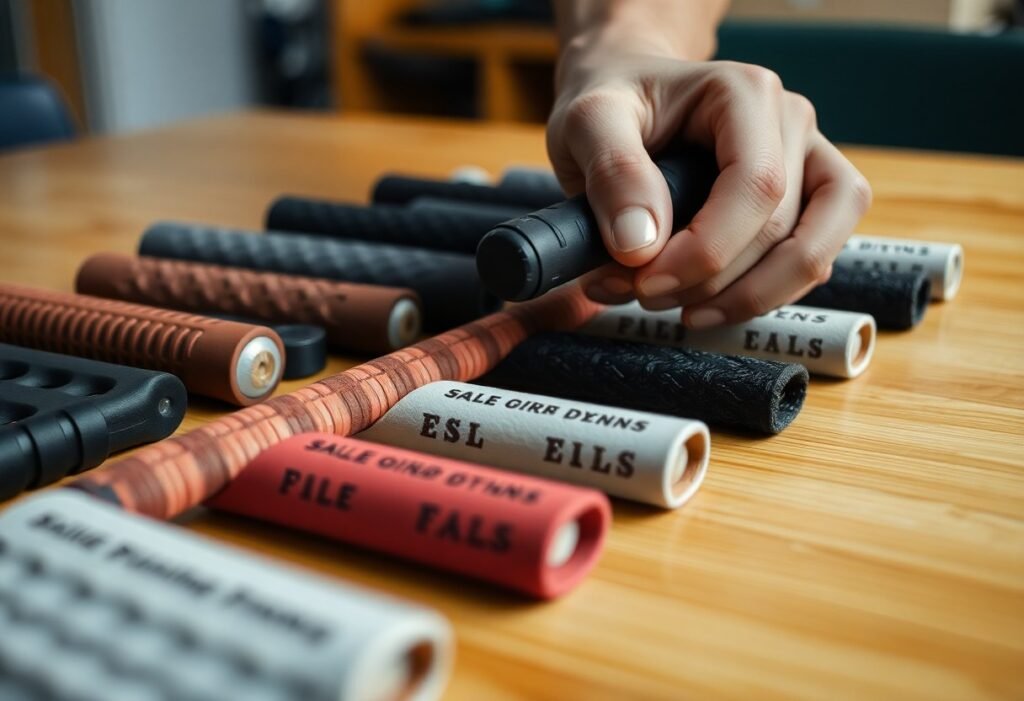
Your choice of padel racket significantly influences your gameplay. Rackets generally have a solid frame with holes to reduce air resistance. They vary in shape, weight, and balance, affecting power and control. The primary types include:
- Round rackets – offer more control.
- Teardrop rackets – balance power and control.
- Diamond rackets – enhance power for advanced players.
- Lightweight rackets – ideal for beginners.
Perceiving these differences helps you select the appropriate racket for your skill level.
Padel Balls: Specifications and Differences
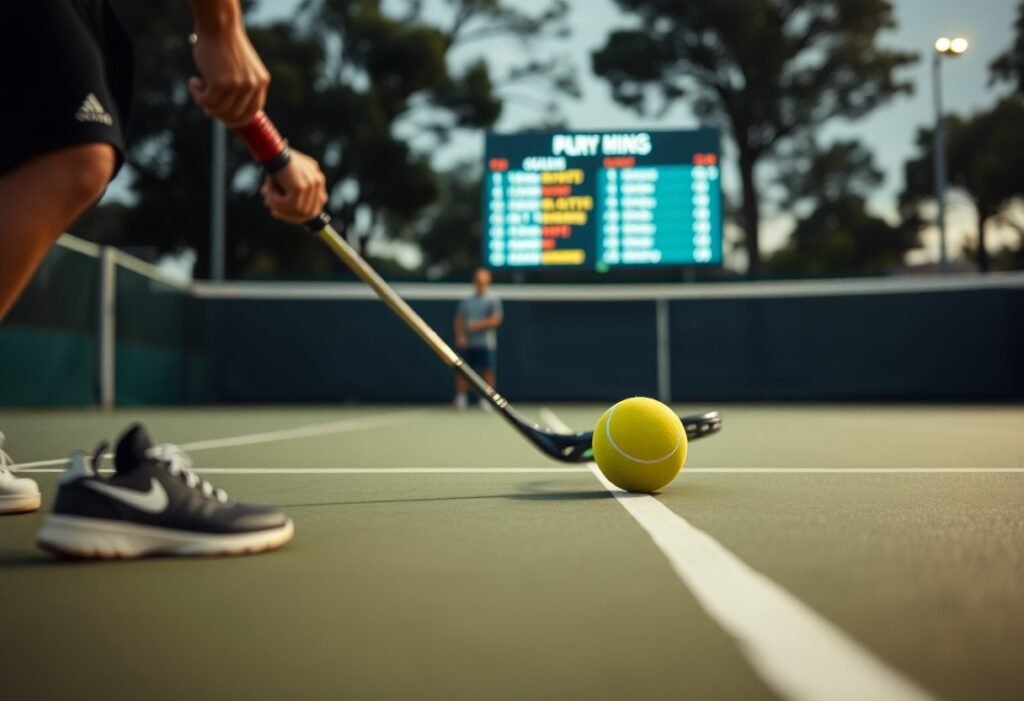
Padel balls are similar in appearance to tennis balls but have specific characteristics. They typically have a diameter of 6.35 to 6.77 cm and a slightly lower pressure, which impacts their bounce during the game.
Understanding the specifications of padel balls is important, as they are designed for unique play styles. The construction involves a rubber core with a felt covering, ensuring durability and consistent performance. Additionally, the pressure inside padel balls is lower compared to tennis balls, providing a softer bounce, which is more suitable for enclosed courts. This allows for longer rallies and enhances strategic gameplay.
Padel Court: Dimensions and Layout
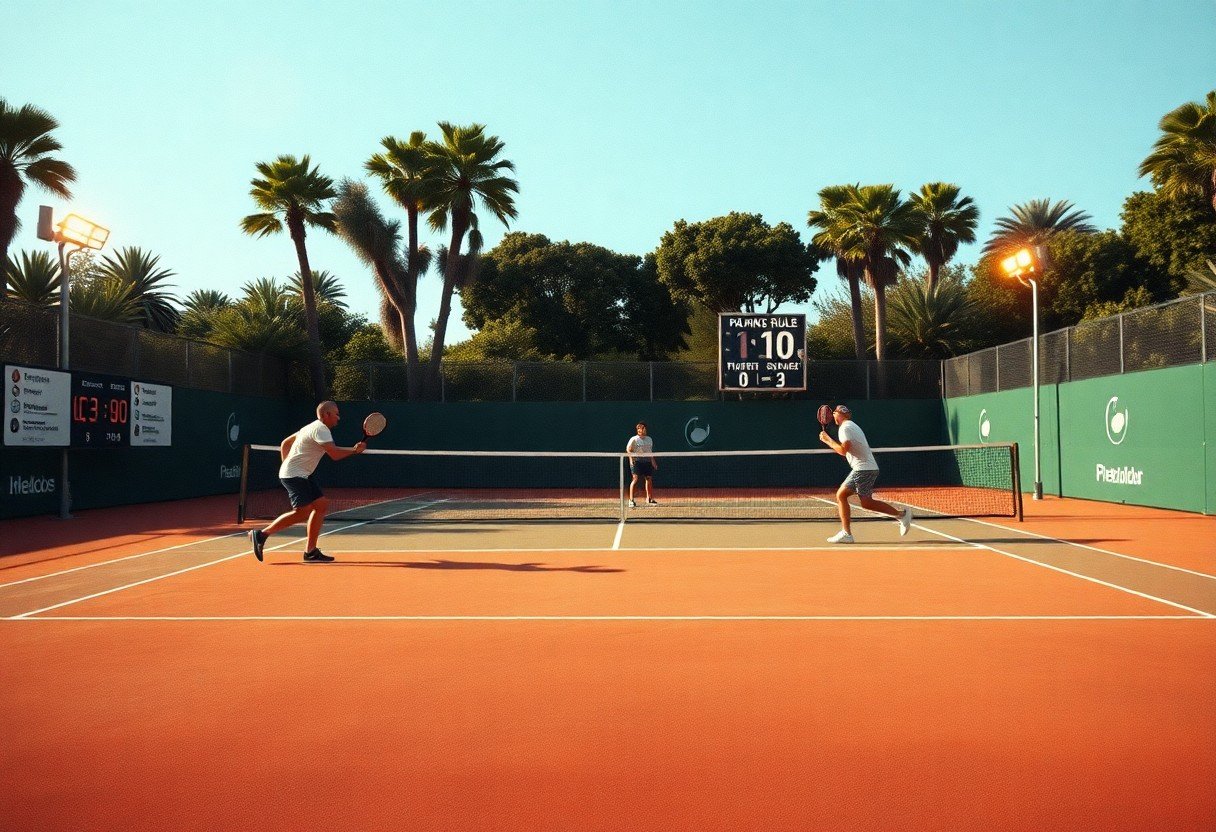
The standard padel court measures 20m long and 10m wide, enclosed by walls and nets. This layout fosters exciting rallies and quick exchanges.
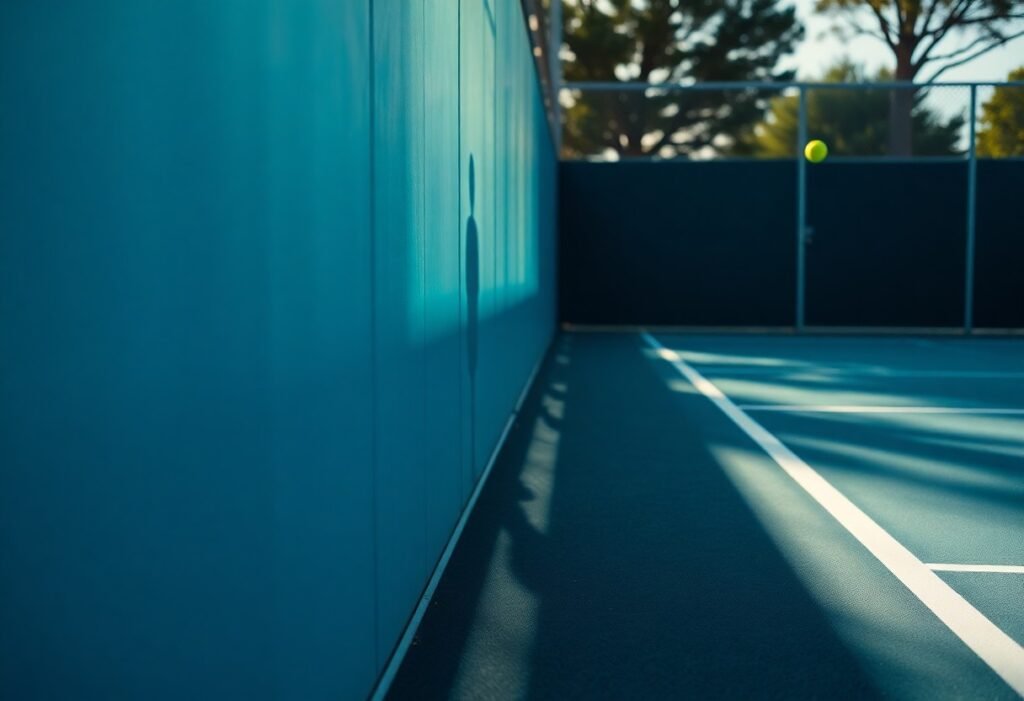
The dimensions and layout of a padel court are designed to encourage dynamic gameplay. The court consists of glass walls at the back and part of the sides, which allows players to use these surfaces strategically during rallies. The net divides the court into two equal halves, and the service areas are marked to guide players on how to serve correctly. The enclosed nature of the court creates a unique environment where gameplay strategies can thrive.
Appropriate Footwear and Attire
Your choice of footwear is necessary for optimal performance on the court. Look for shoes with good grip and support tailored for court sports.
Opting for the right footwear and attire is vital in preventing injuries and enhancing your performance. Specific padel shoes feature a non-marking sole and lateral support to facilitate quick movements and sudden stops, all while maintaining stability on the court. Additionally, wearing moisture-wicking clothing helps keep you comfortable during intense matches, allowing you to focus entirely on your game. Investing in quality gear ensures you perform at your best while enjoying the sport.
Fundamental Rules of Padel
Scoring System
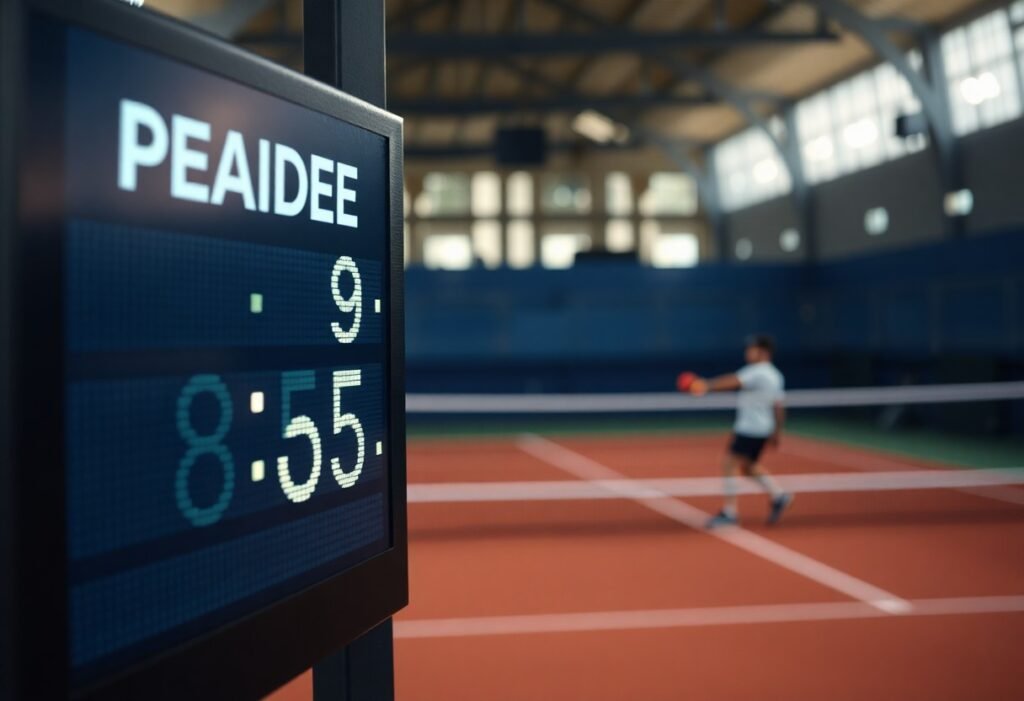
In padel, the scoring system mirrors that of tennis, using a format of 15, 30, 40, followed by game and set wins. A match typically consists of the best of three or five sets, requiring you to win six games with at least a two-game lead. If you reach a 6-6 tie, a tie-breaker is played to determine the winner of the set.
Serving Rules
The serve is executed underhand, with the ball bouncing once in your service box before you hit it. You must keep your feet behind the service line and must switch sides after every game. Each player or team gets two attempts to serve, and failing both results in a fault.
A key aspect of serving is that the ball must be hit below waist height, allowing for a controlled and strategic play. Ensuring proper placement can give you an early advantage, as serving accurately into your opponent’s weaker zones increases your chances of winning the point.
Rally and Point Play
Once the ball is in play, you are free to use the walls, making padel’s rallies dynamic and unpredictable. Points are won when your opponent fails to return the ball before it bounces twice or hits it out of the court. Clever shot placement and utilizing the walls adds layers of strategy to the gameplay.
Engaging in rallies requires you to maintain focus and adapt your positioning constantly. This interplay not only tests your skills but also challenges your opponents’ abilities to react, often resulting in thrilling exchanges that can turn the tide of the match.
Faults and Let Situations
In padel, a fault occurs if your serve does not land in the correct box or if you miss your serve entirely. Let situations arise if the served ball hits the net but still lands within the correct service area; in this case, you are allowed to re-serve.
Understanding faults is critical, as multiple faults can hinder your game significantly. Additionally, learning to anticipate let situations can provide you with opportunities to adjust your strategy mid-serve, ensuring you are better prepared for each point.
Playing Techniques
Basic Strokes
Mastering the basic strokes is necessary for effective padel play. The two primary strokes you’ll use are the forehand and backhand. Your forehand is typically performed with an open stance, generating power through body rotation, while the backhand can be executed with either one or two hands, depending on your comfort. Consistent practice of these strokes enhances your ability to control the ball and place it strategically on the court.
Serving Techniques
Your serve sets the tone for each point, so perfecting your serving technique is vital. In padel, the serve must be executed underhand and should bounce in the service box diagonally opposite you. Focus on a smooth motion, starting low and lifting the ball as your racket swings up, ensuring it clears the net while maintaining accuracy.
A strong serve can create pressure on your opponents, allowing you to dictate the pace of the game. Practicing different angles and placements, such as serving wide or down the middle, can help you exploit weaknesses in their formation and increase your chances of winning the point. An underhand serve, when executed correctly, can also catch your opponents off guard.
Defensive and Offensive Strategies
Understanding when to adopt defensive or offensive strategies is key to success. In defensive play, your focus should be on returning the ball accurately and positioning yourself to anticipate your opponent’s shots. Conversely, offensive strategies involve aggressively targeting your opponent’s weaknesses and taking calculated risks to win points.
For example, when your opponent is out of position, attacking with a well-placed volley can result in a quick point. Alternatively, if you sense a rally is in your favor, consider employing drop shots or lobs to disrupt their rhythm. The ability to switch seamlessly between these strategies based on the game’s flow enhances your competitiveness.
Positioning and Movement on the Court
Your positioning and movement play a significant role in your overall performance. Typically, you should maintain a balanced stance and be ready to shift quickly in response to your opponent’s shots. Efficient footwork allows you to cover the court and set up for your next stroke effectively.
Staying closer to the center of the court allows for quicker reactions to both forehand and backhand shots. However, when attacking, you may need to venture toward the net. Always be aware of your partner’s position and communicate effectively to maximize coverage and avoid collisions. As you improve, optimizing your on-court movements will become second nature, enhancing your gameplay significantly.
Common Fouls and Infractions
Rule Infractions: Overview
In padel, understanding rule infractions is necessary for maintaining the flow of the game. Common faults include stepping on the service line during a serve, hitting the ball before it has crossed the net, and playing a ball that has already bounced twice. Each of these actions disrupts play and can lead to loss of points. Familiarizing yourself with these infractions will enhance your awareness and strategic approach on the court.
The Role of the Umpire
The umpire in padel is responsible for enforcing the rules and ensuring fair play. This official oversees the match, calls fouls, and provides guidance on questionable plays. Umpires have the authority to impose penalties for infractions, significantly impacting the match outcome. Their decisions are crucial in maintaining the integrity of the game.
Umpires are trained professionals who possess an in-depth understanding of padel regulations. They can make real-time decisions based on their perspective of the court, often interpreting the rules in a way that players might not grasp during gameplay. In competitive matches, the umpire’s knowledge and authority become even more vital, as any ambiguous situations can lead to disputes that affect both players’ performance and match results.
Penalties and Consequences
If you commit a foul, the penalties can vary depending on the severity of the infraction. Minor infractions often result in loss of the point, whereas serious violations may lead to warnings, game penalties, or even disqualification from the match. Consistent adherence to the rules is necessary, as repeated infractions can drastically shift the momentum of the game.
Understanding the penalties associated with specific infractions ensures you can approach each game with caution. For minor rule violations, players usually lose the point, while more severe breaches may incur a warning or a loss of games. In professional settings, if a player continues to violate the rules, an umpire may escalate the situation by issuing penalties that could ultimately affect match standings or lead to disqualification. Keeping a clean slate demonstrates respect for the game and your opponents.
Padel Game Formats
Singles vs. Doubles
In padel, you can opt for either singles or doubles play. While singles requires just two players, doubles is the more popular format, allowing for four players on the court. Doubles matches favor teamwork and strategy, as you and your partner can cover the court more effectively. In either format, the same rules apply, but the dynamics shift significantly; singles can demand more stamina and agility, while doubles emphasizes communication and positioning.
Tournament Structures and Formats
Tournaments can vary widely in their structure, typically featuring formats like round-robin, knockout, or a combination of both. In a round-robin format, each team plays against every other team in their group, while knockout tournaments advance winners through successive rounds until a champion emerges. This flexibility allows players to experience more matches and can cater to different skill levels.
For instance, a common tournament may start with pool play to determine which teams advance to the elimination rounds. This format not only promotes fairness, allowing you to potentially redeem a poor performance early on, but it also enhances the competitive nature as you face various opponents. Whether you’re aiming for a title or just participating for fun, knowing the tournament structure helps set your expectations and goals.
Recreational Play Versus Competitive Play
Engaging in recreational play offers a laid-back environment where you can focus on enjoyment and skill development, while competitive play demands a heightened level of strategy and performance. In recreational games, you can take your time, experiment with techniques, and play at your own pace. Competitive matches, in contrast, require you to hone your skills, focus on strategy, and maintain a winning mindset.
The distinction between these two styles can significantly impact your experience in padel. Recreationally, you can enjoy social interactions and relaxed gameplay, often leading to friendships formed on the court. Competitive play, however, encourages you to push your limits, understand advanced tactics, and improve your physical fitness, ultimately enhancing your overall skill set as you climb the ranks in the sport.
To wrap up
With this in mind, understanding the basic rules of padel enhances your experience on the court and helps you play more effectively. By familiarizing yourself with scoring, serving, and gameplay regulations, you can confidently engage in matches and improve your skills. Embracing the nuances of the game not only makes for a more enjoyable experience but also fosters better communication with your fellow players. As you continue to practice and develop your abilities, these foundational rules will support your growth in the sport.
FAQ
Q: What is the scoring system in Padel?
A: Padel uses a similar scoring system to tennis. Matches are played in sets, where a player must win six games to win a set. If the score reaches 6-6, a tiebreak is played. Points are scored as 15, 30, 40, and game, with the first player to win four points (and two points ahead) winning the game.
Q: Can the ball hit the walls in Padel?
A: Yes, the ball can hit the walls. After the ball has bounced on the court, it can bounce off the side or back walls before being returned. However, if the ball hits the walls before bouncing, it is considered out.
Q: What is the maximum number of allowed hits before returning the ball?
A: Players can hit the ball a maximum of one time before returning it to the opponent’s side. However, if the ball bounces off the walls, it can be played again without an additional hit.
Q: Is serving underhand allowed in Padel?
A: Yes, players can serve underhand in Padel. The serve must bounce in the designated service box and must go diagonally to the opponent’s service box.
Q: What are the main differences between Padel and Tennis?
A: Padel is played on a smaller court enclosed by walls, while tennis is played on a larger, open court. Padel uses a solid racquet, and the ball can bounce off walls, which is not allowed in tennis. The serving rules and scoring methods also differ slightly between the two sports.