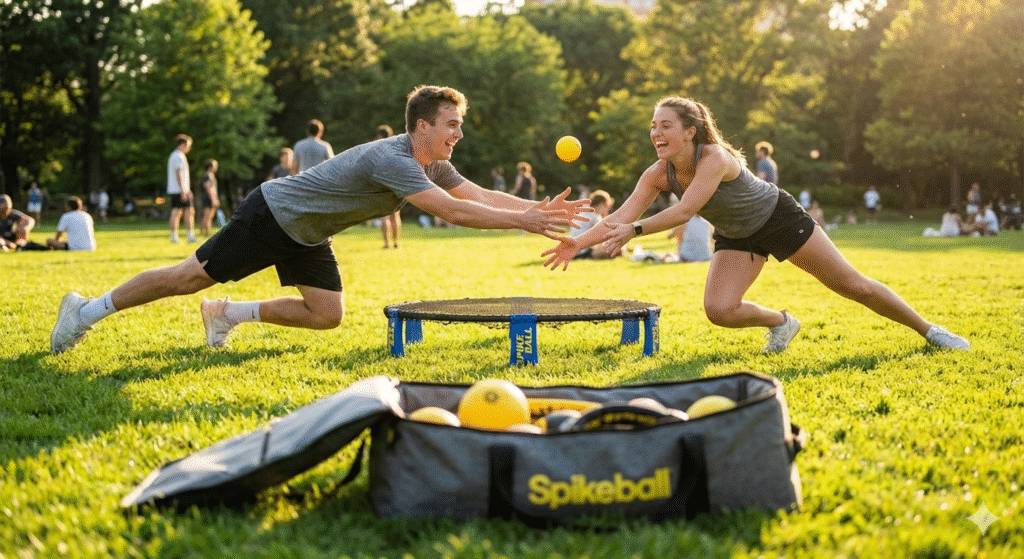

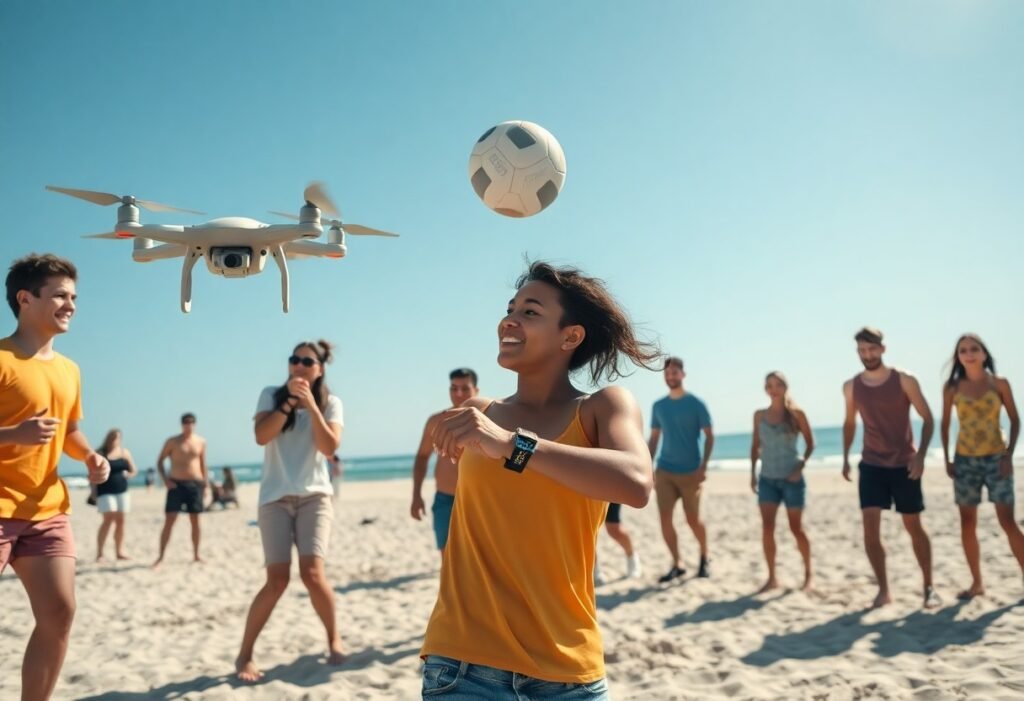
You are about to discover how Spikeball has evolved into a dynamic social sport that is redefining community engagement. This game not only promotes physical fitness but also enhances teamwork and social interaction among diverse age groups. As enthusiasts like you embrace this exciting sport, it is vital to understand the potential challenges, such as accessibility and sustainability, that could shape its future. By exploring trends and opportunities, you can seize the chance to be part of Spikeball’s growing legacy.
Key Takeaways:
- Spikeball promotes inclusivity and community engagement, appealing to diverse age groups and skill levels.
- The sport’s growth is fueled by social media influence and grassroots marketing strategies.
- Innovative event formats and tournaments are enhancing player experience and attracting new participants.
The Rise of Spikeball
Historical Background
Spikeball originated in the 1980s but gained significant attention in 2012 after the launch of a successful Kickstarter campaign. This revival introduced a new generation to the game, marrying elements of volleyball and handball in a unique, fast-paced format that captured the interest of active individuals looking for engaging outdoor sports.
Key Milestones in Growth
The growth of Spikeball can be traced through various pivotal moments, including its appearance on television, especially during ESPN broadcasts, participation in collegiate sports programs, and international expansion through tournaments across multiple countries.
In particular, the founding of Spikeball Inc. in 2009 marked a turning point, elevating the game’s profile and establishing a competitive scene. Notably, the annual Spikeball Roundnet Association (SRA) tournaments have attracted thousands of players and fans, celebrating milestones like the first national championship in 2015, which solidified Spikeball’s status as a recognized sport.
Cultural Impact
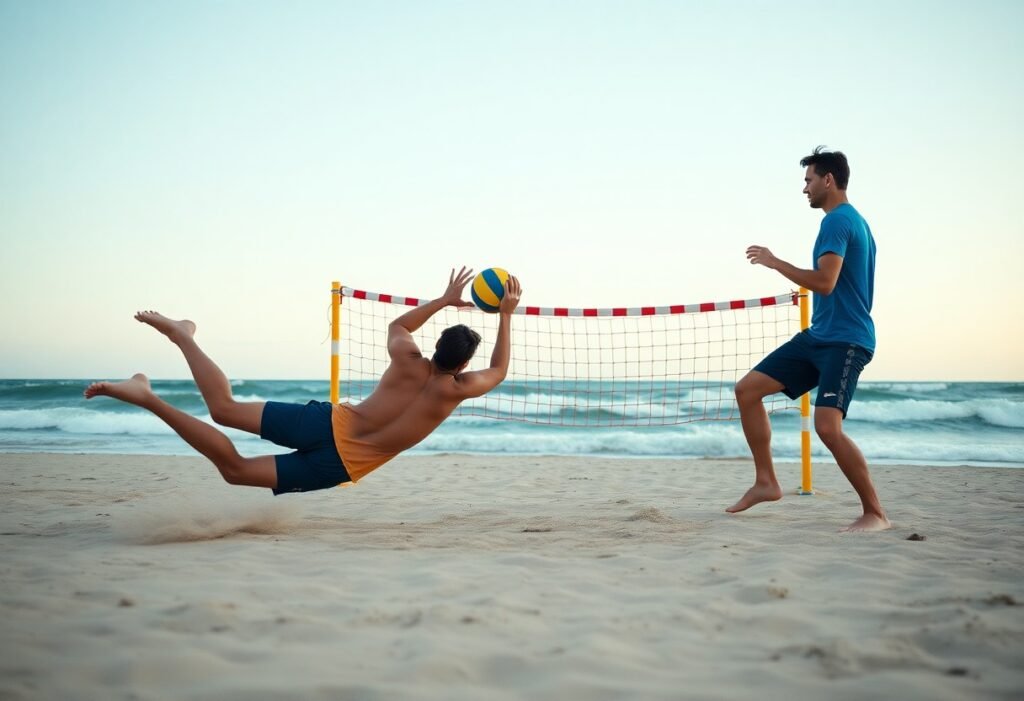
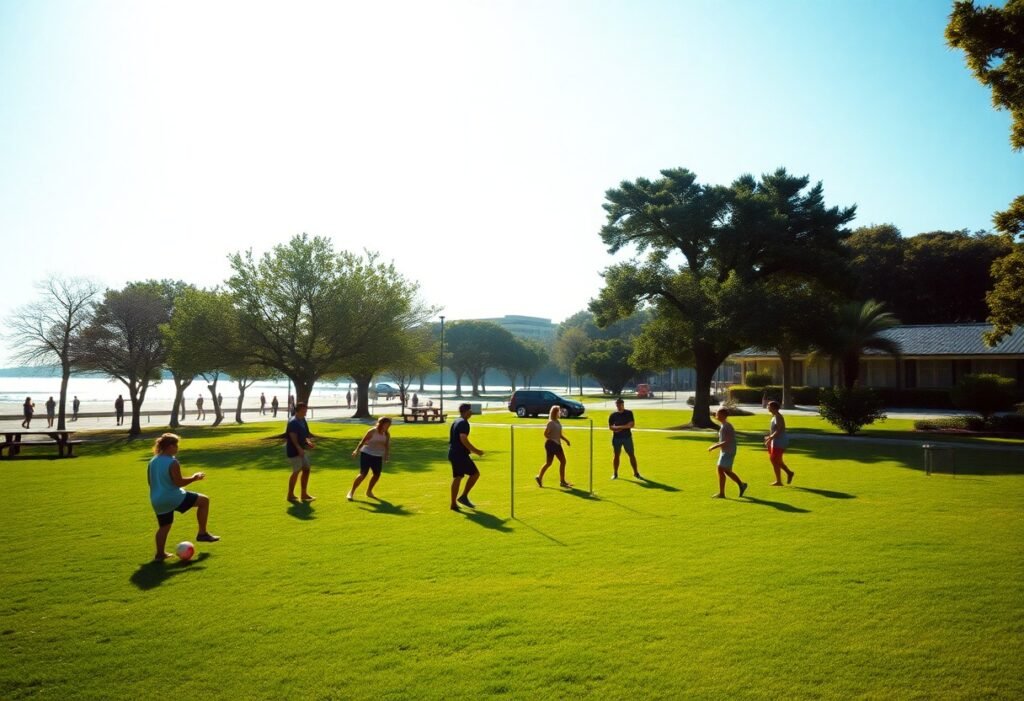
Spikeball has transcended traditional sports, fostering a sense of community and inclusivity among players of all ages. This dynamic engagement has turned backyard gatherings, beaches, and parks into hubs of social interaction and competition, further embedding Spikeball into modern cultural activities.
The cultural impact of Spikeball is evident in its integration into college life and urban settings, where it’s often seen as a staple recreational activity. With various social media platforms buzzing with user-generated content, showcasing tricks and tournaments, you find a community that thrives on engagement and shared experiences, influencing lifestyle trends and casual social gatherings.
The Game Mechanics
Rules and Regulations
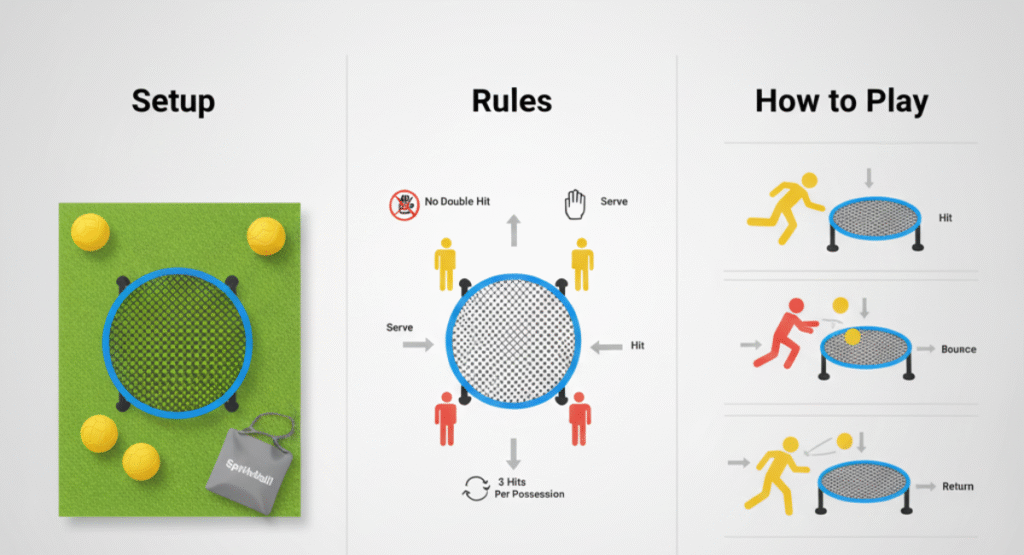
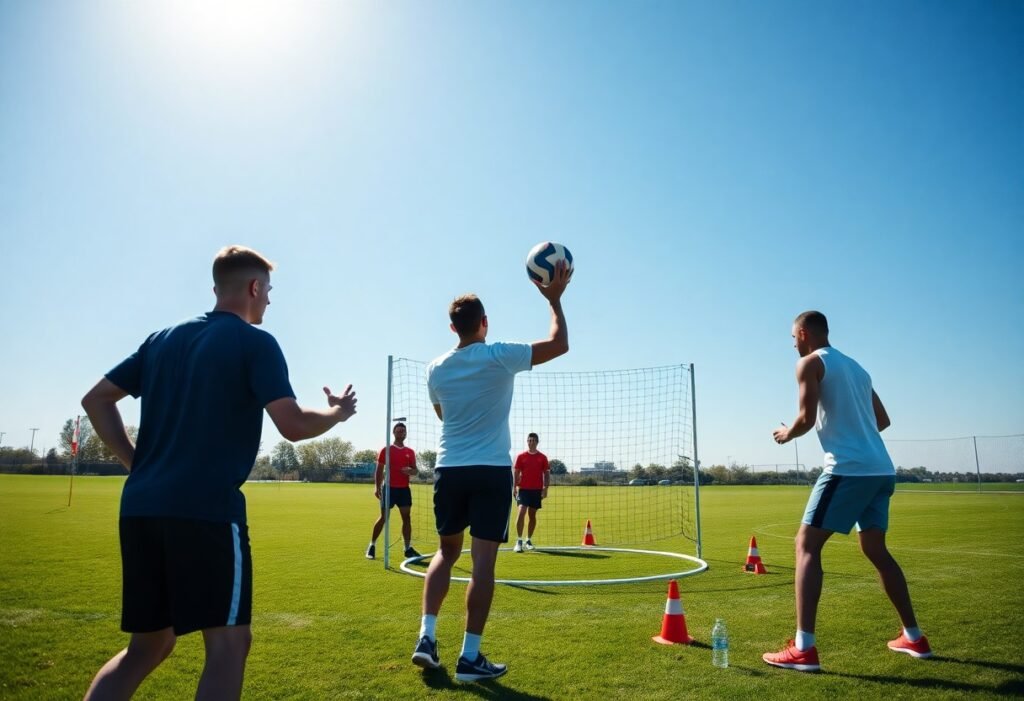
In Spikeball, two teams of two players each compete to hit a ball onto a circular net, aiming to ground it on the opposing side. Each team has up to three touches to return the ball, while the game employs a rally scoring format, allowing any team to score on every serve. Matches typically consist of two games to 21 points, and teams must win by at least two points. Fouls include player interference and illegal touches, which are strictly enforced to maintain fairness.
Variants of Play
Spikeball offers various ways to play, tailoring the experience to your preferences. Traditional 2-on-2 matches, 1-on-1 duels, and larger group formats allow for flexibility. The game can also be adapted with different rules to fit the players‘ skill levels or desired intensity, making it suitable for casual play or competitive tournaments.
Beyond the standard 2-on-2 format, you might enjoy playing 3-on-3 for a more social atmosphere or even experimenting with larger teams in park games. Additionally, variations like “Spikeball Golf” introduce creative scoring systems, while “Spikeball Pool” combines elements of water play in summer settings. You can customize rules based on your group’s dynamics, fostering a unique play experience that keeps everyone engaged.
Equipment Specifications
Your Spikeball setup includes a robust, collapsible round net, a durable ball, and a set of legs that stabilizes the net’s height. The net should measure 36 inches in diameter and be stretched taut, ensuring effective ball rebounds during play. The official ball, similar in size to a volleyball, is designed to withstand various play conditions.
For optimal gameplay, the net’s diameter should maintain a standard width of 36 inches, with a tension that allows for responsive bounces. The ball, crafted from high-quality, lightweight materials, provides a balance between durability and bounce. Many players opt for personal customization in color or brand, reflecting individual style while maintaining functionality during intense matches.
The Social Dynamics of Spikeball
Community Building
Spikeball has become a catalyst for community engagement. Through local leagues and casual meetups, you foster connections with fellow players, creating a vibrant social atmosphere. These gatherings often lead to lasting friendships, as the collaborative nature of the game encourages teamwork and camaraderie.
Inclusion and Diversity
Your participation in Spikeball promotes an inclusive environment. Players from various backgrounds, ages, and skill levels come together, ensuring everyone has a place in the game. This diversity enriches the experience, allowing you to learn from each other and embrace different playing styles.
Spikeball’s rise has emphasized the importance of inclusion and diversity. This sport welcomes individuals regardless of their experience; you can find seasoned players alongside complete beginners. Events often feature mixed-gender teams and adaptive formats, showcasing the game’s versatility. By emphasizing inclusivity, Spikeball not only broadens its player base but also nurtures a sense of belonging, creating a thriving community that values every participant.
Hosting and Participating in Tournaments
Engaging in tournaments lets you experience the competitive side of Spikeball, drawing players from various locales. These events build a spirited atmosphere, where you can showcase your skills and witness the best players in action.
When you host or participate in Spikeball tournaments, you immerse yourself in a lively and challenging environment that encourages improvement and sportsmanship. Events like the Spikeball Roundnet Association championships attract hundreds of players, illustrating the sport’s growth. Beyond competition, tournaments often include social activities, reinforcing community bonds and allowing you to connect with others passionate about the game. For a deeper look at Spikeball and its impact, check out Spikeball: The Fast-Paced Game Taking the World by Storm.
The Role of Technology
Spikeball on Social Media
Social media platforms have become vital for Spikeball’s growth, fostering community and engagement among players. You can connect with fellow enthusiasts through hashtags like #Spikeball and #SpikeballNation, sharing highlights and tips. The enthusiastic presence of players on Instagram, TikTok, and Facebook showcases the sport’s dynamic culture, creating a sense of belonging and inspiring new participants to join.
Use of Apps and Online Platforms
Apps specifically designed for Spikeball enthusiasts are enhancing your experience by offering resources for tracking games, locations, and tournaments. These platforms streamline communication, allowing you and your friends to easily organize matches or join local leagues.
For instance, mobile apps like Spikeball’s official app enable you to find nearby games, register for tournaments, and access tutorials. This connectivity simplifies the logistics of planning and participating in matches, making it easier for novices and seasoned players alike to engage with the Spikeball community efficiently. Some communities even host their own platforms where updates on local events are readily available, keeping you informed and motivated.
Live Streaming and Broadcasting Events
Live streaming has transformed how you experience Spikeball, bringing competitive play directly to your screens. Major tournaments, such as the Spikeball Roundnet Association championship, are broadcasted online, allowing fans to follow the action in real-time and enhancing overall engagement.
This shift to digital broadcasting not only expands your access to high-level competition but also opens opportunities for player sponsorships and partnerships. With platforms like Twitch and YouTube hosting live events, you can interact via chat, root for your favorite players, and become part of a larger digital community, ultimately raising the profile of the sport and attracting newcomers.
The Globalization of Spikeball
Growth in International Markets
The expansion of Spikeball into international markets is evident, with tournaments and leagues sprouting up across countries like Australia, Canada, and various European nations. In 2022, participation figures exceeded 100,000 players worldwide, reflecting a growing interest. You can already find Spikeball players engaging in tournaments as far as Japan and Brazil, showcasing its universal appeal.
Spikeball in Schools and Universities
Spikeball has increasingly permeated educational institutions, becoming a favorite for physical education classes and club sports. Over 2,000 universities in the U.S. have incorporated it into their athletic programs, promoting active lifestyles among students.
As schools adopt Spikeball, many report improved student engagement and fitness levels. Its easy setup and compact nature make it ideal for diverse environments. Teams regularly compete in interscholastic tournaments, and many universities have established leagues. This movement fosters teamwork, social interaction, and a competitive spirit, shaping a new generation of athletes who are passionate about the game.
Partnerships with Organizations and Brands
Strategic partnerships have been instrumental in Spikeball’s growth, aligning the brand with organizations that share similar values. Collaborations with sportswear companies and health organizations have fueled promotional initiatives, enhancing visibility.
These partnerships amplify the sport’s reach and introduce Spikeball to new audiences. For instance, a recent collaboration with a popular fitness app integrated Spikeball-specific workouts, reaching millions of fitness enthusiasts globally. Such alliances not only broaden participation but also elevate Spikeball as a lifestyle choice, making it synonymous with active living and social connection. This synergy further establishes its position as a mainstay sport in various communities.
The Future of Spikeball
Predictions for Growth and Popularity
With the rise of social media and community-based play, you can expect continued exponential growth in Spikeball’s popularity. Current estimates suggest participation could double over the next five years, fueled by youth engagement and increased visibility at events. As more leagues and tournaments are established, grassroots movements will likely propel this sport into mainstream culture.
Potential Innovations in Gameplay
The evolution of Spikeball could include new rules, alternative formats, and enhanced equipment innovations. Think faster-paced matches with dynamic scoring systems or variations that introduce team strategies, keeping the game fresh and engaging. These changes could expand its appeal, drawing in players from other sports.
Innovations such as digital scoring systems and augmented reality features could revolutionize gameplay, enhancing player experience and spectator engagement. For instance, incorporating smart technology to track player statistics in real time allows for a more immersive experience, appealing to competitive players keen on data-driven performance improvement. Additionally, themed tournaments based on popular culture could attract a wider audience, merging Spikeball with trends that resonate with youthful players.
Exploring New Markets and Demographics
Targeting new demographic groups and markets could significantly elevate Spikeball’s presence around the globe. By focusing on communities such as families, schools, and corporate team-building events, you can increase participation rates and introduce the sport to diverse audiences.
Collaborating with educational and recreational organizations to incorporate Spikeball into their programs can create valuable exposure. For example, introducing the sport into school PE curricula fosters youth interest while providing an avenue for them to engage with their peers actively. Corporate sponsorships and events could also play a pivotal role in making Spikeball a staple in outdoor recreational activities, thereby widening its cultural significance.
Final Words
As a reminder, the future of Spikeball is bright, positioning it as the social sport of your generation. You’ll find its ability to promote camaraderie, physical fitness, and accessibility appealing as it continues to grow worldwide. Engaging in this dynamic game could provide you with not only a fun activity but also a vibrant community. As more people discover and embrace Spikeball, you can be part of a movement that champions both connection and competition, making lasting memories on and off the court.
FAQ
Q: What is Spikeball and why is it gaining popularity?
A: Spikeball is a fast-paced, competitive game played with a circular net and a ball, similar to volleyball. Its popularity is growing due to its social nature, ease of play, and appeal to all ages, making it a versatile activity for gatherings and beach days.
Q: How is Spikeball promoting community engagement?
A: Spikeball encourages community engagement through organized tournaments, leagues, and casual play events. These gatherings help build friendships, foster teamwork, and create inclusive environments where players feel connected.
Q: What impact does Spikeball have on physical fitness?
A: Spikeball provides a fun workout that improves agility, coordination, and cardiovascular fitness. Playing requires constant movement, which helps players enjoy exercise without it feeling like a chore.
Q: How is technology influencing the growth of Spikeball?
A: Technology enhances Spikeball’s growth through social media exposure, mobile apps for scoring and connecting players, and live streaming tournaments. This digital presence attracts new players and increases visibility worldwide.
Q: What does the future hold for Spikeball as a competitive sport?
A: The future of Spikeball as a competitive sport looks promising with the establishment of professional leagues, enhanced media coverage, and sponsorship opportunities. This growth could lead to greater recognition and a more structured competitive scene.