
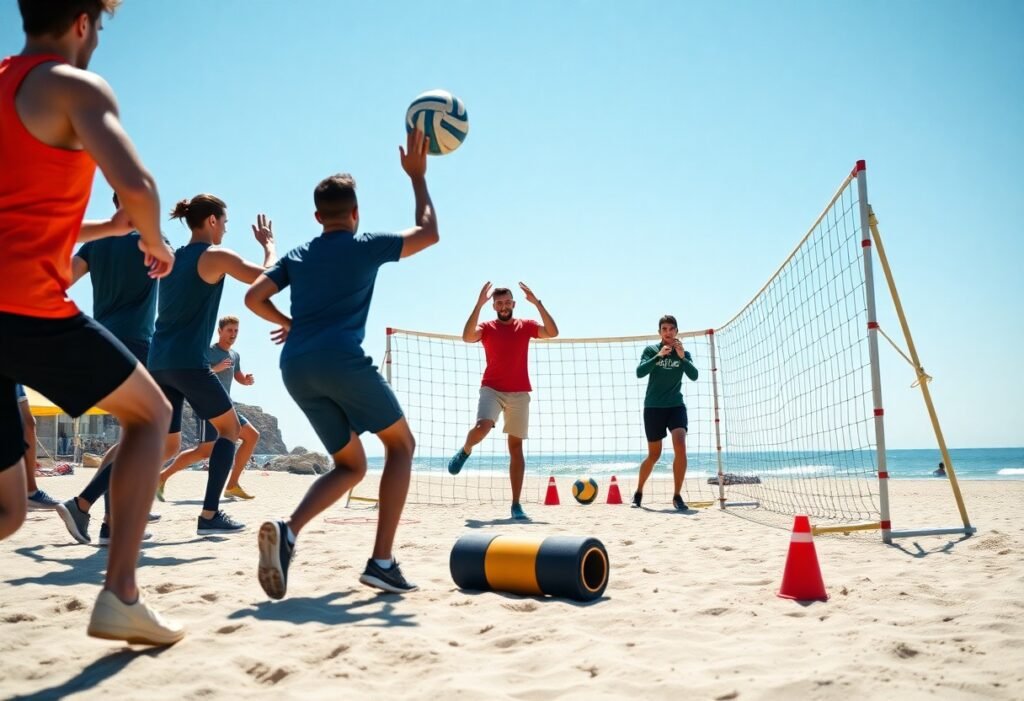
There’s a lot to gain from having a structured Spikeball training routine that focuses on effective warmups and mobility. By incorporating specific activities into your routine, you can enhance your performance and reduce the risk of injury. Proper warmups not only prepare your body for the demands of the game but also improve your flexibility and agility. This guide will equip you with vital tips to maximize your training sessions while protecting your body, so you can enjoy the game to its fullest.
Key Takeaways:
- Incorporate dynamic stretches to increase blood flow and prepare muscles for activity.
- Focus on hip mobility and core activation to enhance performance and prevent injuries.
- Utilize sport-specific drills in warm-ups to familiarize the body with Spikeball movements.
Understanding Spikeball
History of Spikeball
Spikeball originated in the 1980s when a game resembling it was developed by Jeff Knurek. It gained popularity in the early 2000s and was rebranded with a focus on a round net and specific gameplay rules. Today, Spikeball is recognized by organizations such as the Spikeball Roundnet Association and has fostered a competitive scene worldwide, attracting players of all ages.
Basic Rules and Gameplay
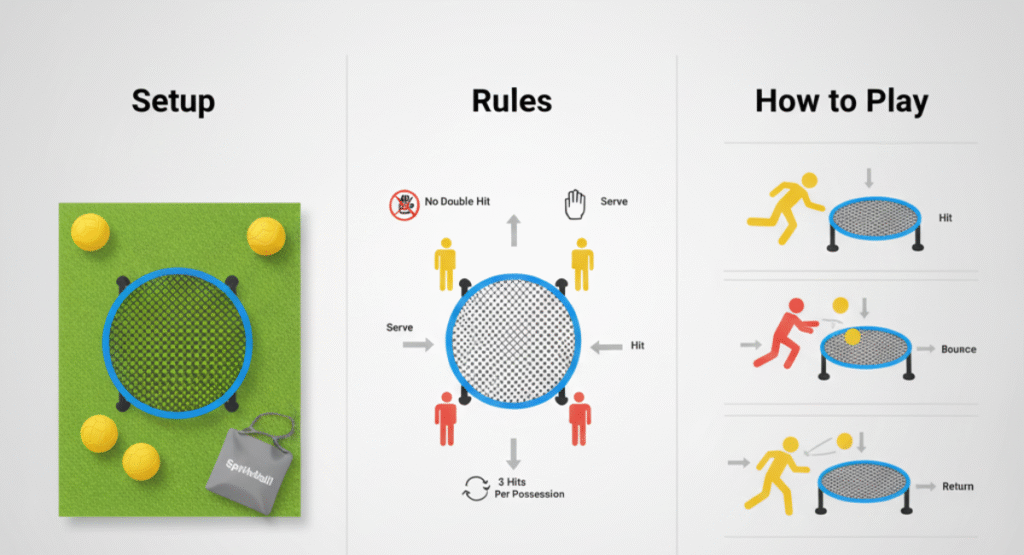
Spikeball is played with two teams of two players each, where teams take turns serving a small ball onto a round net. The ball must be hit in such a way that it can bounce off the net and into the opposing team’s court. A total of up to three hits per team is permitted to return the ball back to the net. The first team to reach 21 points wins, provided they lead by at least two points.
Understanding the rules is fundamental for your gameplay strategy. Each match starts with a serve from behind the designated line, and you can utilize techniques like “setting” and “spiking” to confuse your opponents. Points are scored when the ball hits the ground in the opponent’s area, or they fail to return it to the net within the three-hit limit. Being familiar with the boundaries and scoring serves to enhance your gameplay effectiveness and teamwork.
Importance of Training in Spikeball
Training in Spikeball not only enhances your skills but also boosts your overall physical fitness. Engaging in focused practice improves agility, coordination, and endurance, all vital for quick reactions during gameplay. Developing a routine that includes strength, conditioning, and skill drills prepares you for competitive settings.
Effective training encompasses both technical skills and physical preparedness. By dedicating time to drills, you can sharpen your reflexes and improve strategic play. Additionally, exploring various game scenarios during training helps you adapt to different opponents, ensuring you are versatile in your approaches. Building stamina through consistent practice plays a significant role in maintaining peak performance during longer matches.

The Importance of Warmups
Benefits of Warming Up
Warming up enhances your performance by increasing blood flow to muscles, improving flexibility, and reducing the risk of injury. A proper warmup elevates your heart rate and prepares your body for the physical demands of Spikeball. By engaging in warmup routines, you can also boost your mental focus and readiness, allowing you to perform better during matches.
Common Warmup Mistakes
One frequent mistake you might make is skipping dynamic stretches in favor of static ones. Static stretching can decrease muscle strength and doesn’t adequately prepare your body for activity. Additionally, failing to warm up specific muscle groups used in Spikeball can lead to discomfort and potential injury.
Many players overlook the importance of a comprehensive warmup, often opting for a quick stretch or simply jumping into the game. By neglecting to include dynamic movements, such as high knees or leg swings, you may not activate the necessary muscle groups effectively. This can lead to strain or pulls that could sideline you during critical moments in your matches.
When to Warm Up
You should warm up before every practice or competition session, ideally 10 to 15 minutes beforehand. This timeframe allows your body to transition from a stationary state to a more active one, facilitating optimal performance. Always make it a point to integrate a warmup, irrespective of how light the playing session seems.
Warming up isn’t just for high-intensity games; even casual practices benefit from this routine. Engaging in a warmup prepares your body, so when you sudden have to sprint or dive for the ball, your muscles are ready to respond. Skipping this step can compromise your abilities and enjoyment of the game, especially if injuries interrupt your flow. Establish a consistent warming-up routine to enhance your longevity in the sport.
Warmup Exercises for Spikeball
Dynamic Stretching
Incorporate dynamic stretching to increase blood flow and mobility before playing. Focus on movements that mimic the actions in Spikeball, such as leg swings, arm circles, and torso twists. This prepares your muscles and joints for the quick, explosive movements needed during the game, enhancing overall performance.
Agility Drills
Engaging in agility drills improves your quickness and coordination, vital for navigating the Spikeball court effectively. Include exercises like ladder drills, cone sprints, and side shuffles. These movements not only enhance your footwork but also train your body to react faster during gameplay.
Try implementing a ladder drill into your routine, as it boosts foot speed and coordination. Focus on maintaining a light, quick step while navigating the ladder, pushing off with your toes. Research shows that even a few minutes of agility drills significantly increases your overall responsiveness on the court, making you a more formidable opponent.
Spikeball Specific Warmup
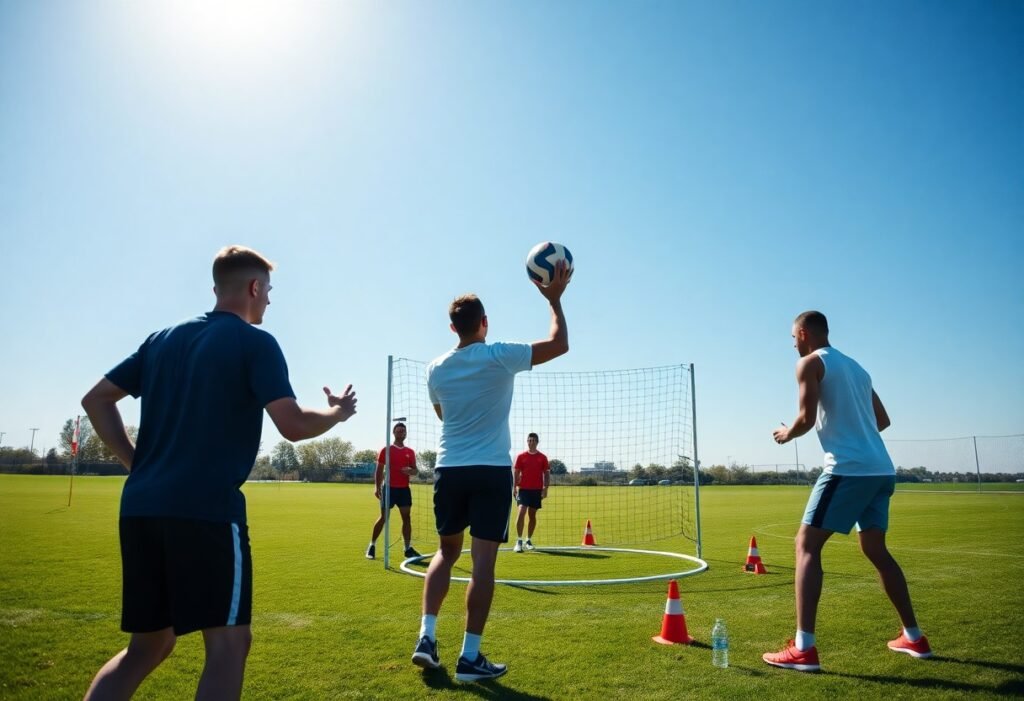
Perform a Spikeball specific warmup that emphasizes the game’s unique movements. Start with shadow play, where you mimic hitting and diving movements without a ball. Following this, incorporate light volleys with a partner to simulate game scenarios while offering a gradual build-up to intensity.
This warmup not only targets the muscle groups heavily utilized in Spikeball but also helps with timing and coordination. Emphasizing movements like jumping and lateral dives prepares your body specifically for the demands of the game, reducing the risk of injury while enhancing your on-court performance.

Mobility Tips for Spikeball Players
Understanding Mobility
Mobility refers to the ability of your joints to move through their full range of motion comfortably and efficiently. In Spikeball, enhancing your mobility allows for greater flexibility in your movements, improving your overall performance on the court. Prioritizing mobility can help prevent injuries and promote better coordination during play.
Key Mobility Areas to Focus On
To maximize your performance in Spikeball, you should concentrate on specific mobility areas, including your hips, ankles, shoulders, and thoracic spine. Addressing these areas enhances your ability to make quick lateral movements, jump effectively, and execute powerful spikes.
Focusing on these areas leads to improved agility and stability on the court. Enhanced hip mobility allows for deeper lunges, improving your reach during rallies. Ankle flexibility helps you maintain balance and control during rapid direction changes. Shoulder mobility supports powerful arm swings for spikes and serves, while improving thoracic spine flexibility supports overall upper body movement.
Mobility Exercises
Incorporate exercises tailored for mobility to enhance your Spikeball game. Dynamic stretches and targeted drills can effectively increase your range of motion, ultimately contributing to better performance on the court.
Including exercises such as hip openers, ankle circles, and thoracic spine rotations can significantly improve your movement patterns. For instance, doing hip flexor stretches and foam rolling can release tension and enhance flexibility. Implementing a routine that targets these areas will progressively increase your performance, making you more agile and responsive during games. Recognizing the importance of maintaining your mobility will lead to greater longevity in the sport.
Creating a Spikeball Training Routine
Structuring Your Training Schedule
To enhance your Spikeball skills, develop a consistent training schedule that incorporates specific days for drills, gameplay, and recovery. Aim for at least three training sessions per week, balancing between skill practice and fitness training. Allocate time for warmups and cooldowns; consider using resources like Fun and Competitive Spikeball Warmup Game for Baseball … to keep it engaging.
Incorporating Warmups and Mobility
Include warmup and mobility exercises before each training session to prepare your body for action. Focus on movements that mimic Spikeball gameplay, such as lateral shuffles, lunges, and arm circles. This will help prevent injuries and enhance your overall performance.
Setting Realistic Goals
It’s important to set achievable goals to track your progress effectively. Whether aiming to improve your serve accuracy or increase your endurance, ensure your objectives are specific, measurable, attainable, relevant, and time-bound (SMART). This structured approach will keep you motivated.
When setting realistic goals, consider your current skill level and time constraints. Break your main objectives into smaller milestones, allowing for adjustments as you progress. Celebrate each achievement, as this positive reinforcement will boost your motivation and commitment to the training routine.
Monitoring Progress and Adjustments
Assessing Mobility Improvements
To track your mobility improvements, implement regular assessments, such as dynamic stretches or specific athletic movements. Utilize a range of motion assessment tool to identify flexibility gains. Additionally, take notes on your performance during game drills, focusing on fluidity and responsiveness. By comparing your previous results with new benchmarks, you gain quantitative insights into your progress.
Adapting Warmup Exercises
As you evolve in your training, your warmup routine should reflect those changes. Focus on incorporating varied exercises that align with your current skill level and any identified weaknesses. This ensures that you’re not only warmed up but also improving in areas that maximize your performance on the court.
Incorporating specific exercises like lateral band walks or ankle rolls can address weaknesses that surface during play. If you notice certain movements feel tight or uncomfortable, replace them with alternatives that still engage the same muscle groups. Frequently changing your warmup routine helps maintain motivation while ensuring that you’re adapting to your body’s evolving needs, ultimately enhancing your readiness for the game.
Recovery Strategies
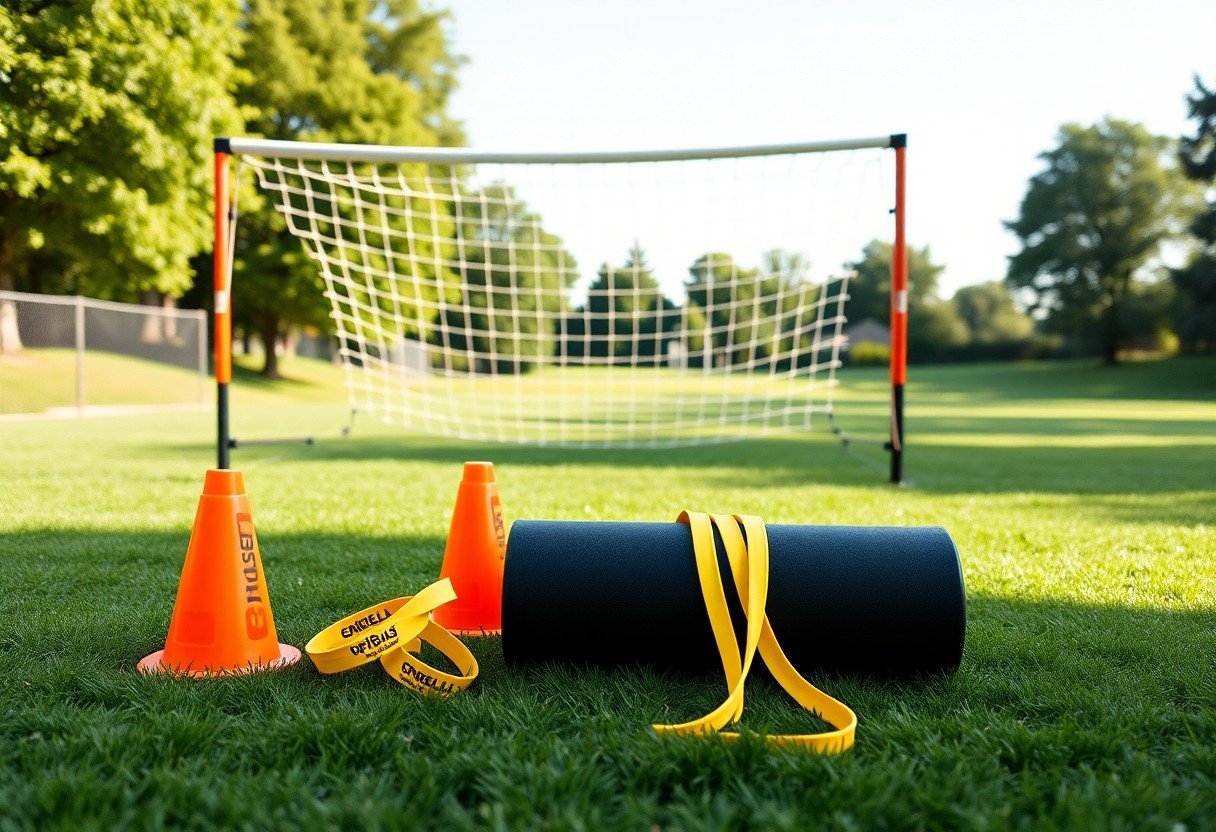
Implement a multi-faceted recovery strategy to support your training. This can include active recovery days, proper hydration, and prioritizing sleep. Utilizing tools such as foam rollers or massage guns will assist in alleviating muscle soreness and enhancing mobility.
Active recovery can involve lighter activities like yoga or swimming, which promote blood flow without adding strain. Coupled with proper hydration—targeting at least 3 liters daily depending on activity level—and maintaining a good sleep schedule, your muscles have the best chance to recover effectively. Creating a post-training routine that emphasizes relaxation and regeneration will significantly benefit your long-term performance in Spikeball.
To wrap up
Taking this into account, incorporating a structured warm-up and mobility routine into your Spikeball training will significantly enhance your performance and reduce the risk of injury. Focus on dynamic stretches and mobility exercises that target your key muscle groups involved in gameplay. By prioritizing these elements in your workout regimen, you will improve your agility, explosiveness, and overall game strategy, ensuring you stay competitive on the court.
FAQ
Q: What are effective warm-up exercises for Spikeball?
A: Effective warm-up exercises include dynamic stretches such as leg swings, arm circles, and torso twists. Incorporate light jogging or fast-paced movements to increase heart rate and prepare muscles for action.
Q: How long should I spend on my warm-up before playing Spikeball?
A: Aim for a warm-up duration of 10 to 15 minutes. This allows sufficient time to increase your body temperature and improve range of motion, enhancing performance and reducing the risk of injury.
Q: What mobility exercises help improve performance in Spikeball?
A: Mobility exercises such as hip openers, ankle mobilizations, and thoracic spine rotations can enhance your movement efficiency. Focus on areas critical for explosive movements and agility.
Q: Should I include static stretching in my training routine for Spikeball?
A: Static stretching is best incorporated after your training session or game. This helps in promoting flexibility and recovery, while preserving the muscle elasticity needed for performance during play.
Q: How often should I practice my warm-ups and mobility routines?
A: It’s advisable to incorporate warm-ups and mobility routines into each training session and game day. Consistency will aid in enhancing overall performance and maintaining flexibility over time.