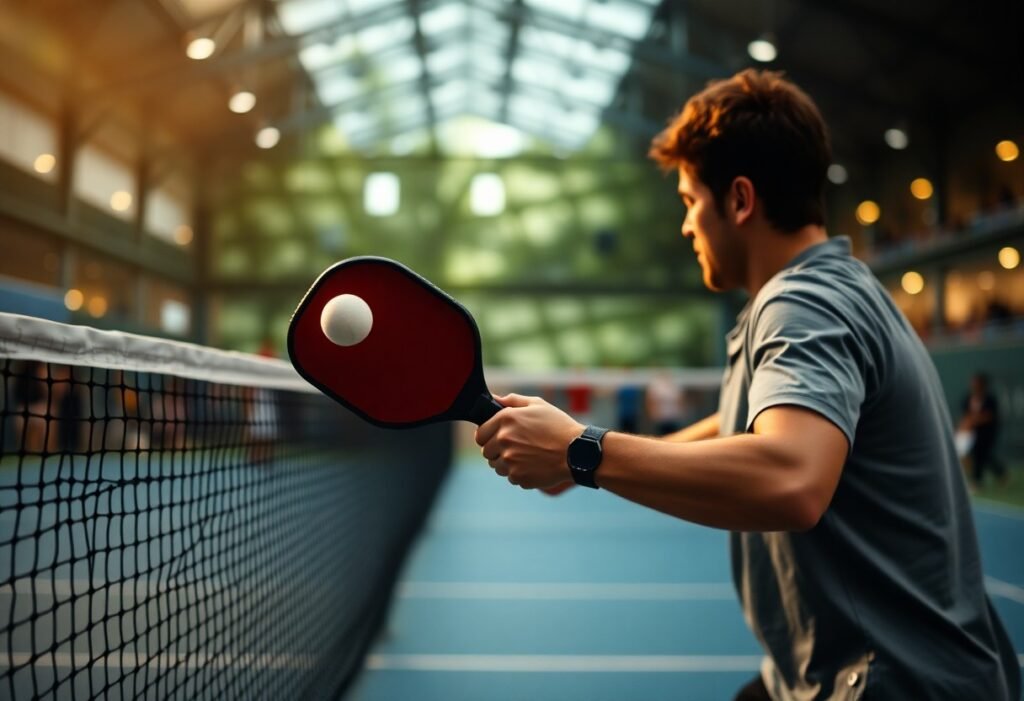

It’s important to understand the key differences between pickleball and tennis to determine which sport suits your lifestyle and fitness goals. Pickleball offers a lower impact alternative, making it easier on your joints, while tennis provides a more intense cardiovascular workout. If you’re looking for social interaction and a fun, engaging way to stay active, pickleball might be your best bet. Conversely, if you prefer a sport that demands higher agility and strength, tennis could be a better fit. Evaluating your preferences and physical capabilities will help you make the right choice.
Key Takeaways:
- Pickleball is generally easier to learn and more suitable for all ages.
- Tennis offers a more intense physical workout and longer playing time.
- Consider social aspects and local community availability for each sport.
History of the Sports
Origins of Tennis
Tennis has its roots in France around the late 12th century, where it began as a game called “jeu de paume.” Initially played with the palm of the hand, it evolved into a racket sport in the 16th century. By the late 19th century, modern lawn tennis was formalized with standardized rules, leading to the establishment of the first Championships at Wimbledon in 1877, marking its rise as a popular sport worldwide.
Origins of Pickleball
Pickleball emerged in 1965 on Bainbridge Island, Washington, invented by Joel Pritchard, Bill Bell, and Barney McCallum. Designed as a family-friendly game, it combined elements of badminton, tennis, and table tennis. The name “pickleball” reportedly stems from Pritchard’s dog’s name, “Pickles,” adding a quirky twist to its backstory.
Initially devised to entertain children, pickleball quickly gained traction among adults. With its unique blend of easy-to-learn rules and social play elements, the sport’s popularity surged, especially in the 2010s. Today, you’ll find dedicated courts and leagues across North America, further cementing its status within the sporting community.
Evolution of Both Games
Tennis has evolved significantly from its early days, incorporating technology such as Hawkeye for line calls and streamlined tournament formats. The introduction of the Open Era in 1968 allowed professionals to compete, elevating the sport’s profile and accessibility. Meanwhile, pickleball has seen explosive growth in participation rates, with thousands of new players joining annually and more than 10,000 courts constructed across the U.S. since 2020.
As both sports have evolved, they have adapted to changing player demographics and preferences. Tennis has embraced innovations like padded racquets and synthetic courts, while pickleball has expanded its rules and gameplay to cater to a wider audience, including seniors and beginners. Each sport continues to cultivate a dynamic environment for players of all ages and skills, ensuring their respective futures remain bright.
Equipment and Gear
Rackets and Paddles
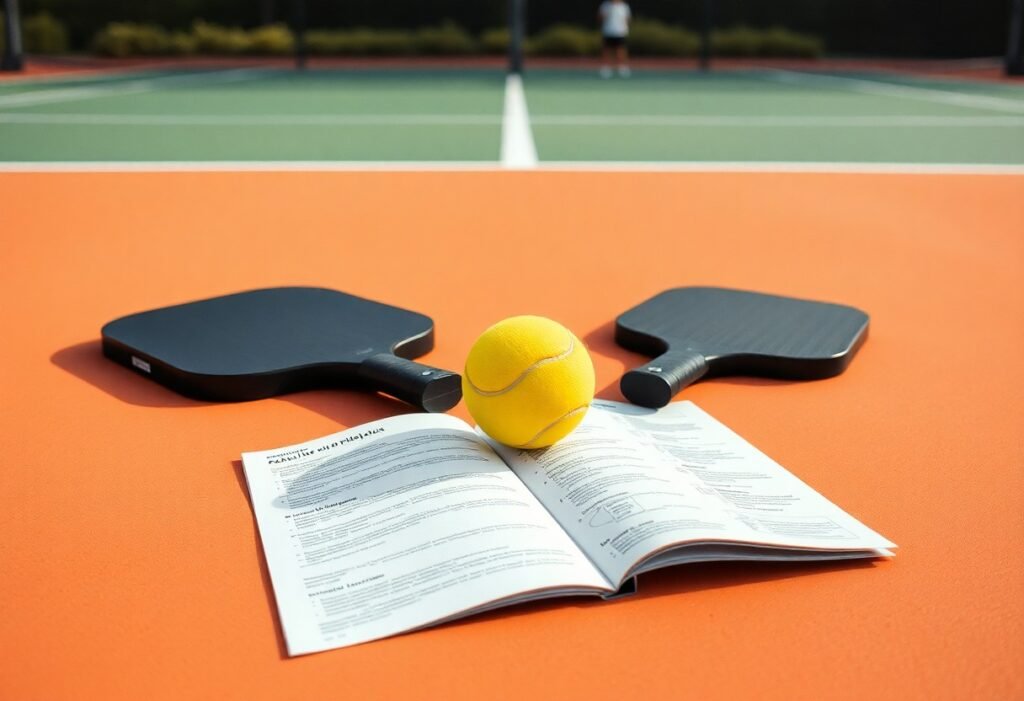
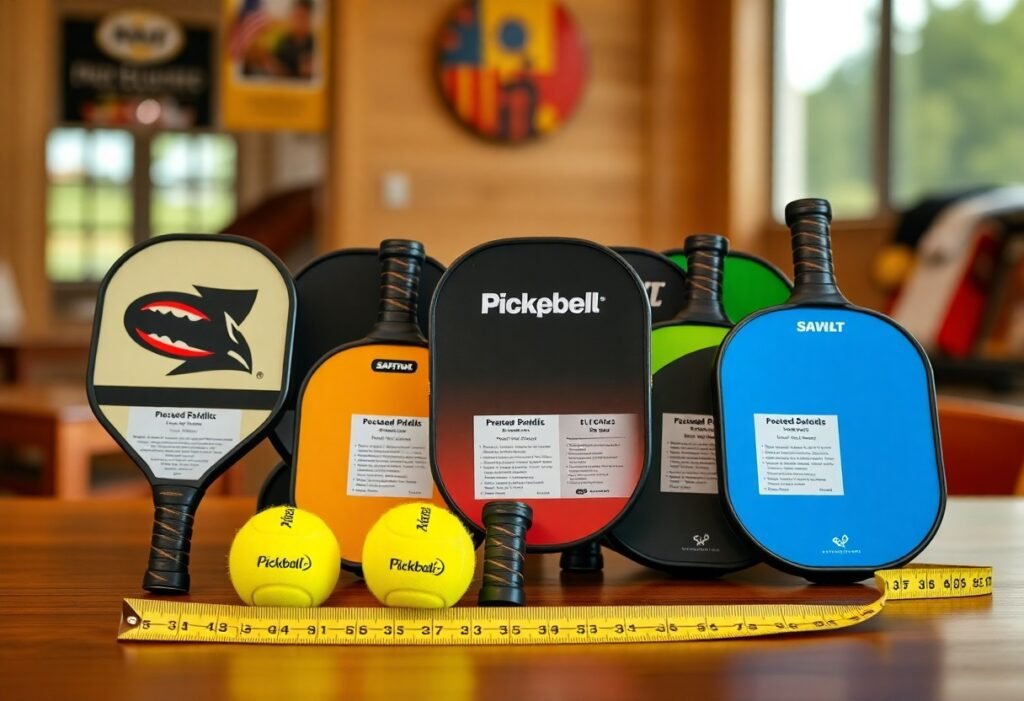
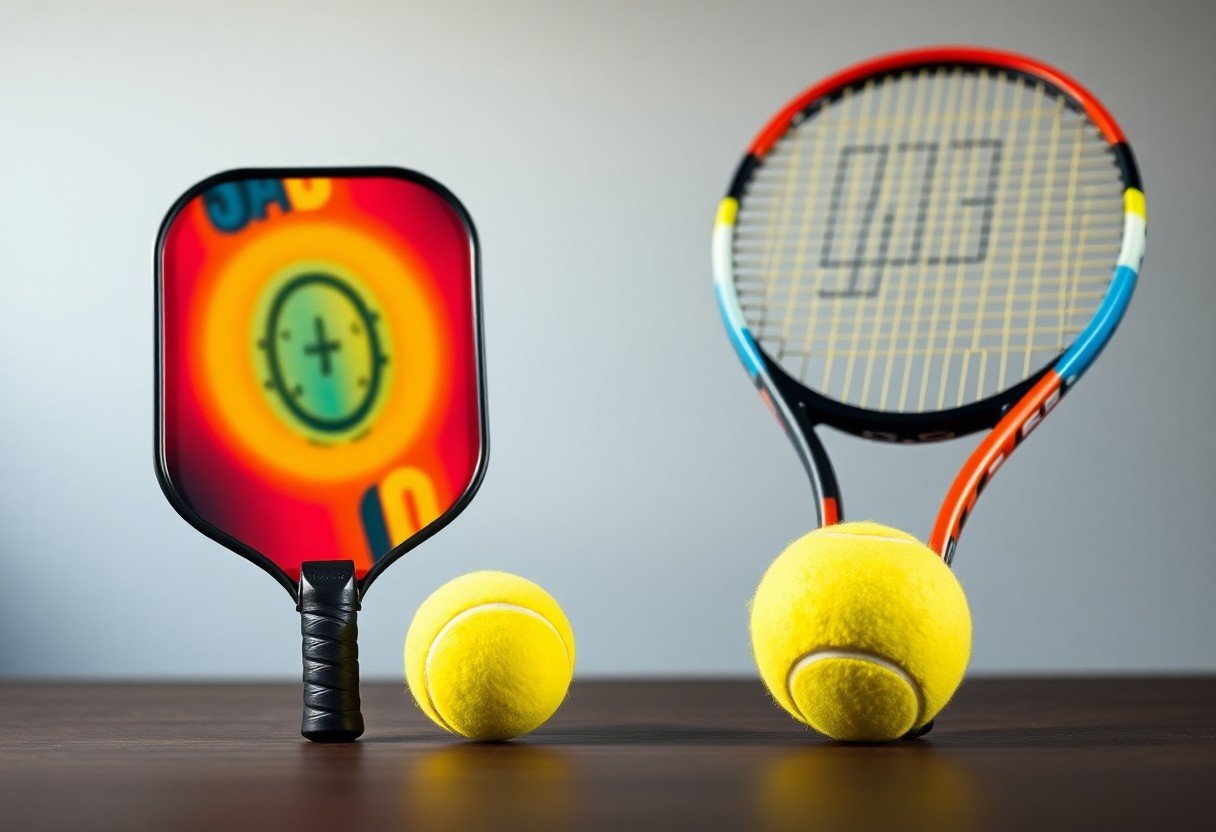
Your choice between rackets and paddles is fundamental. Tennis rackets are larger, with a stringed surface designed for powerful shots; they help generate spin and speed. In contrast, pickleball paddles are solid, often made from composite materials, and offer greater control but less power, making them more suitable for maneuverability and precision in close quarters.
Balls Used in Each Sport
The balls you use in tennis and pickleball significantly differ. Tennis balls are fuzzy and pressurized, promoting a high bounce and fast game. Pickleball uses a lightweight plastic ball with holes, producing a lower bounce and more tactical gameplay.
The texture and design of tennis balls, specifically their fuzzy exterior, enhance grip and aerodynamics, allowing for fast-paced rallies. In contrast, pickleball’s design means the ball travels slower through the air, which can simplify learning for newcomers. The differing construction directly influences gameplay dynamics and strategy in each sport.
Court Dimensions and Surfaces
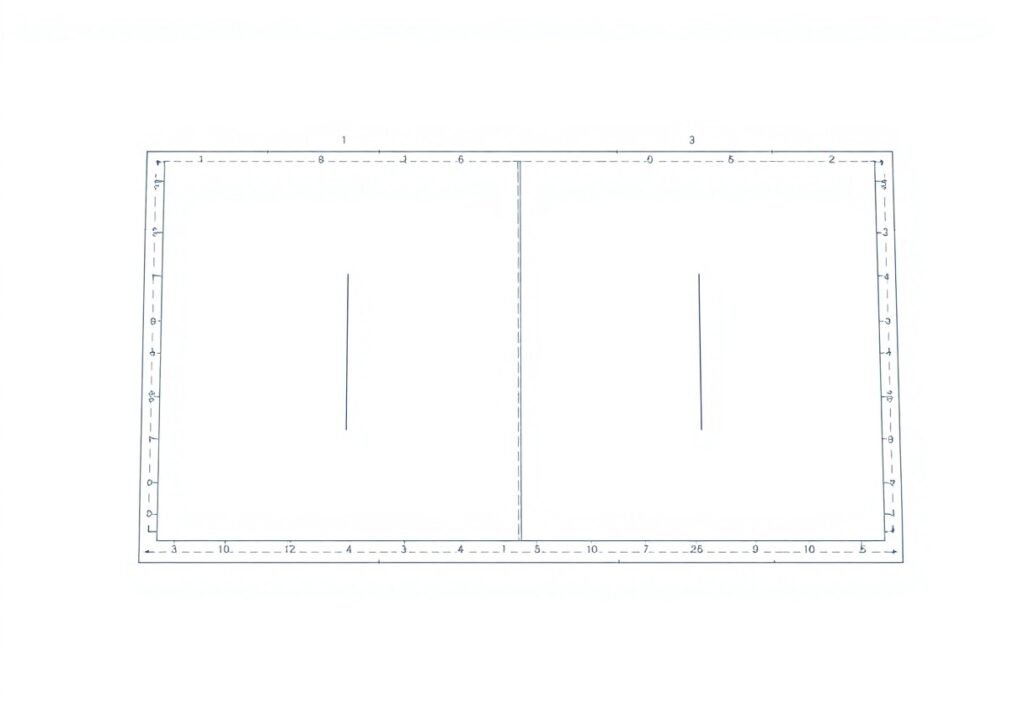
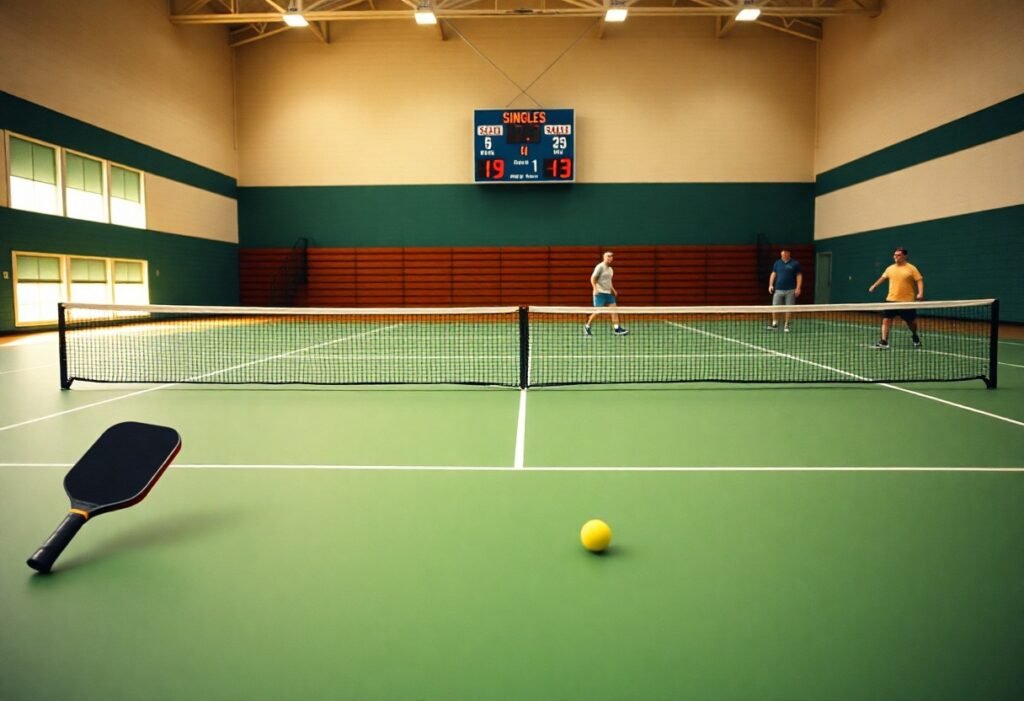
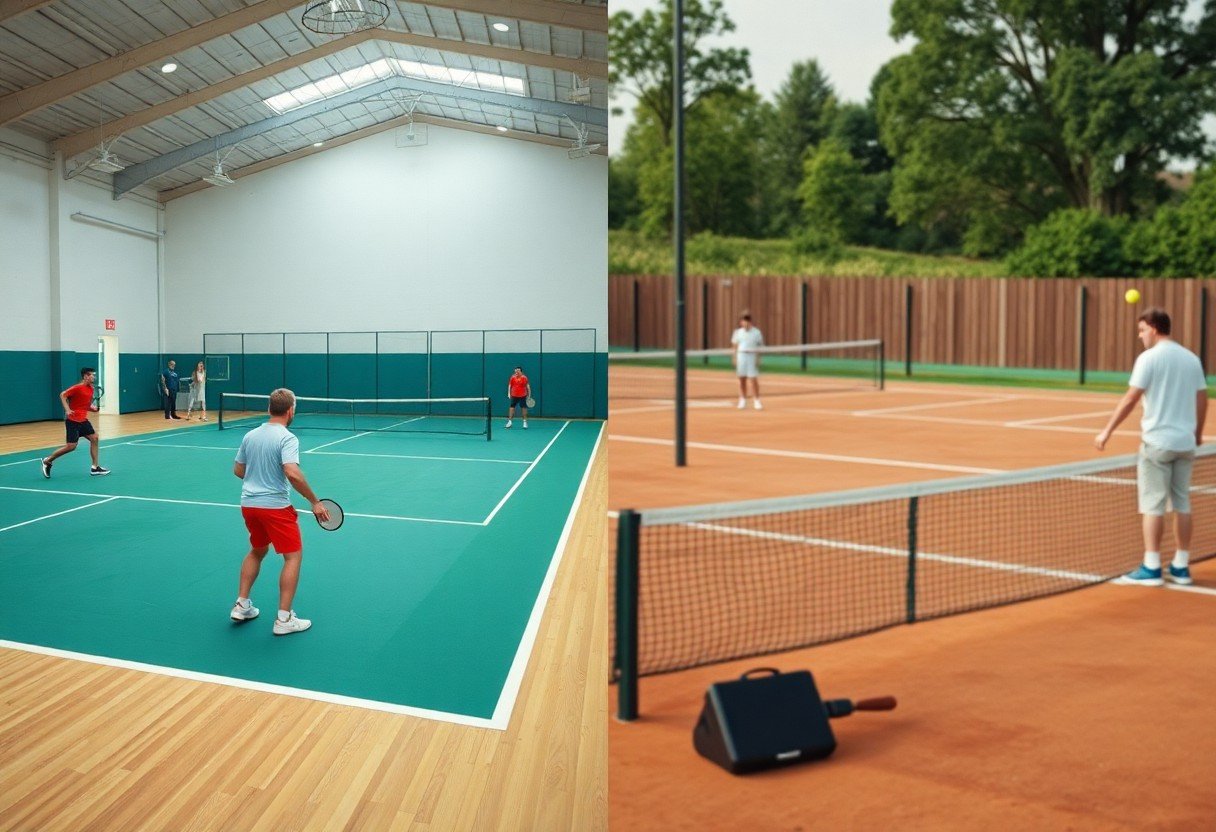
Court dimensions and surfaces vary notably. A standard tennis court measures 78 feet long and 36 feet wide, built for varied play styles with surfaces including grass, clay, and hard courts. Pickleball courts are smaller, at 44 feet long and 20 feet wide, consistently featuring a solid surface like concrete or asphalt for durability.
This size difference impacts how you strategize and move during games. For instance, the larger tennis court requires greater stamina and coverage, while the compact pickleball court enables quick reactions, making it ideal for players who prefer a more strategic and less physically demanding experience.
Footwear Considerations
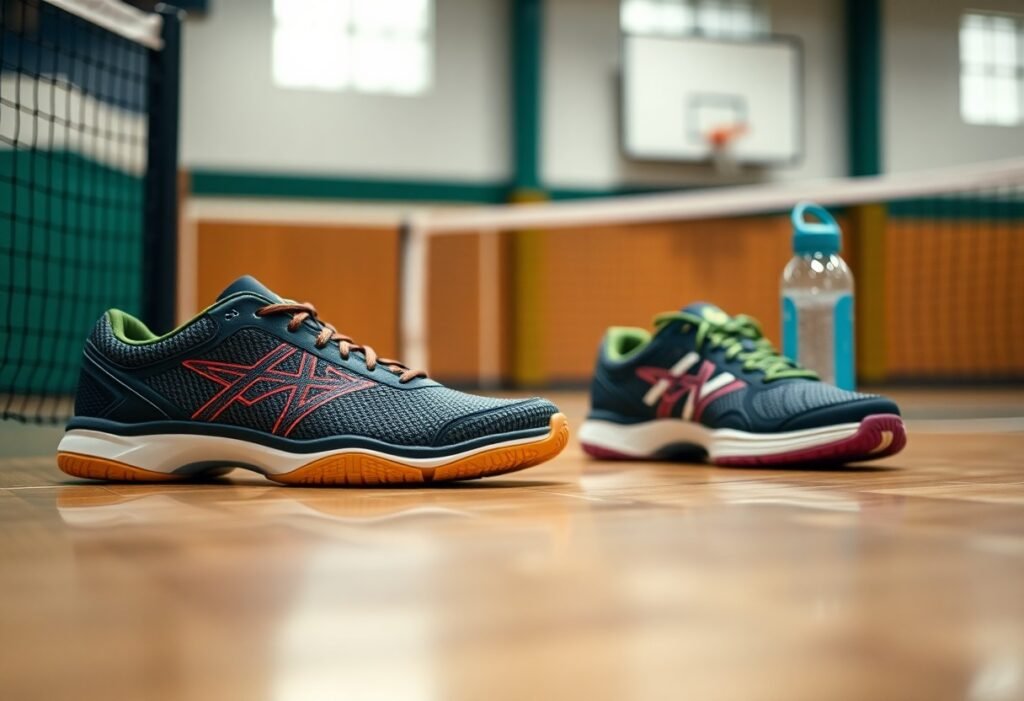
Your choice of footwear is important for both sports. Tennis shoes should provide lateral support and traction for sudden movements on various surfaces, while pickleball shoes prioritize stability and cushioning to accommodate the quick, short bursts common to the game.
The right shoes can prevent injuries and enhance performance. Tennis footwear often features reinforced toe areas to withstand court wear, whereas pickleball shoes may have specialized outsoles designed specifically for smooth indoor surfaces, ensuring you have the grip needed for sudden directional changes or stops.
Gameplay Mechanics
Scoring Systems
In tennis, matches can be won in sets, with points scored as 15, 30, 40, and game. A player must win at least six games and lead by two to win a set. Alternatively, pickleball uses a simpler scoring system; only the serving side scores points, and games are typically played to 11, requiring a 2-point lead to win.
Basic Rules and Regulations
Tennis rules are governed by the International Tennis Federation, requiring the use of a racquet to hit a felt-covered rubber ball over a net on a rectangular court. In pickleball, players use paddles to strike a plastic ball with holes, played on a smaller court, and involving a non-volley zone near the net known as the “kitchen.”
In tennis, players serve diagonally and must alternate sides after every game. Unlike tennis, in pickleball, the server must stand behind the baseline on their side and serve to the diagonal court. Also, points are only scored by the serving team in pickleball, creating a distinctive rhythm to the game.
Important Techniques and Strategies
Success in tennis often relies on mastering serves, volleys, and baseline strategies. Conversely, in pickleball, you should focus on dinking and paddle positioning to control the game tempo and positioning.
Developing proper technique in both sports enhances your performance. In tennis, a powerful serve can give you a significant advantage; practicing topspin and slice can confuse your opponent. For pickleball, mastering the soft game around the kitchen allows you to set up for winning shots, emphasizing placement over power.
Common Fouls and Misconduct
Tennis fouls occur when players foot fault during a serve, hit the ball out of bounds, or fail to return the ball properly. In pickleball, common fouls include stepping into the non-volley zone while volleying or failing to serve at the correct angle.
Understanding fouls is crucial to mastering gameplay. In tennis, foot faults often happen when players do not remain behind the baseline during their serve; it’s important to remain aware of your foot placement. For pickleball, standing in the kitchen when hitting a volley results in an immediate loss of the point, emphasizing the need for strategic shot selection and court awareness.
Health and Fitness Benefits
Physical Benefits of Tennis
When you play tennis, you engage in a full-body workout that enhances your cardiovascular fitness, improves your strength, and boosts your endurance. The constant movement between serves and rallies helps develop agility and coordination, while swinging the racket tones your upper body and core. On average, a match can burn between 400 to 600 calories, depending on your intensity level, contributing significantly to your overall fitness.
Physical Benefits of Pickleball
Pickleball offers numerous physical benefits as well, including improved agility, balance, and reflexes. The smaller court size means you remain active without the same level of physical exertion as tennis. Playing a game can burn approximately 300 to 500 calories, making it an effective way to stay fit while enjoying social interaction.
Additionally, pickleball’s combination of short bursts of speed and quick lateral movements provides an excellent opportunity for enhancing your hand-eye coordination. The sport is designed to be accessible for players of all ages, which means you can enjoy consistent physical activity without the risk of overexertion common in more intense sports.
Mental Health Advantages of Both Sports
Both tennis and pickleball contribute positively to your mental health by providing avenues for stress relief and social interaction. Engaging in these sports can release endorphins, helping to elevate your mood and combat feelings of anxiety or depression. The focus required during gameplay also aids in enhancing your concentration and cognitive functions.
Participating in either sport regularly fosters a sense of community and belonging. Whether you’re playing in local leagues or casual matches with friends, the social aspect significantly enhances your overall well-being, so you’re not just benefiting physically but also nurturing meaningful connections.
Risk of Injuries Associated with Each Sport
While both tennis and pickleball have numerous benefits, they do come with certain injury risks. Tennis players are often susceptible to conditions such as tennis elbow or shoulder injuries due to repetitive motions. Similarly, pickleball players might face injuries related to sudden stops or awkward movements, commonly affecting the knees and ankles.
Awareness of these risks is vital as you initiate on either sport. Proper technique, warm-ups, and wearing appropriate gear can greatly reduce the likelihood of injuries. Maintaining fitness and flexibility will also help prevent common strains, allowing you to enjoy these enjoyable activities long-term.
Accessibility and Social Factors
When considering pickleball versus tennis, accessibility and social factors play a significant role in your decision. Both sports offer unique benefits that cater to different lifestyles:
- Ease of Learning: Pickleball is often perceived as easier for beginners compared to tennis, which may help you find enjoyment quicker.
- Community Engagement: Pickleball is known for its friendly atmosphere, fostering social interactions.
- Facility Availability: Many locations have numerous pickleball courts, while tennis facilities may be more limited.
- Cost Considerations: Equipment and court fees can vary; generally, pickleball has a lower entry cost.
Recognizing these factors can guide you in making the right choice based on your preferences and lifestyle.
For a deeper explore fitness differences, consider what fitness experts say about tennis being a better workout than pickleball.
Age and Skill Level Considerations
Your age and skill level influence which sport may be more suitable for you. Pickleball can cater to a broader range of ages and abilities, making it an attractive option for families. Tennis, while also accessible, may require more physical endurance and coordination to master, often appealing to a younger athlete demographic.
Community and Social Dynamics
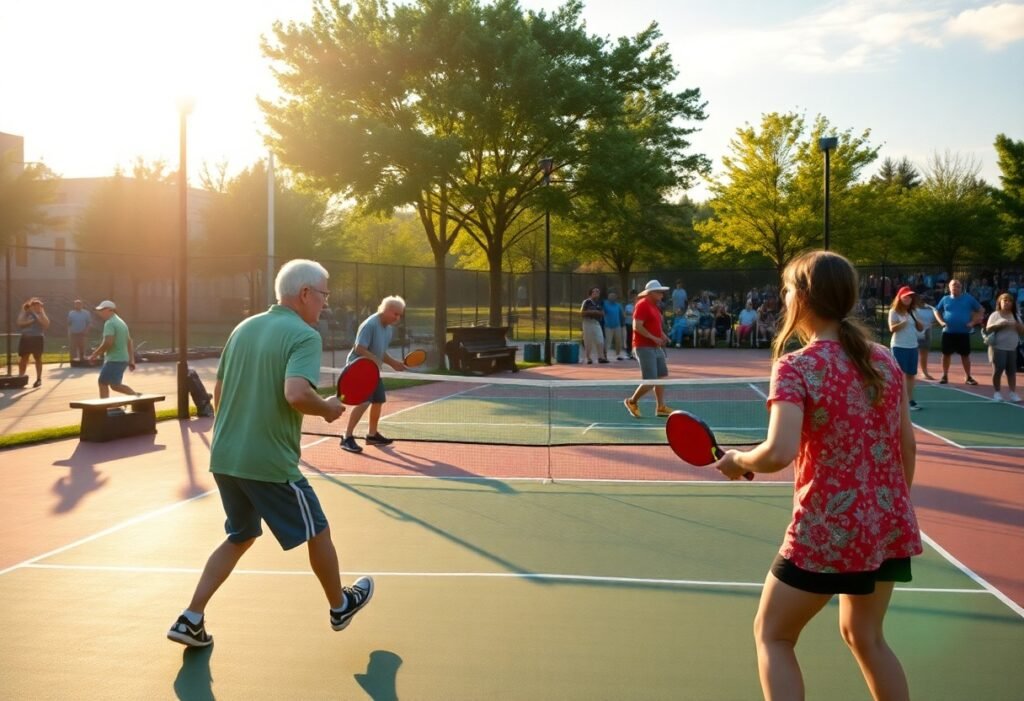
Community dynamics greatly affect your experience in either sport. Pickleball often emphasizes inclusivity and sociability, with many clubs organizing events that encourage players of all skill levels to participate. In contrast, tennis can sometimes feel more competitive, potentially creating a divide among different skill levels.
The social scene in pickleball is increasingly vibrant, with many clubs dedicated to fostering relationships among players. You’ll find social mixers and open play sessions, where building camaraderie is just as important as the game itself. Tennis, on the other hand, can have a more structured environment, often dividing players by skill levels in leagues or tournaments, which might limit the social experience.
Availability of Facilities
The availability of facilities can significantly impact your choice between pickleball and tennis. Many urban and suburban communities have embraced pickleball due to its growing popularity, leading to an increased number of designated courts that are often available for public use. Tennis courts, however, may not be as prevalent and can sometimes require reservations or membership fees.
Cost and Investment
In terms of the cost and investment associated with either sport, pickleball generally presents a lower financial barrier to entry. While both sports require equipment—such as paddles or racquets and balls—pickleball paddles are often less expensive than tennis racquets, making it a more budget-friendly option for casual players.
Personal Preferences and Considerations
Competitive vs. Recreational Play
Your choice between pickleball and tennis may hinge on whether you prefer competitive or recreational play. Tennis often attracts a more competitive crowd, hosting numerous leagues and tournaments, while pickleball tends to have a more relaxed vibe, making it perfect for casual players looking to socialize while playing. If winning matches is your primary goal, tennis may suit you better; however, if you enjoy a more laid-back experience, pickleball could be the way to go.
Long-term Commitment and Goals
Assessing your long-term commitment and goals is crucial in determining which sport aligns with your aspirations. If you’re looking to improve your skills over time, both sports offer different pathways to mastery, but tennis provides a more extensive competitive landscape and training resources. On the other hand, if you’re more interested in a fun way to stay active, pickleball might fit better into your lifestyle.
Consider how much time you can dedicate to your chosen sport and the level of competition you aspire to achieve. Tennis may require more hours for practice and playing matches to hone your skills, while pickleball often allows for a more flexible schedule. Ask yourself how frequently you wish to play and whether you envision yourself participating in tournaments or simply enjoying the game with friends.
Enjoyment and Fun Factor
The enjoyment and fun factor of each sport could be the most significant determining factor. Pickleball is often considered more accessible due to its smaller court size and simpler rules, making it easier for beginners to pick up and enjoy. Conversely, tennis can be more challenging, requiring higher skill levels and more significant physical exertion, which might detract from the fun for some. Your personal enjoyment should lead your choice.
Your experience while playing matters more than formal skill levels. With pickleball, you’re likely to find a friendly, welcoming community that prioritizes fun, which can lift your spirits after a long day. If you value the sheer enjoyment of the game and social interactions, pickleball could be ideal, while tennis might appeal to those who derive joy from honing a challenging skill set and tearing through matches.
Personal Health and Physical Capabilities
Your personal health and physical capabilities play a significant role in determining which sport might be better for you. Tennis demands a higher level of endurance and agility due to its longer rallies and larger court size, which may not be ideal for everyone. Pickleball is generally easier on the body and can be played at various skill levels, making it friendly for those with joint issues or limited mobility.
Considering any pre-existing health conditions, pickleball offers a gentler alternative that allows for fun without the physical strain often associated with tennis. You can play at a less intense pace and still enjoy yourself immensely. If you have specific fitness goals or limitations, selecting a sport that aligns with your physical capabilities is crucial for ensuring long-term enjoyment and wellness. This way, you can stay active and engaged without risking injury or burnout.
To wrap up
Taking this into account, deciding between pickleball and tennis ultimately depends on your preferences, fitness goals, and playstyle. If you seek a fast-paced game with a lower-impact on your joints, pickleball might be your better option. However, if you enjoy a traditional sport with a strong emphasis on athleticism and strategy, tennis could be more suited to you. Consider trying both to see which aligns better with your lifestyle and enjoyment, ensuring you make the most informed choice for your recreational time.
FAQ
Q: What are the main differences in the playing fields for pickleball and tennis?
A: Pickleball courts are smaller, measuring 20 feet by 44 feet for doubles, while tennis courts are larger at 36 feet by 78 feet for doubles. The net height in pickleball is 34 inches at the center compared to 36 inches for tennis.
Q: How does the gameplay differ between pickleball and tennis?
A: Pickleball emphasizes quick reflexes and strategies around the net, often using softer shots. Tennis involves more powerful serves and groundstrokes, requiring greater stamina and full-court movement.
Q: What are the age and skill level considerations for each sport?
A: Pickleball is often favored by older adults due to its lower impact and ease of play, making it accessible for beginners. Tennis can be played at various skill levels but often demands more physical conditioning and experience.
Q: Which sport is more affordable in terms of equipment and court usage?
A: Pickleball is generally more affordable as it requires less expensive paddles and fewer accessories. Tennis equipment can be pricier, and access to courts may involve higher fees, depending on location.
Q: How do the social aspects of pickleball compare to tennis?
A: Pickleball is known for its friendly, community-oriented environment, often fostering social interaction during play. Tennis can also be social but may vary more with players’ competitiveness and the structure of leagues.