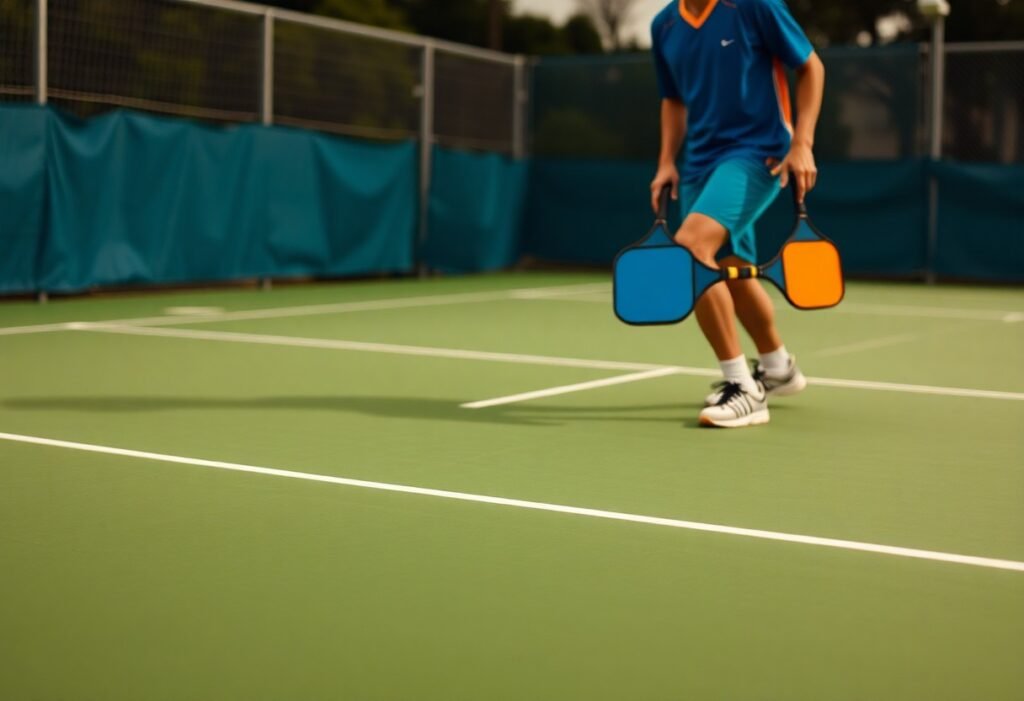

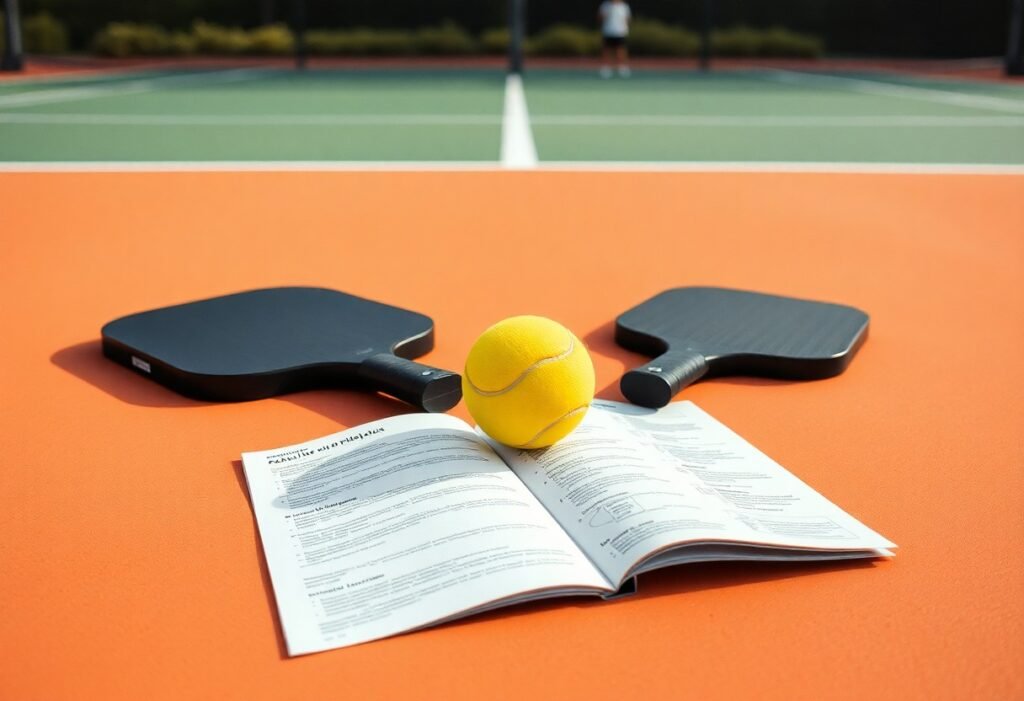
Rules are vital for enjoying and mastering pickleball, a sport that combines elements of tennis, badminton, and ping-pong. In this guide, you’ll discover the key rules that govern the game, helping you navigate through matches with confidence and clarity. Understanding concepts like serving, scoring, and faults will enhance your experience on the court and ensure you play safely and fairly. Dive in to equip yourself with the knowledge you need for successful gameplay and to truly appreciate the fun of pickleball.
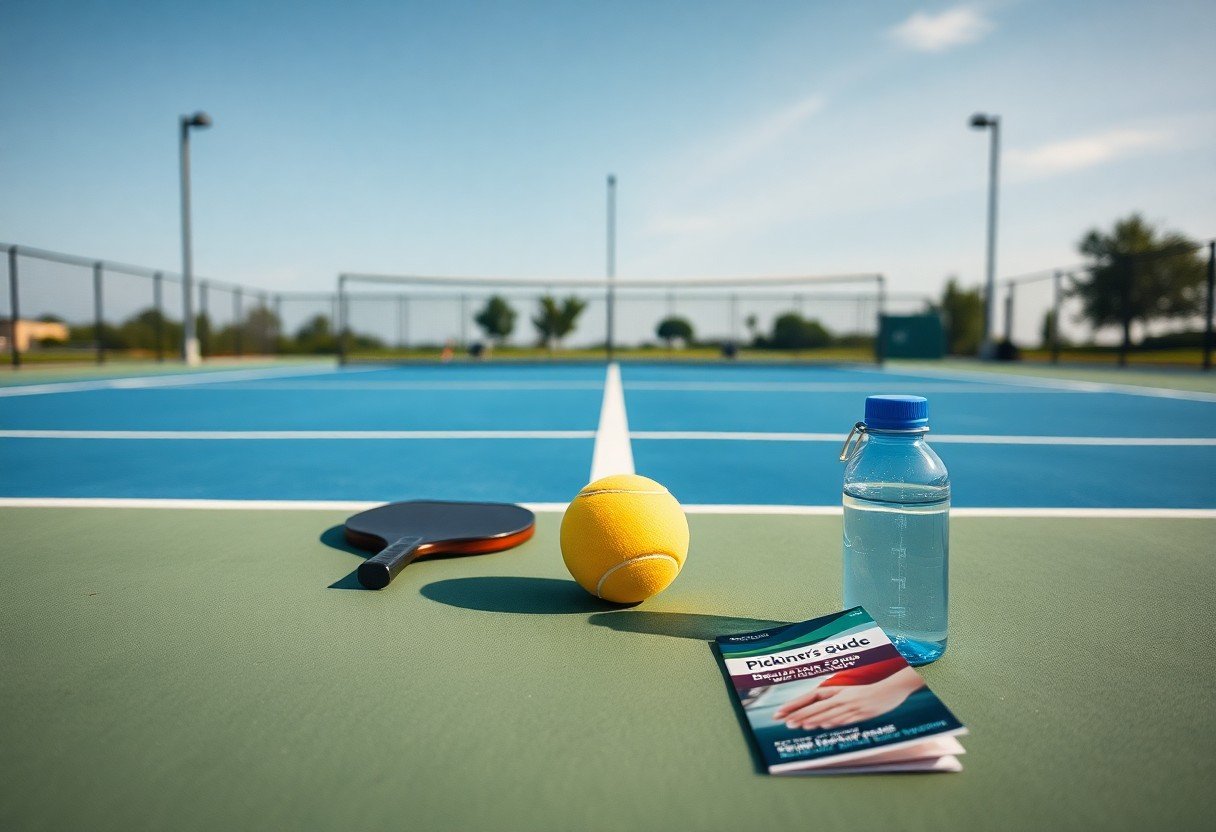
Key Takeaways:
- Games are played to 11 points, and a player must win by at least 2 points.
- Players must serve the ball diagonally across the court and must let the ball bounce once on each side after a serve before volleys are allowed.
- Faults can occur due to hitting the ball out of bounds, not clearing the non-volley zone, or a violation during the serve.
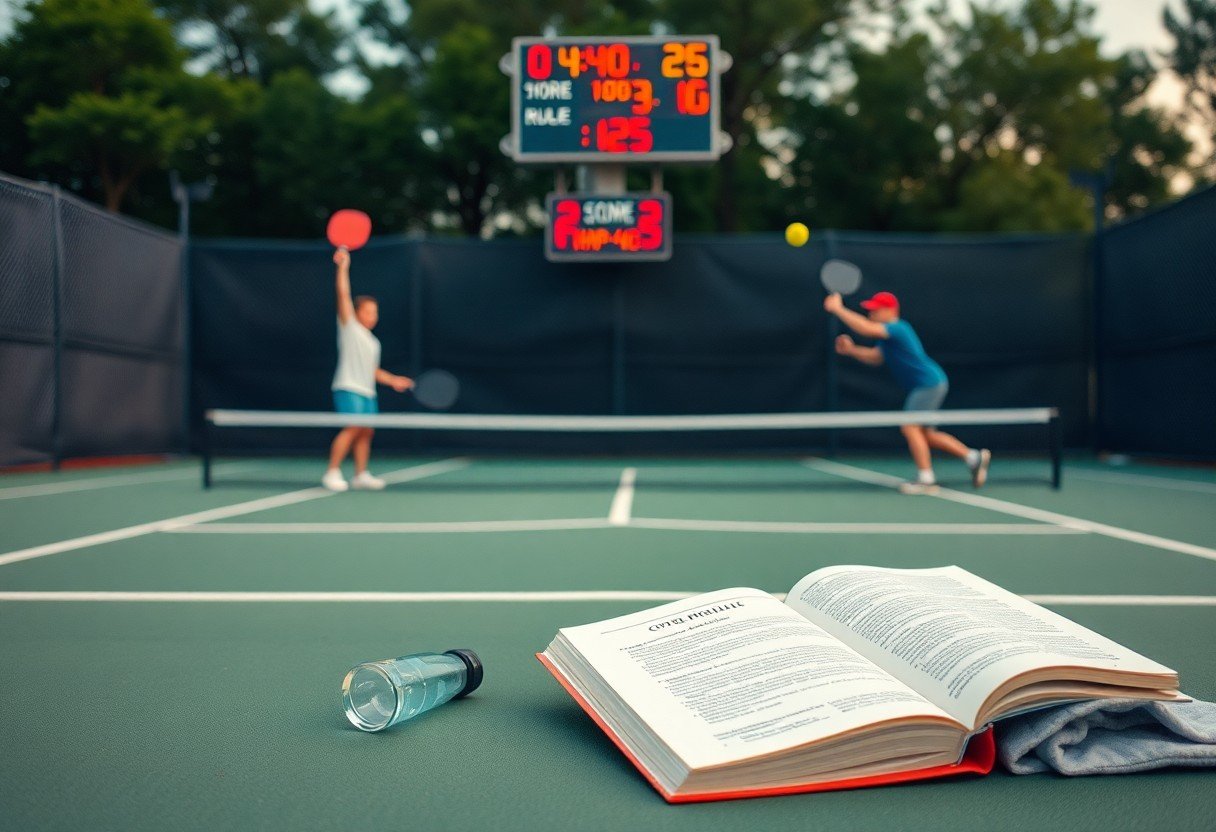
Understanding Pickleball
What is Pickleball?
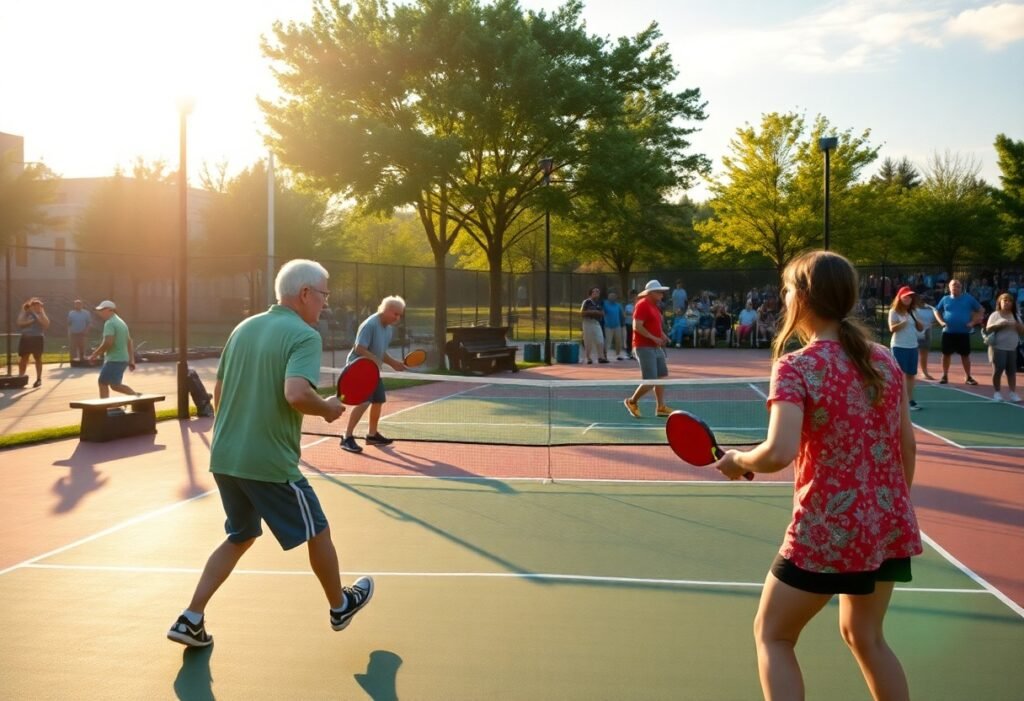
Pickleball is a paddle sport that combines elements of tennis, badminton, and table tennis. You play it on a court with a net, using a plastic ball with holes. The game can be played as singles or doubles, and it emphasizes quick reflexes and strategic shot placement.
History of Pickleball
Pickleball was invented in 1965 by Joel Pritchard, Bill Bell, and Barney McCallum on Bainbridge Island, Washington. Initially, they intended to create a family-friendly game, using makeshift equipment.
As the story goes, the trio designed the game to keep their children entertained during summer breaks. They improvised with a badminton court, a Wiffle ball, and ping-pong paddles, paving the way for a unique sport. By 1972, the first official rules were established, and it has since grown into a popular sport worldwide, attracting players of all ages.
The Appeal of Pickleball
Pickleball’s appeal lies in its accessibility and social nature. You can easily pick up the game, regardless of your athletic background, making it ideal for players of all skill levels.
This sport fosters community and interaction, as games are often played in a casual setting. Its quick learning curve means you can enjoy immediate engagement, while the blend of skill and fun keeps you coming back for more. As a low-impact sport, it’s also easy on the joints, allowing you to stay active without excessive strain.
Types of Pickleball
| Type | Description |
|---|---|
| Indoor Pickleball | Played in a controlled environment, typically in gyms or recreation centers. |
| Outdoor Pickleball | Played in open spaces, commonly on dedicated courts with various surface types. |
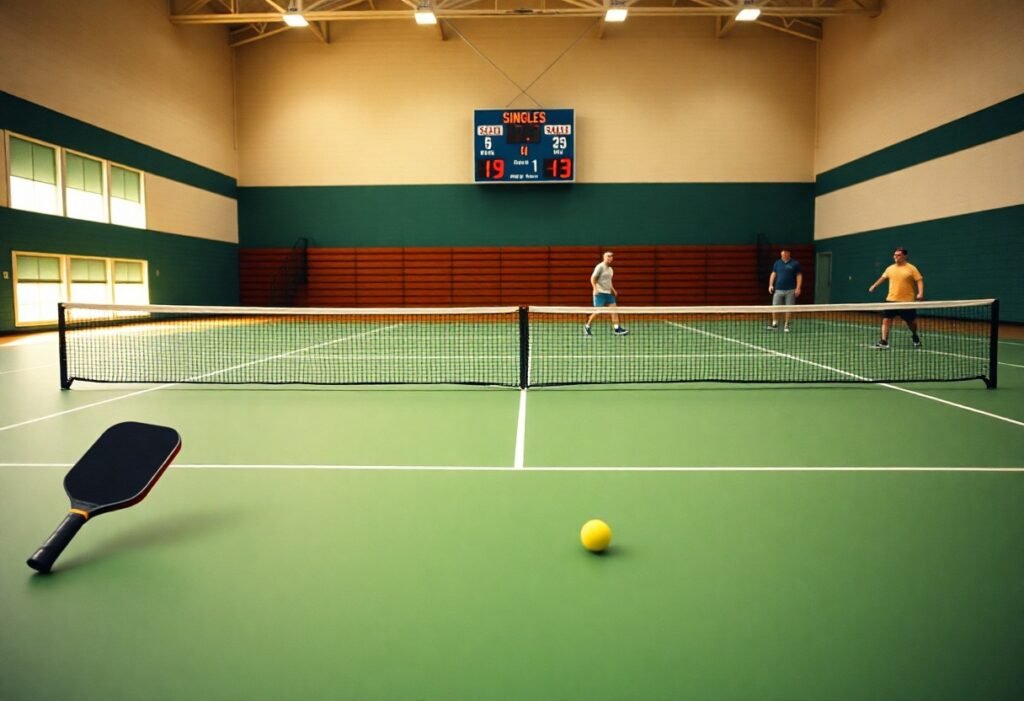
| Singles Play | Two players compete against each other in a one-on-one format. |
| Doubles Play | Four players team up in two pairs, working together to win the match. |
| Recreational Play | Informal games that prioritize enjoyment and social interaction over competition. |
Indoor vs. Outdoor Pickleball
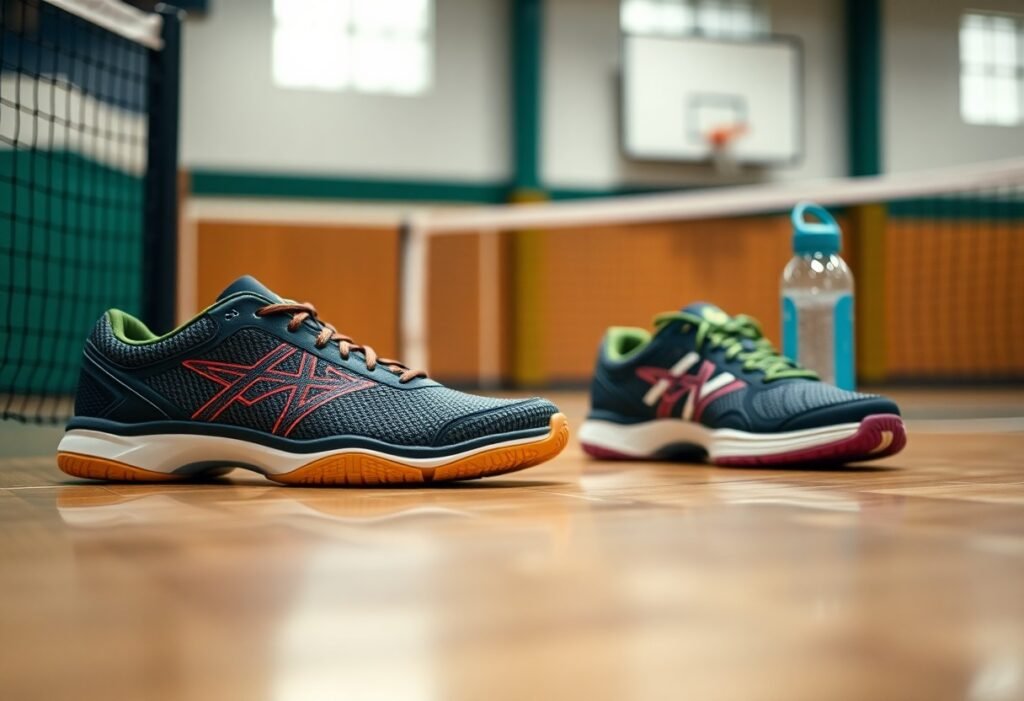
Indoor pickleball offers a consistent playing environment, shielding you from weather conditions like wind and rain. Conversely, outdoor pickleball introduces elements like sun and wind, affecting gameplay dynamics. Choosing your setting will influence your strategy and overall experience.
Singles vs. Doubles Play
In singles play, you face a single opponent, demanding strong stamina and strategic placement. Meanwhile, doubles play involves teamwork and communication with your partner, creating a dynamic approach to gameplay that often allows for quicker rallies and varied strategies.
Singles play can be more physically demanding, as you cover the entire court. You’ll rely heavily on your individual skills and adaptability. In doubles, effective communication and partnership become crucial, as you navigate positions and play off each other’s strengths, leading to strategic plays that are not relevant in singles matches.
Recreational vs. Competitive Play
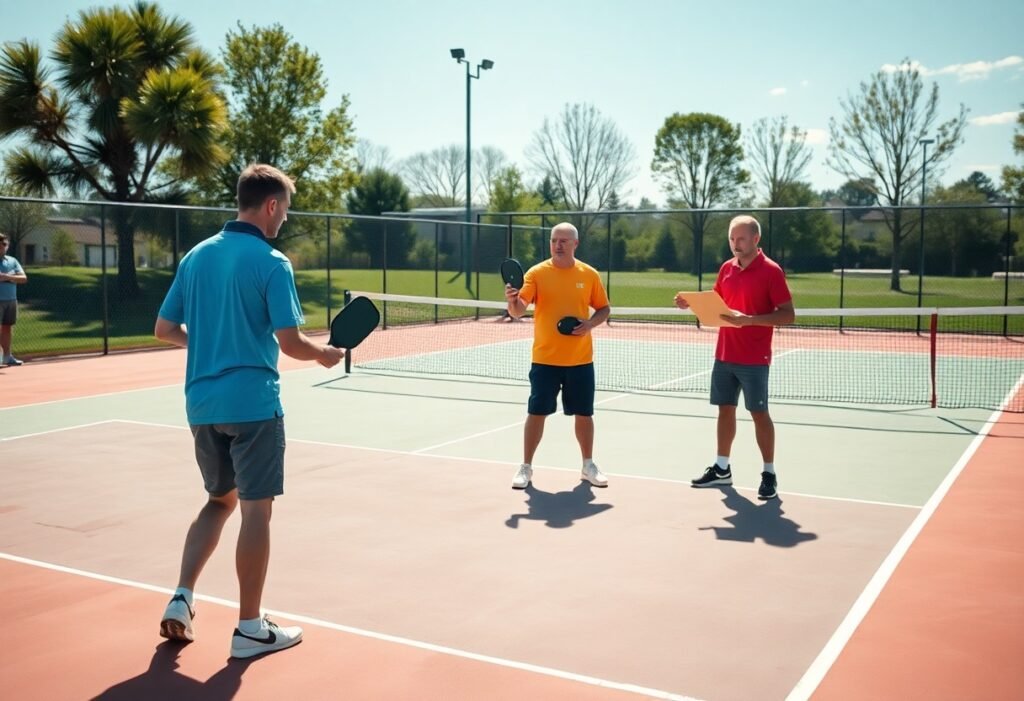
Recreational play is typically casual, focusing on fun, social aspects, and skill development. In contrast, competitive play involves participating in organized events and leagues where strategies and rules are taken more seriously to achieve victory.
When engaging in recreational play, enjoyment and learning take precedence, allowing you to practice and refine your skills without pressure. However, in competitive environments, you must prepare to face prepared opponents, necessitating deeper strategic thinking and refined techniques to enhance your performance under pressure.
After exploring these different types of pickleball, you can determine which suits your interests and playing style best.
Essential Pickleball Rules
Court Dimensions and Layout
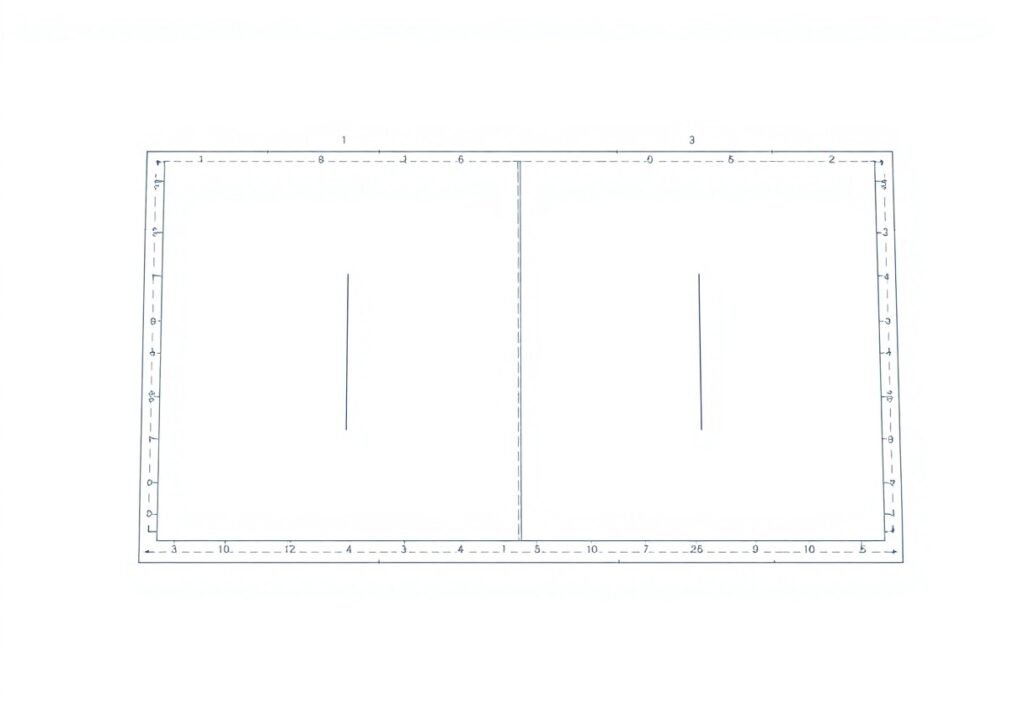
The standard pickleball court measures 20 feet wide and 44 feet long for doubles play, while singles play uses the same width but only 20 feet long. The net height is set at 36 inches at the sidelines and 34 inches in the center. Courts are divided by a centerline and a non-volley zone, known as the kitchen, extending 7 feet from the net on both sides, crucial for effective gameplay.
The Pickleball Equipment
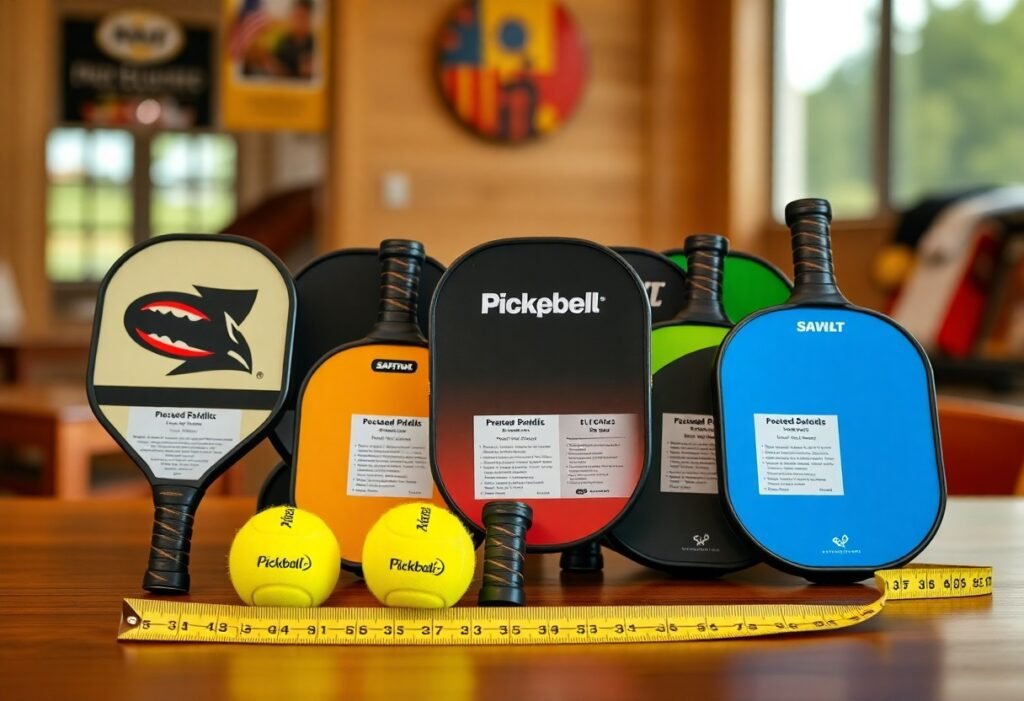
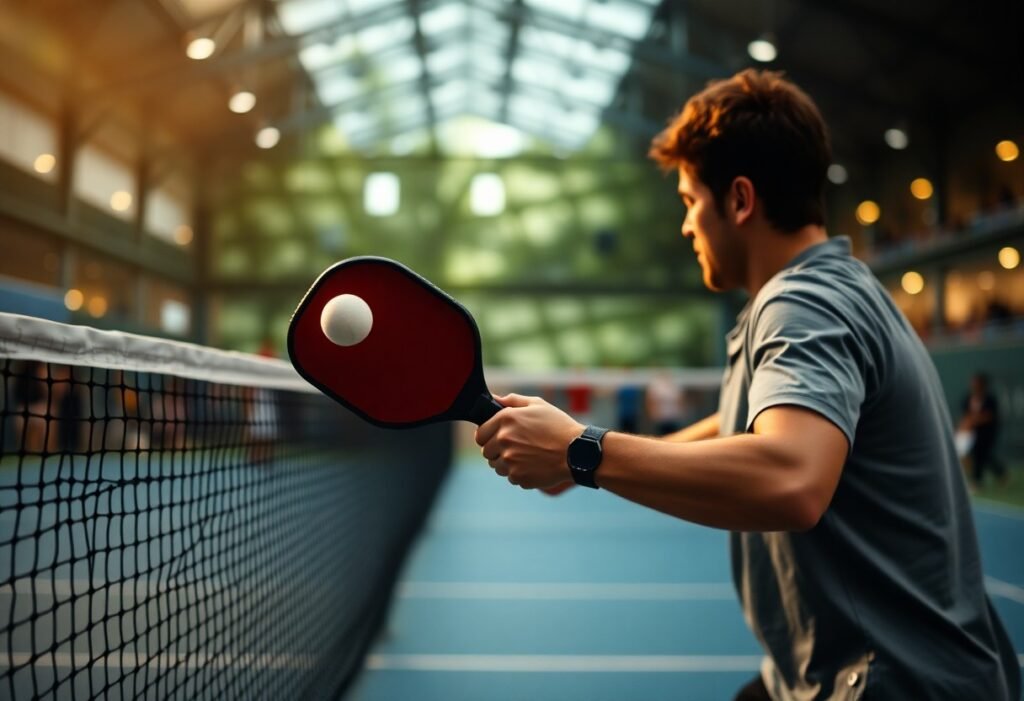
To play pickleball, you’ll need specific equipment: a pickleball paddle and a pickleball, which is similar to a wiffle ball. Paddles come in various sizes and weights, impacting your control and power during play, while balls can differ in outdoor and indoor versions, affecting their bounce and flight.
Paddles range from lightweight to heavier options, catering to different playing styles and experiences. Indoor balls typically have fewer holes for less wind resistance, while outdoor balls have larger holes for better durability against elements. Choosing the right paddle and ball can significantly enhance your game enjoyment and performance.
Basic Game Rules
In pickleball, each game starts with an underhand serve, ensuring the ball clears the net and lands in the appropriate service box. Players switch sides after every game, and a match typically consists of the best two out of three games to 11 points, needing a two-point lead for victory.
During play, both teams must allow the ball to bounce once on each side after the serve, which is important to maintaining a fair and strategic play environment. Additionally, the non-volley zone, or kitchen, prevents players from smashing the ball while in the zone, promoting skillful rallying rather than relying on sheer power.
Scoring System
Pickleball uses a unique scoring system where only the serving side can earn points. Games are played to 11 points, and you must win by at least two points. When the serving team faults, the serve switches to the opposing side, also alternating players in doubles.
In tournaments, games may extend to 15 or 21 points, depending on the rules of the event. Understanding the scoring nuances is vital, as strategies and gameplay can shift dramatically when aiming for points. For instance, players often prioritize smart placement and angle shots over mere power to secure those critical points.
Step-by-Step Guide to Playing Pickleball
| Step | Description |
| 1. Setting Up the Court | Ensure the court dimensions are correct and markings are visible. Always verify net height at 36 inches at the sides and 34 inches in the center. |
| 2. Choosing the Right Equipment | Select paddles and balls designed specifically for pickleball to enhance your gameplay experience. |
| 3. Understanding the Basic Gameplay | Learn the serving rules, scoring, and basic shots to effectively participate in the game. |
| 4. Picking Your Strategy | Formulate offensive and defensive tactics based on your strengths and the dynamics of your opponents. |
Setting Up the Court
To set up the court, ensure you are using regulation size dimensions—20 feet wide and 44 feet long for doubles. Mark the lines clearly, and adjust the net to the proper height of 36 inches at the ends and 34 inches in the middle.
Choosing the Right Equipment
Your choice of paddles and balls significantly affects your performance. Opt for a paddle that feels comfortable and offers a good grip, while ensuring the ball meets standardized specifications for better play quality.
For beginners, lightweight paddles made of composite or aluminum are recommended, typically weighing between 7 to 8.5 ounces. The balls come in indoor and outdoor varieties; indoor balls tend to have larger holes and are softer, which reduces bouncing. Selecting equipment that fits your style will enhance your enjoyment and effectiveness on the court.
Understanding the Basic Gameplay
Gameplay revolves around serving, returning, and positioning. Start by mastering the underhand serve from behind the baseline and aim diagonally into the opponent’s service area. Points are scored only by the serving team, making service strategy crucial.
The basic gameplay involves a sequence of alternating shots where you attempt to outmaneuver your opponent while adhering to the non-volley zone rules. This means you cannot volley the ball (hit it before it bounces) in the area close to the net. Focus on rallying until one team fails to return the ball legally.
Picking Your Strategy
Your strategy should align with your strengths and your partner’s. Consider whether you want to adopt an aggressive style, focusing on quick volleys, or a more defensive approach that emphasizes consistent placing and positioning.
Formulating a strong strategy involves observing your opponents’ weaknesses, such as their response time or court coverage. Use placement and angles to exploit these areas, and communicate effectively with your partner to strengthen your overall team dynamics. Experiment with various strategies during practice sessions to find what works best for you.
Tips for Beginners
- Start playing with a strong understanding of the rules.
- Practice your serves consistently to build confidence.
- Always communicate clearly with your partner during matches.
- Utilize the kitchen area wisely to avoid faults.
- Focus on your footwork for better positioning on the court.
Common Mistakes to Avoid
Avoid hitting the ball too hard; focus on placement instead. Many beginners overestimate their power, leading to errors. Concentrating on your accuracy will yield more successful rallies. Also, don’t neglect the non-volley zone; stepping into it can result in immediate faults. Be patient as you learn the game, and progress will follow.
Techniques for Improving Your Game
To elevate your pickleball skills, prioritize practice drills that focus on your stroke technique and court awareness. Consistent practice of specific shots like the dink and drive can help establish muscle memory. Also, try playing against varied opponents to adapt your strategy.
How to Choose the Right Partner
Selecting the ideal partner can significantly impact your performance. Look for someone whose skills complement yours; if you excel at net play, partner with a player strong in baseline rallies. Effective communication and synergy during play are vital for constructing winning strategies and enjoying the game.
When evaluating potential partners, consider their playing style, experience, and compatibility with your own strengths and weaknesses. A good partner should be open to discussing tactics and reliable during matches. Finding someone who shares your enthusiasm will enhance both your skills and enjoyment of the game.
Factors to Consider in Pickleball
- Age
- Skill Level
- Physical Health
- Weather Conditions
Age and Skill Level
Your age and skill level significantly influence your gameplay experience. Beginners may find it helpful to engage with players of similar skill levels to enhance learning, while older players should consider their physical capabilities when choosing their opponents. This ensures a more enjoyable experience as you adapt to the sport.
Physical Health Considerations
Assess your physical health before submerging into pickleball. Conditions like joint issues or heart concerns should be evaluated, and it’s wise to consult a physician if needed. Ensure you are in a condition that allows for the demands of the game, as this will enhance your performance and enjoyment on the court.
Prioritizing your health can involve strength training, cardiovascular exercise, and flexibility routines to mitigate injuries and enhance endurance. You might also want to learn proper warm-up techniques and cooling down to maintain optimal performance and avoid strain during play. Focusing on your health will lead to a more fulfilling experience in pickleball.
Weather Conditions
Adapt your play according to the weather. Playing in extreme heat or cold can impact your performance and safety. Seeking shelter or changing your playtime can prevent issues arising from unfavorable conditions. Always check the forecast before scheduling your games.
Pros and Cons of Pickleball
| Pros | Cons |
|---|---|
| Easy to learn and play | Potential for injuries |
| Accessible for all ages | Can be expensive to get started |
| Promotes social interaction | Limited court availability in some areas |
| Great cardiovascular exercise | Can lead to overuse injuries |
| Fosters a sense of community | Noise level can be disruptive |
| Can improve hand-eye coordination | Competition can lead to stress |
| Can be played indoors or outdoors | Slower-paced than other racquet sports |
| Encourages teamwork | Requires learning specific rules |
| Increases agility and reflexes | Weather-dependent in outdoor settings |
| Suitable for mixed skill levels | Requires proper equipment for optimal play |
Benefits of Playing Pickleball
Engaging in pickleball offers numerous benefits, including enhanced physical fitness and improved mental health. As a low-impact sport, it’s particularly appealing for individuals of all ages, promoting cardiovascular health and coordination. Furthermore, the game fosters community connections as you meet others who share your interests, making it a great way to socialize while staying active.
Potential Drawbacks
While pickleball has many upsides, there are also some potential drawbacks to consider. Injuries, often from repetitive motions or falls, can occur, particularly in players who may be less active. Additionally, getting started can involve substantial costs related to equipment and court access.
Some common injuries include ankle sprains and tennis elbow, primarily due to the sudden movements involved. The sport’s growing popularity can also lead to increased competition for court time, especially in local parks. Additionally, some beginners may feel overwhelmed by the rules and strategies, which can result in frustration instead of enjoyment.
Pickleball’s Impact on Community and Social Interaction
Pickleball serves as an excellent avenue for community building and creating new social connections. By participating in this sport, you can engage with diverse groups, fostering a welcoming environment. Local clubs and tournaments further enhance these interactions, creating lasting friendships.
The inclusive nature of pickleball allows for players of different backgrounds and skill levels to come together. As communities establish leagues or recreational programs, they often forge strong bonds, leading to an increased sense of belonging and support amongst participants. This not only enriches social lives but also promotes a culture of health and positivity in the community.
To wrap up
Summing up, understanding pickleball rules is necessary as you initiate on your journey in this engaging sport. You now have a simplified guide that covers the key aspects of gameplay, scoring, and court etiquette. With this knowledge, you can confidently participate in games and enjoy the social aspects of pickleball. Embrace these rules, and you’ll enhance your overall experience while developing your skills and strategy on the court.
FAQ
Q: What is the basic objective of pickleball?
A: The objective of pickleball is to score points by hitting a ball over a net and into the opponent’s court, with the goal of making it unreturnable.
Q: How do you serve in pickleball?
A: The serve must be made underhand, with contact below the waist, and the ball must clear the non-volley zone. The server must stand behind the baseline and serve diagonally to the opposite service court.
Q: What is the non-volley zone, and why is it important?
A: The non-volley zone, also known as the kitchen, is a 7-foot area on either side of the net where players cannot volley the ball. This rule encourages strategic play and keeps players from dominating at the net.
Q: How is scoring handled in pickleball?
A: Only the serving team can score points. A point is gained when the opposing team fails to return the ball, and the game is typically played to 11, 15, or 21 points, depending on the agreed-upon rules.
Q: What are the rules regarding player positioning during play?
A: Players must remain in their designated areas unless the ball has been hit and then may move freely. In doubles, teammates should coordinate to cover the court effectively, and both must wait for the ball to bounce before entering the non-volley zone on their first return.